Bernard O'Shea: Five things I learned when I went clothes shopping with a 42-inch waist
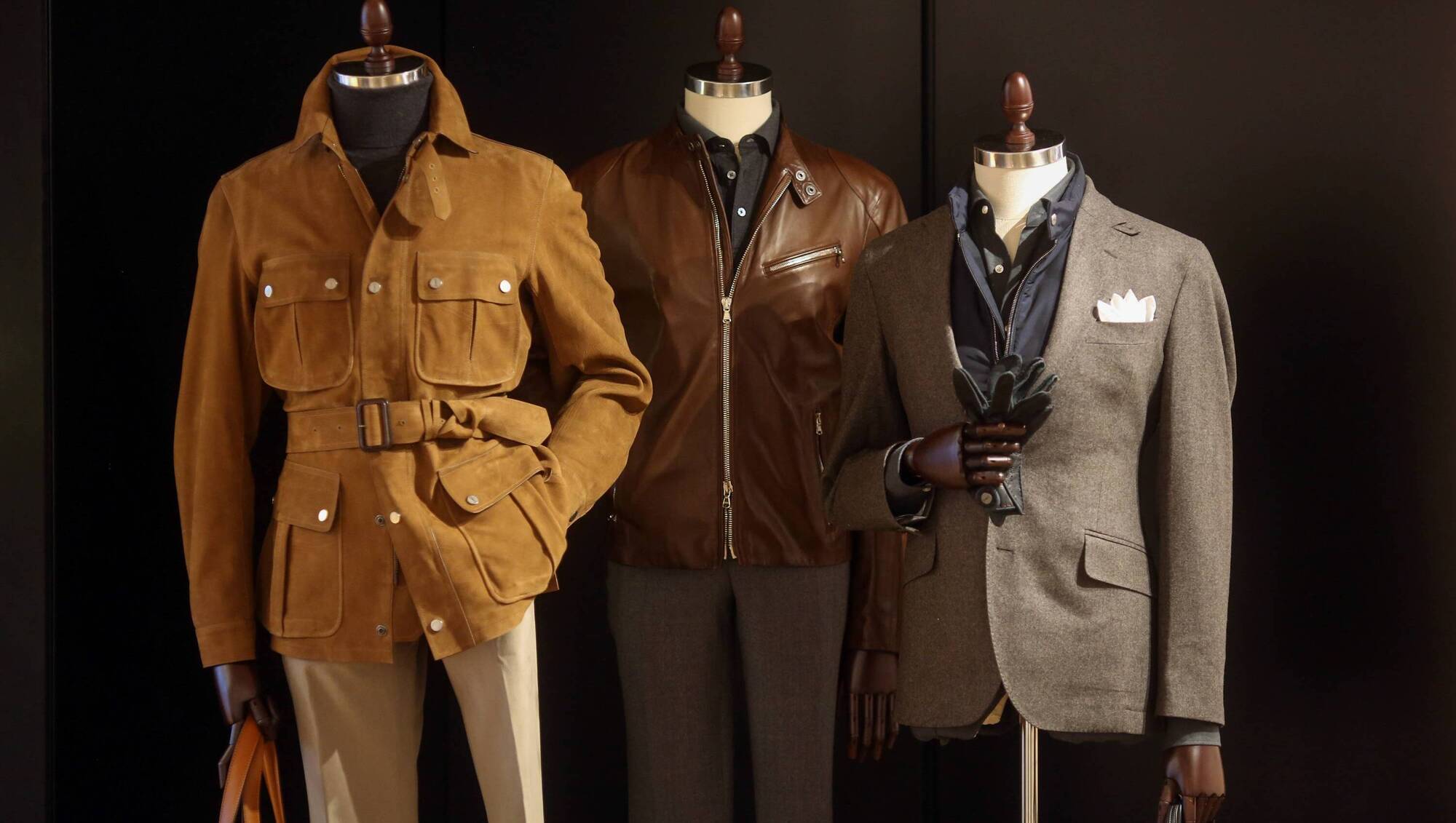
'Fashion doesn’t just sell clothes — it sells aspiration. The mannequins aren’t built like me.' Picture: Chris Ratcliffe/Bloomberg

What I didn’t realise is once you get to a certain weight, it’s hard to find your size. You become slightly invisible. The clothes you might actually want to wear seem to exist right up to a certain size and then politely stop.
In my head, this is a conspiracy. In reality, it’s something much more efficient than that.
Fashion doesn’t just sell clothes — it sells aspiration. The mannequins aren’t built like me. The lads in the posters aren’t standing there after a chicken fillet roll and a long day. They’re the version of the customer the brand wants to be associated with.
You can feel that in the fit. The jeans aren’t designed for you — they’ve been adjusted for you. There’s a difference, and your body knows it immediately.
I used to think there was a meeting, somewhere, where they decided men like me didn’t deserve nice trousers. There isn’t. There’s a spreadsheet. Shops use a size curve, which is basically a prediction of which sizes will sell the fastest. They stock heavily where demand is predictable and lighter where it’s not.
And here’s the uncomfortable bit: Once you go over a certain size, you become harder to predict. You might buy one pair. You might try five and end up leaving with nothing. You might order three online and send two back. From a business point of view, you’re riskier. So the rails reflect that: There’s less stock and fewer options. But there’s more ‘available online’. It’s not personal. It just feels that way when you’re standing there holding a pair of trousers that stopped existing one size before you.
This is the bit no one says out loud. Larger clothes aren’t just scaled-up versions of smaller ones. They use more fabric, they hang differently, and they require different cuts to sit properly on the body.
Too many brands choose the second option. Which is why you’ll often find your size, just not in the style you actually want.
Once you hit a certain size, the mood changes. You’re no longer being dressed — you’re being managed. Everything becomes navy, black, relaxed fit, comfort waist. It’s less ‘this will look good on you’ and more ‘this will not draw attention to you’.
There’s very little sense you might want to look sharp, modern, or stylish. You’re being clothed, not styled. And, after a while, you start to internalise that.
You stop looking for nice things and start looking for things that simply fit. That’s the real loss.
This is the one that really gets me. Up to about a 36-inch waist, you’re fully part of the shop-floor experience. Everything is there — choice, colour, options. Beyond that, things thin out. By the time you’re past that, you’re often hearing it might be available online, that it’s not in this store, that the size goes very quickly.
There’s a piece of advice I got recently that I keep coming back to: Don’t wait until you’re the ‘right size’ to wear nice clothes. Because that’s what starts to happen. You begin dressing like a person on the run, as if your real life and real wardrobe will begin later. But life isn’t later. It’s now.
It’s school runs, nights out, gigs, holidays, all of it happening in the body you currently have.
So, yes, I’ll try to lose a bit of weight. The Monday version of me will continue to arrive full of plans and good intentions. But, in the meantime, I’m not waiting to qualify for decent clothes, even if it means standing in a changing room, slightly out of breath, negotiating with a pair of jeans that were clearly never designed with me in mind. At least I’m in the room, which, at this stage, feels like a win.


CONNECT WITH US TODAY



Be the first to know the latest news and updates