Vitamin D: Why the sunshine vitamin needs a winter spotlight
The HSE recommends a daily vitamin D supplement from October 31 to March 17. Picture: iStock
As winter approaches and the days get darker, our bodies may be suffering more than we realise.
We need sunlight on our skin to produce vital vitamin D, which is important for bone and muscle health and immune function, but there’s just not enough strength in the sun at this time of year to do it.
Vitamin D deficiency can cause a whole host of insidious health problems — you may not be aware of them for a long time, but your body functions much better with the right amount of vitamin D, experts stress.
“If you’re having lots of good veg, fruit, etc, you can get the majority of your vitamins,” says GP Henrik Premasundaram.
“But with vitamin D, you simply can’t, because the main production is from the sun. Vitamin D is essential for healthy bones, muscles, and normal immune function, and if you’re deficient, it can lead to things like tiredness, and it can affect your mood.”
As Bridget Benelam, a nutrition scientist, explains: “Vitamin D is unique among the essential vitamins because our main source is from sunlight, not the foods and drinks we consume. Sunlight on our skin triggers a vital chemical reaction, allowing the body to produce vitamin D.
“During the summer, short periods of sunlight exposure are enough for most people to make vitamin D. But from October to March, the sunlight isn’t strong enough to make vitamin D, and the body relies on stores built up during the summer and on dietary sources of vitamin D.”
She says if the body is lacking in the vitamin, there may be effects that people don’t realise are linked to vitamin deficiency.
“Low levels over time can lead to bone pain, muscle weakness, and an increased risk of falls in older adults.”
In children, severe deficiency can result in rickets, while in adults it can cause osteomalacia, a condition that leads to soft, weak bones.
In addition, a 2023 study by the universities of Exeter and Calgary of more than 12,000 people, some of whom took vitamin D supplements and some who didn’t, found 40% fewer dementia diagnoses in the supplement-taking group. But what’s the best way of getting enough vitamin D, particularly during Irish dark and dreary winters?
The exact amount of sunlight needed to get enough vitamin D varies, says Benelam, depending on factors such as skin type, age, clothing and weather conditions.
Premasundaram says: “Most people can maintain their vitamin D levels through sunlight, especially during the spring and summer, but definitely not through the autumn and winter, just because of the way the UVB rays come through — they’re essentially just too low because of either the clouds or the sun exposure.
“Even on a sunny day in autumn and winter you just won’t get enough vitamin D from the sun.”
He points out getting sunlight just on your face is unlikely to produce the required amount of vitamin D.
“It’s not necessarily just sunlight on your face that’s enough,” he explains. “You actually need a bigger surface area, so it’s quite hard to get the amount you really need simply from sun exposure.”
It is possible to get some vitamin D from your diet, but you’re unlikely to be able to get enough, and because so little can be produced through sunlight on the skin in the autumn and winter, supplementation is advised for both adults and children.
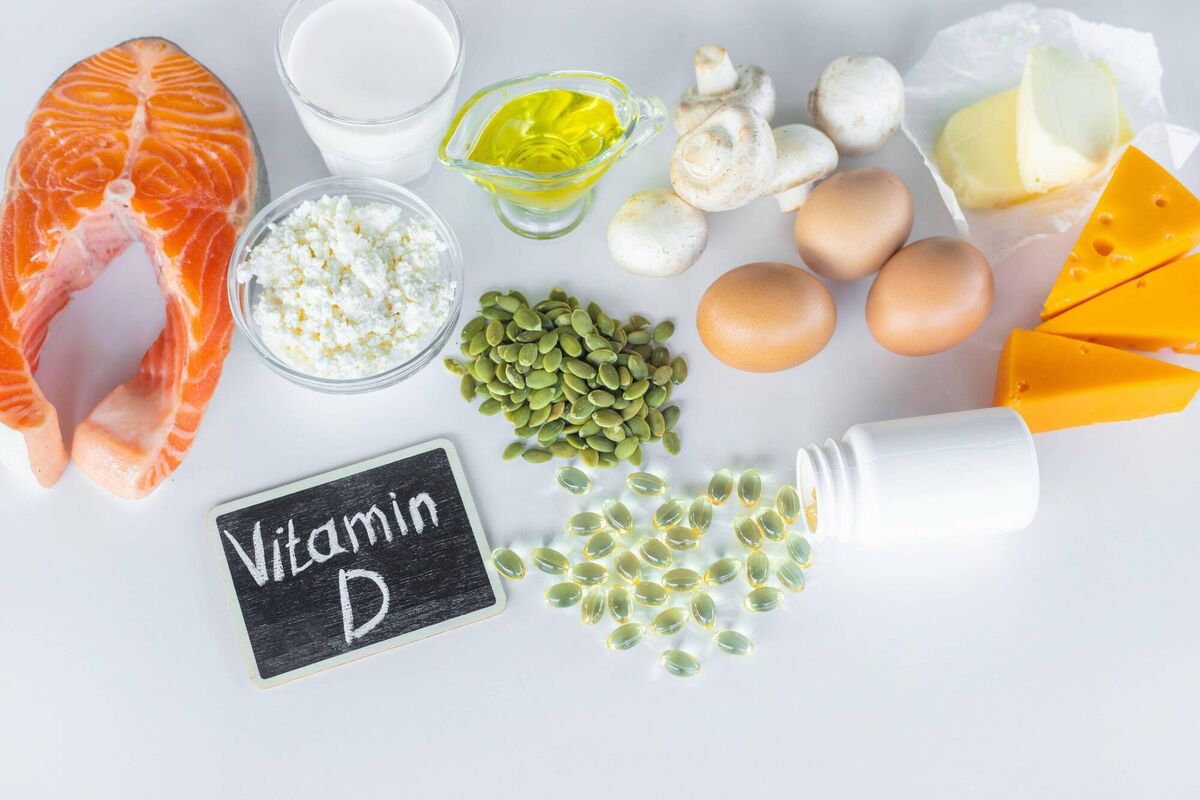
Benelam says: “There aren’t many good sources of vitamin D in the diet — oily fish such as salmon, mackerel and sardines provide the most, and you can also get vitamin D from eggs, fortified cereals and fat spreads, plus vitamin D-enriched mushrooms.”
She says a 140g portion of baked salmon provides about 10 micrograms of vitamin D, a 30g portion of fortified cereal about 1.4 micrograms, one egg provides about 1.6 micrograms and an 80g portion of enriched mushrooms 3.2 micrograms.
“While it’s possible to get some vitamin D from food, it can be difficult to achieve the recommended intake through diet alone,” she explains, “because relatively few foods naturally contain significant amounts.”
Premasundaram adds: “It’s really, really hard to get enough vitamin D from diet alone, so in the winter months we’d encourage people to take a supplement — it’s just an easy way of getting your daily vitamin D requirement. It’s important.”
The HSE recommends a daily vitamin D supplement from October 31 to March 17 in the following doses: Children aged one to four should take 5 micrograms; children aged five to 12 should take 10 micrograms, and people aged 13 to 64 should take 15 micrograms. Those aged over 65 should take 15 micrograms of vitamin D daily throughout the year.
Benelam points out that people with darker skin, those who cover their skin for religious or cultural reasons, and those who don’t get outside regularly, are at higher risk of vitamin D deficiency, so it’s recommended that they take a vitamin D supplement all year round.
Benelam says a daily supplement is “a simple and inexpensive way to help maintain adequate vitamin D levels when sunlight exposure is limited.”
But if people do start taking vitamin D supplements, are they likely to notice a difference in how they feel?
“It can even help with moods and help people feel more energetic,” says Premasundaram.
“I take vitamin D regularly, and I feel a lot better — I feel less tired. Is it a placebo? Maybe a small percentage of that, but I think it definitely has a good impact on patients’ wellbeing.”
CONNECT WITH US TODAY



Be the first to know the latest news and updates