Joanna Fortune: How can I explain different family budgets to my kids?
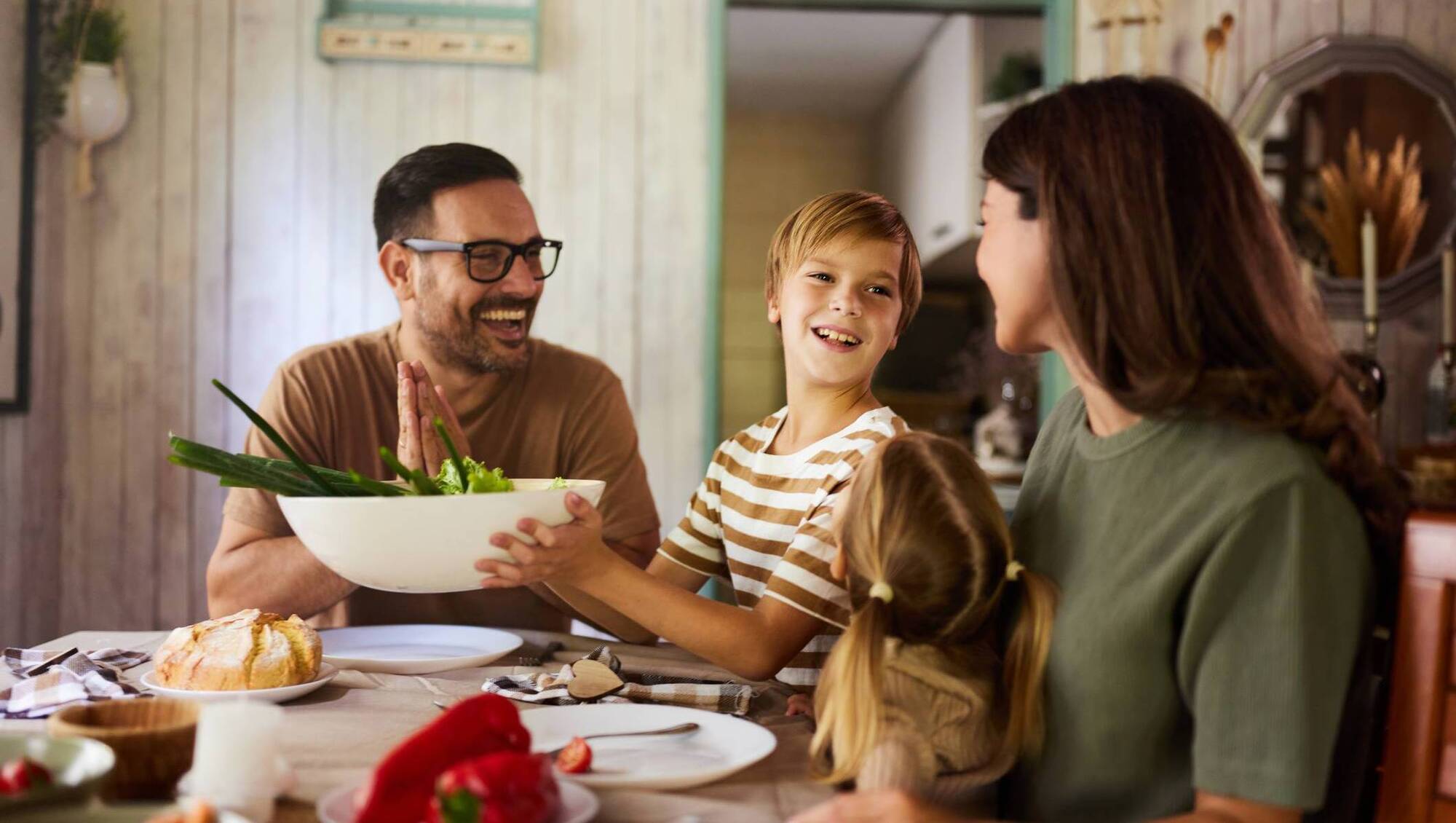
As they get older (into the tween years), you can introduce concepts like budgets. Picture: iStock
This will likely lead to a conversation about the difference between “needs” and “wants”. Think along the lines of: “You might want that designer top but you have lots of tops so you do not need it. And you might want new runners but your sister needs a pair right now; you will get a pair when you need them”.
Depending on how old they are, keep explanations short and practical so they can relate to what you are saying. When children are very young, your explanations should be simple. For example, you can say: “Different families choose to spend their money in different ways. In our family, we make sure everyone has what they need and gets to be safe and have fun.”
As they get older (into the tween years), you can introduce concepts like budgets and say that your two families live with different types of budgets and that in your family you make sure that everyone gets what they need and enjoys a holiday while staying within your family budget.
Once they hit adolescence, you can shift the emphasis to how having more or less money/responsibilities affects spending. Share this in a tone that highlights how happy your family are, how you’ve always made sure that they have fun travel experiences, and that they all have their needs met.
Children are never too young to develop awareness and understanding of saving. Having a family savings jar can help them learn that forgoing smaller treats right now and putting money into the jar enables them to enjoy a bigger treat later as a family.
Similarly, having a “sharing jar” at home where everyone contributes a few coins so that you can buy something for someone else is a good way to introduce the concept of donating and thinking of others. Children are never too young to begin to learn about good financial responsibility.
Find ways to celebrate the way you eat while on holidays. It sounds like you self-cater your evening meals and you can make this fun by creating some menus and assigning them tasks such as seating the other family members and taking their orders to bring to you in the kitchen. You can rotate who is a guest and who is staff of your at-home restaurant. Let them be part of the prep and clear up too.
While you all sit at the table together, play some family games. Think of simple card games and word games such as: “I went on a picnic and I brought...” Then each person adds an item in rotation, the challenge being to remember the full list. You could also play a story game whereby you start a story and say “and then...”, which hands the story to the next person.
Take turns to share the highlights of your day and what you are each looking forward to the next day. End each family dinner by raising your glasses and doing a “cheers to us”. If you keep focusing on your own family fun, so will your children.
- If you have a question for child psychotherapist Dr Joanna Fortune, please send it to parenting@examiner.ie or use the form below