Dr Phil Kieran: Should I take my 13-year-old to our GP for her painful periods?
From the symptoms you describe, it sounds more like dysmenorrhoea rather than endometriosis
Dr Phil Kieran: Should I take my 13-year-old to our GP for her painful periods?

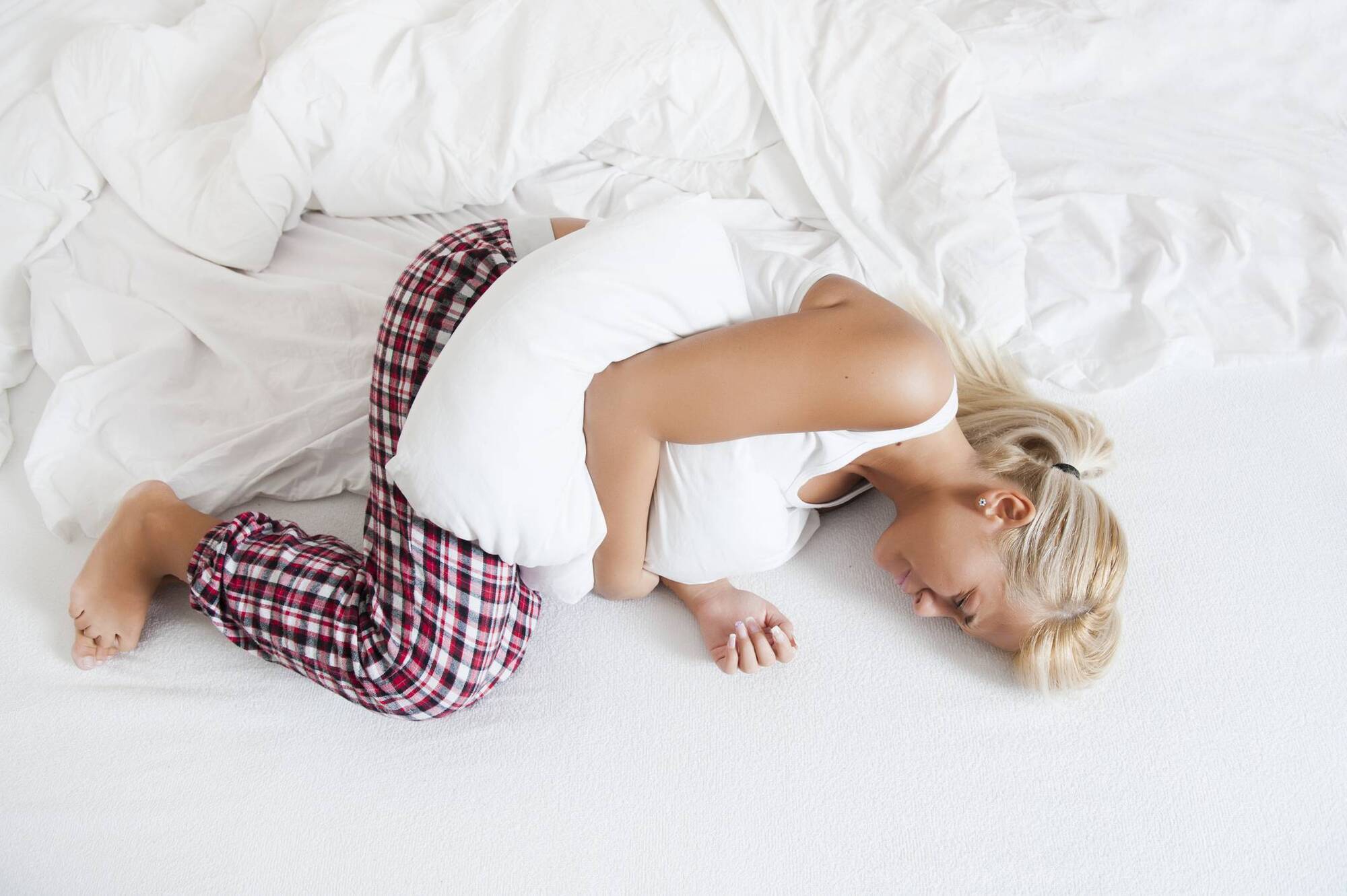
Research shows that up to 90% of women have pain during their periods, and that a significant number will need to take medication to help manage it. Picture: iStock 

My 13-year-old’s periods have become increasingly painful to the point where she is doubled over. Nurofen helps to dull the pain. She is also complaining of clotting. I’m worried that it could be endometriosis. Should I wait until she’s older in case her periods settle down or take her to see the GP?

Painful periods are, unfortunately, very common but that doesn’t mean there is nothing that can be done or that you should just be told to suffer in silence.

Research shows that up to 90% of women have pain during their periods, and that a significant number will need to take medication to help manage it. 

This pain can occur at any stage during a woman’s life but is more common when she is younger. It’s partly because the hormonal cycle can take five years to settle into its “normal” state after the first period.

For many, period pain can be managed with non-medication interventions such as gentle exercise, hot water bottles, or a bath. Over-the-counter pain-relieving medication such as paracetamol and ibuprofen can also be effective for some.

If your daughter’s severe period pain has only happened once or twice and seems to have settled down, there should be no need to take further action. 

However, if the symptoms are worsening and causing difficulty with normal activities such as school, socialising, and sport, it is time to make an appointment with her GP for a detailed look at what can be done to help.

From the symptoms you describe, it sounds more like dysmenorrhoea rather than endometriosis, and certainly this would be where I would start from in my investigations or treatment.

Endometriosis can be difficult to diagnose and, as such, I would always keep it in mind when seeing a patient with symptoms such as these.

GP visit

The GP will likely take a detailed history, including details around when her first period was and how frequent or heavy they are (how many pads or tampons and how frequently they are changed). 

A physical examination may be necessary, and if all of this is normal, the first treatment option may be to offer stronger or more specific pain relief medication. We sometimes prescribe different anti-inflammatories to help with painful periods.

In some cases, where the pain relief isn’t helping, we will discuss the role of hormonal contraception. This approach is something we often use to help with period issues, even when there is no need for it from a contraception viewpoint. 

Certain contraceptives, such as the progesterone-only ones, can help by keeping the lining of the uterus thinner, making periods lighter and hopefully less painful.

Frequently, when we use contraceptives on a short-term basis, the pain is gone when the patient stops taking the medication.

A few years of the hormonal system maturing can go a long way to improving the symptoms.

  • If you have a question for Dr Phil Kieran, please send it to

x

More in this section

Cookie Policy Privacy Policy Brand Safety FAQ Help Contact Us Terms and Conditions

© Examiner Echo Group Limited