Could one of your children be a favourite?

You love all of your kids deeply, but may feel closer to one. Instead of feeling ashamed, be more attentive to all of them, writes Helen O'Callaghan
Could one of your children be a favourite?

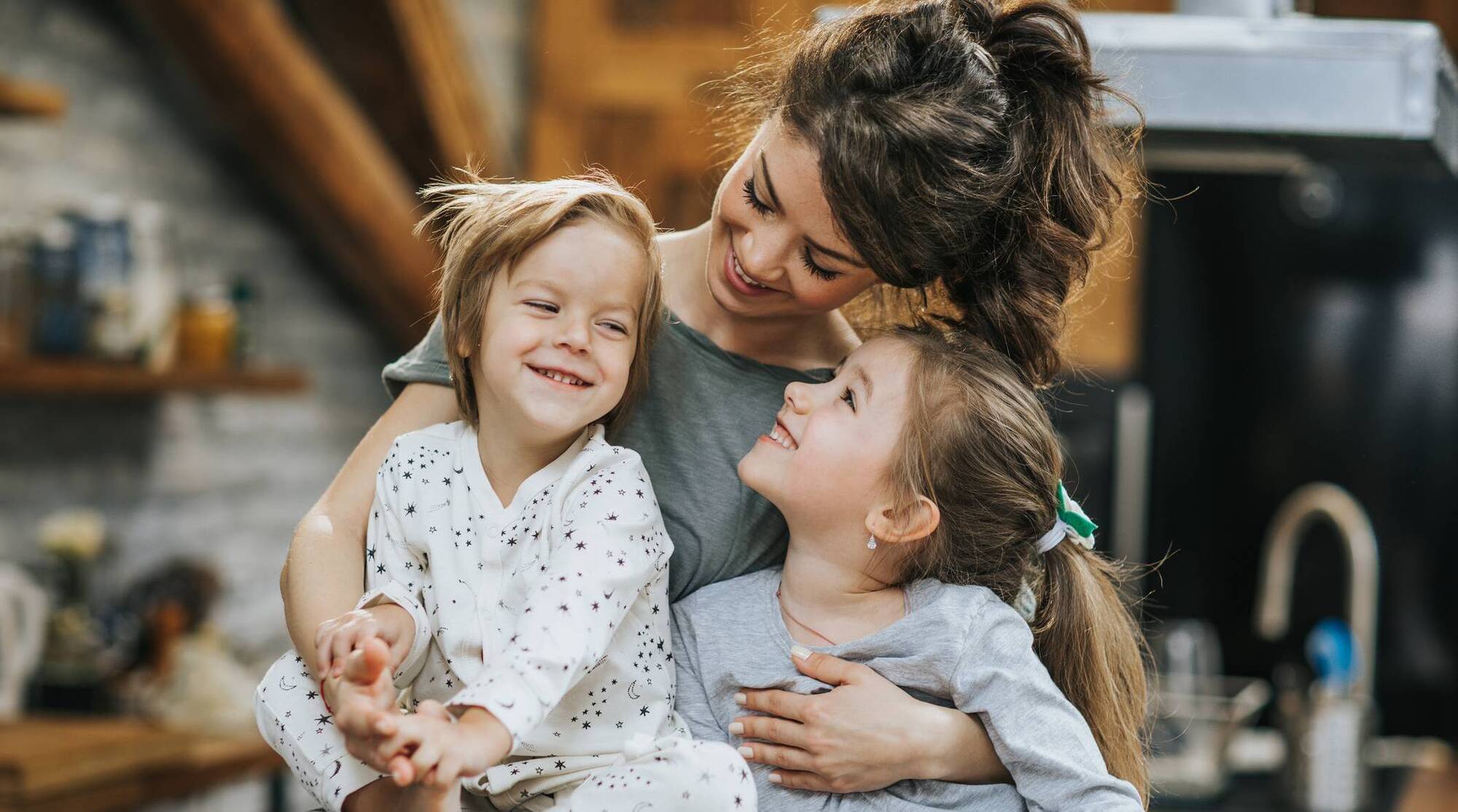
Favouritism isn’t always about how parents give attention, but how children feel.  Picture: iStock

MANY parents have favourites, even if it’s a taboo to say so. We have all heard someone say, "My younger brother was always the favourite", or, "My sister could do no wrong". We might even have said it ourselves, "They always took his side".

Child and adolescent psychotherapist Cathy O’Byrne has never heard a parent say they have a favourite child: “It’s an uncomfortable idea for parents. We all know we’re not meant to be comparing, but everybody does, whether we’re comparing ourselves with another, or one child with another.

“I don’t think parents choose to treat children differently, but they can exhibit signs of differential treatment, though it may often be unconscious,” she says.

Child-and-adolescent psychotherapist Denise Enright says the idea of a preferred child is difficult to sit with. “Parents don’t want to have a favourite.”

But favouritism is more common than we might think. Sociologist Katherine Conger, for example, studied 384 sibling pairs and found 74% of mums and 70% of dads showed preferential treatment toward one child. 

And research led by sociologist Karl Pillemer reported that about 70% of mothers could identify a child to whom they felt closer or who more closely shared their values.

Enright suggests that parents reframe ‘favouring’ a child to experience each child differently. That way parents won’t feel “blamed and shamed”. “We can love all our children so deeply, but we can experience them differently. That’s normal.”

Relationships with children can feel different at different stages and some interactions may require more energy, Enright says. “When a relationship feels easier, it can allow for more relaxed, positive exchanges. Where interactions are more challenging, parents may [feel] depleted or reactive.”

What’s important, she says, is having our children “feel valued by parents for who they each are”.

A sense of injustice

While parents might feel embarrassed or guilty about preferring one child over another, O’Byrne recommends treating the idea with curiosity and as an invitation to reflect more deeply on how you are relating to your children. 

“Be curious about what’s making it easier to get along with one more than another. As a parent, I’d be working to support the connection with the child who isn’t getting as much [attention]. What might they want from me so they feel seen, heard, understood, and supported by me?”

Most parents intend to be fair, Enright says. “Favouritism isn’t always found in what parents do, but in how children feel within the relationship. Parents may work hard to be fair in their actions, ensuring each child receives the same in practical ways, yet still find themselves leaning, often unconsciously, towards one child.”

Such differences show up in small, everyday interactions: A bit more affection, more time spent together, a parent speaking about one child with delight and another with frustration.
Enright says: “A teenager might be spoken of as irritating, a younger child as delightful. Both children pick this up, yet it’s never usually that the parents love one child more than the other. Sometimes, parents aren’t actually being unfair, but children perceive it that way.”

O’Byrne says it can make sense for parents to be more accommodating of a particular child, but this may not always be understood by his or her siblings. 

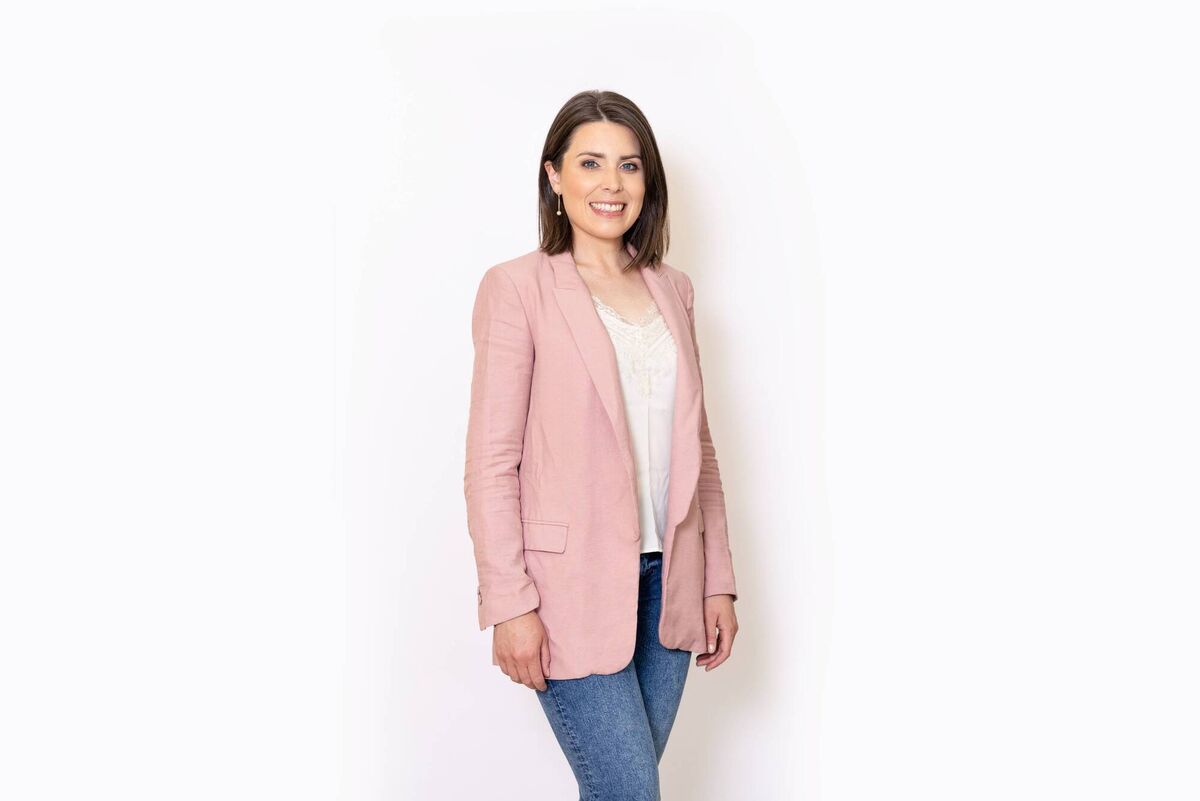
Denise Enright: 'Parents naturally respond to the unique needs, temperament, and stage of each child.'

“A really young child shouldn’t be expected to do the same chores as an older one, or be able to manage their feelings and impulse control in the same way. Or a child with additional needs may need extra supports around regulation and behaviour.

“Different children will need different levels of support and accommodation and other children may see this as unfair to them.”

Enright agrees, saying we must distinguish favouritism from necessary, appropriate differences in parenting. 

“Parents naturally respond to the unique needs, temperament, and stage of each child. A baby requires a different level of care than an older child. A child who’s unwell may need more attention, an anxious child more reassurance, while another may need clearer boundaries.

“These differences are part of responsive parenting. They don’t in themselves reflect favouritism. However, without explanation, they can sometimes be perceived that way by other children.”
To support a sense of security within the child-parent relationship, Enright recommends helping children understand, in an age-appropriate way, why a parent is responding differently.

In O’Byrne’s experience, parents want to treat all their children with balance, equity, and fairness. But whether actual or perceived, parental favouritism can affect both the child receiving preferential treatment and the one who isn’t. 

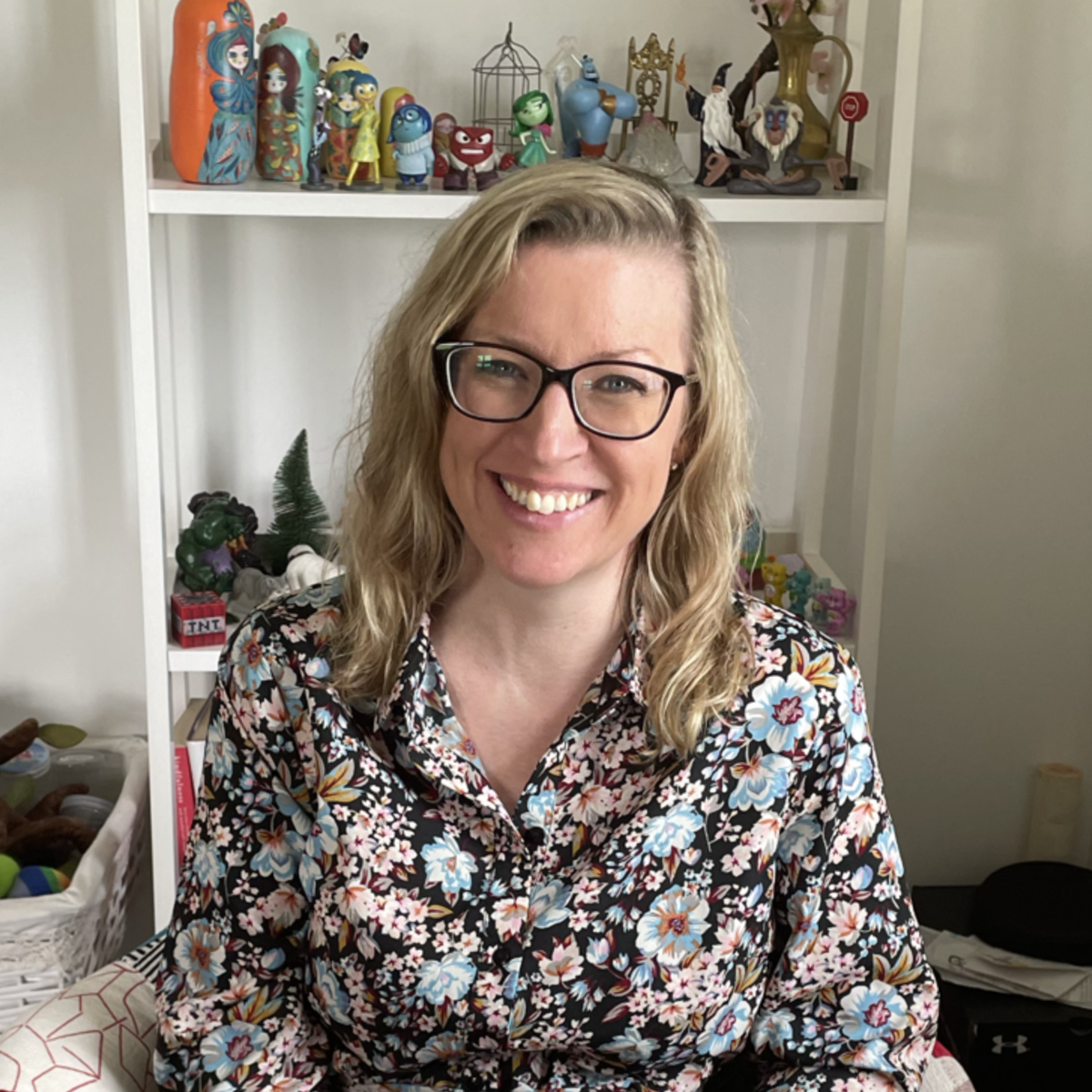
Cathy O'Bryne: 'Be curious about what’s making it easier to get along with one more than another.'

“Being the favourite can feel quite uncomfortable and lonely; you can be on the edge of sibling relationships.

“Feeling you’re not being treated equitably can breed resentment and a sense of injustice. A child can feel really hurt and angry about it.”

What to do if you have a favourite child or children who perceive you do:

1. Talking can clear the air, says Enright. “Parents [make observations] like, ‘Oh, she’s so like her father — they’re always fighting’. 

The dad might seem hard to the daughter, or she might perceive he doesn’t like her, whereas he’s just irritated by seeing stuff in her that he doesn’t like in himself.” Naming such a dynamic can be helpful.

2. O’Byrne says a parent can sometimes share interests, outlook, or energy with one child, but not with another. “If you’re a laid-back parent and you have one child like that, but another’s high-energy — you’re not in sync with their nervous system — that can be challenging. But you just need other ways to connect with the high-energy child.”

3. Avoid making unintentionally-damaging comments, like: ‘Why can’t you be more like your brother?’ Or letting one child hear how ‘good’ another is, while saying nothing positive about them.

4. Be aware that a child, in trying to have their need for connection met, may pick more squabbles with their siblings, says O’Byrne.

“Parents might react, reject, or ignore the behaviour, saying, ‘He’s just looking for attention’. He’s not — he’s looking for support. Sometimes, the children who are more ‘difficult’ and challenging for us are the ones who need us to step towards them a lot more.”

5. Manage your responses to sibling conflict, says O’Byrne. “A common parental pitfall is to step in as judge and jury in your children’s sibling relationships.”

Rather than swooping in to fix, she recommends tuning in and supporting your children to get along better, rather than deciding one child’s right and the other’s wrong.

“If you find you’re consistently taking one child’s side, get another perspective on this, so you’re able to let all your children know you can see it from their perspective.”

6. Give each child pockets of one-to-one quality time. “Even just five or 10 minutes a day has the powerful effect of filling the child’s cup and giving them what they need from the parent,” says O’Byrne.

The micro-moments when the child feels seen and heard by the parent add up, says Enright.

7. Be interested in what interests your child.

“Even if for five minutes while dinner’s cooking. Be interested because they are,” says Enright.

We can all lean towards bias or preference — it’s how we’re wired. “It’s really common,” says O’Byrne. “I wouldn’t want parents to feel guilt or shame, but, instead, see it as an invitation to be curious, to reflect, and have compassion.”

For Enright, differences in how we interact with our children are often not intentional, but they can influence how each child experiences their place in the family.

Enright says: “Becoming aware of these patterns isn’t about blame. It’s more about understanding the relational dynamics that develop over time.”

x

More in this section

Cookie Policy Privacy Policy Brand Safety FAQ Help Contact Us Terms and Conditions

© Examiner Echo Group Limited