Dr Phil Kieran: What can my teen do about her repeat sinus infections? 
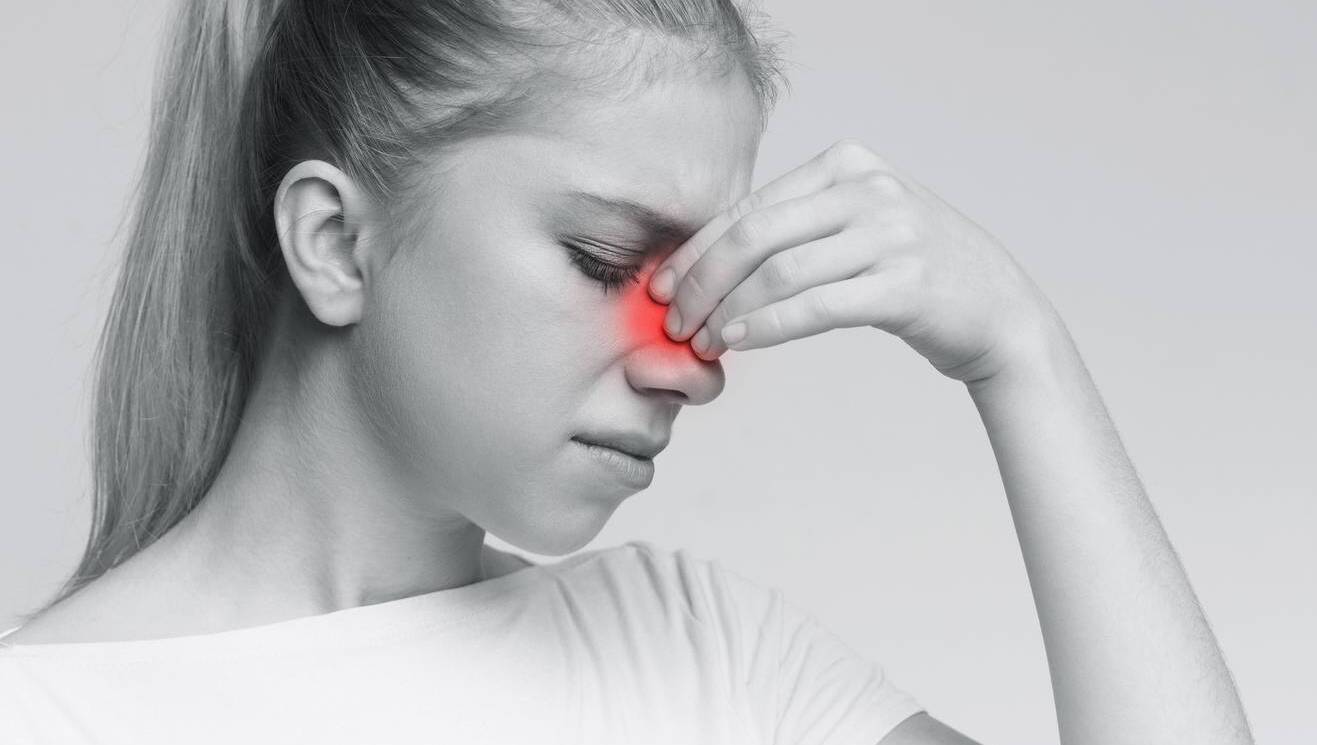
They leave her feeling miserable and she's stressed about her upcoming Junior Cert, which probably isn't helping
Dr Phil Kieran: What can my teen do about her repeat sinus infections? 

Sinusitis can be caused by infection, most commonly colds, flu, or other winter bugs. It can also be due to allergic responses, including hay fever or dust, or to chemical irritation from air pollution, perfumes, or other chemicals. Picture: iStock 

My 15-year-old daughter has started getting sinus infections, which leave her feeling miserable. So far, they’ve cleared up with nasal rinsing, and she has not needed an antibiotic. She’s stressed about her upcoming Junior Cert, which probably isn’t helping. Is there anything she can do to prevent repeat infections?

Most people know what sinusitis is and how it feels, but surprisingly, the medical definition is vague.

The causes and treatments are open to discussion. By this, I mean the term sinusitis encompasses a group of symptoms that several different conditions can cause, making it tricky to pinpoint a definitive way to prevent it.

Sinusitis usually starts with an inflammation of the inside lining of the nasal passages. It can be caused by infection, most commonly colds, flu, or other winter bugs. It can also be due to allergic responses, including hay fever or dust, or to chemical irritation from air pollution, perfumes, or other chemicals. 

It’s why the symptoms can occur at any time of the year, and pinpointing the cause is usually impossible, as there is almost always at least two of the possibilities listed above present.

Sinusitis can make you feel miserable due to the pressure sensation in your forehead or cheeks. Headache, dental pain, or fatigue can be caused by it, interfering with your sleep by making you breathe through your mouth or by causing you to cough all night long.

Left alone, sinusitis will usually settle down within two to three weeks. I am glad to hear you tried saline rinsing and that it helped.

This approach is the first-line recommendation for almost all patients. It can be very effective and, as it is non-medicated, it tends to be very safe. I usually recommend high-volume, low-pressure rinses, as they are more effective than aerosol sprays.

The good news in your daughter’s case is that this is a safe and effective treatment to use once a day, and it can reduce the risk of a recurrence between now and her Junior Cert exams.

I would also recommend sleeping with the windows closed for anyone who suffers from recurrent sinus issues. During the winter, air pollution from solid fuel fires, and during the spring/summer, pollen can cause nasal irritation, making sinusitis more likely.

In your daughter’s case, if you feel there could be an allergic-type issue, it would be worth considering a non-drowsy antihistamine such as cetirizine, which is available over the counter. This may help keep inflammation down and reduce the likelihood of further issues.

On the topic of allergies and hay fever, applying a small amount of Vaseline to the outside of the nostrils can help trap pollen and irritants if she is going out and about a lot (exercise during exam years is a great way to relieve stress and improve memory).

If I were in your shoes, I would probably go with regular sinus rinses and an antihistamine. This combination should be enough to get her through to the end of exams without any sinus issues.

More in this section

Cookie Policy Privacy Policy Brand Safety FAQ Help Contact Us Terms and Conditions

© Examiner Echo Group Limited