Aoife Hearne: How do I talk to my teen about her weight gain and snacking habits?
There is no doubt that you are dealing with a delicate situation
Aoife Hearne: How do I talk to my teen about her weight gain and snacking habits?

If you have ongoing concerns, particularly if eating patterns become more restrictive or distress increases, be sure to seek advice from your GP and registered dietitian. Picture: iStock 

My teenager has put on quite a bit of weight in the past year. She snacks a lot on junk food when she’s out with friends and only picks at her food when at home. Sometimes she skips meals, saying she’s not hungry. When I’ve tried to talk to her about the importance of a healthy diet, she just shrugs. I can see she’s very self-conscious.

There is no doubt that you are dealing with a delicate situation. The approach you take and the language you use can shape how your daughter responds, so you are wise to consider your approach before jumping in. 

Many parents justifiably worry when they see their children making food choices that don’t seem to align with good health. During adolescence, peer influence begins to play a bigger role. 

It is common for teenagers to experiment with different eating patterns and foods as they become more independent. Research investigating decision-making regarding food choices through teenage years has identified snacking as a typical feature. 

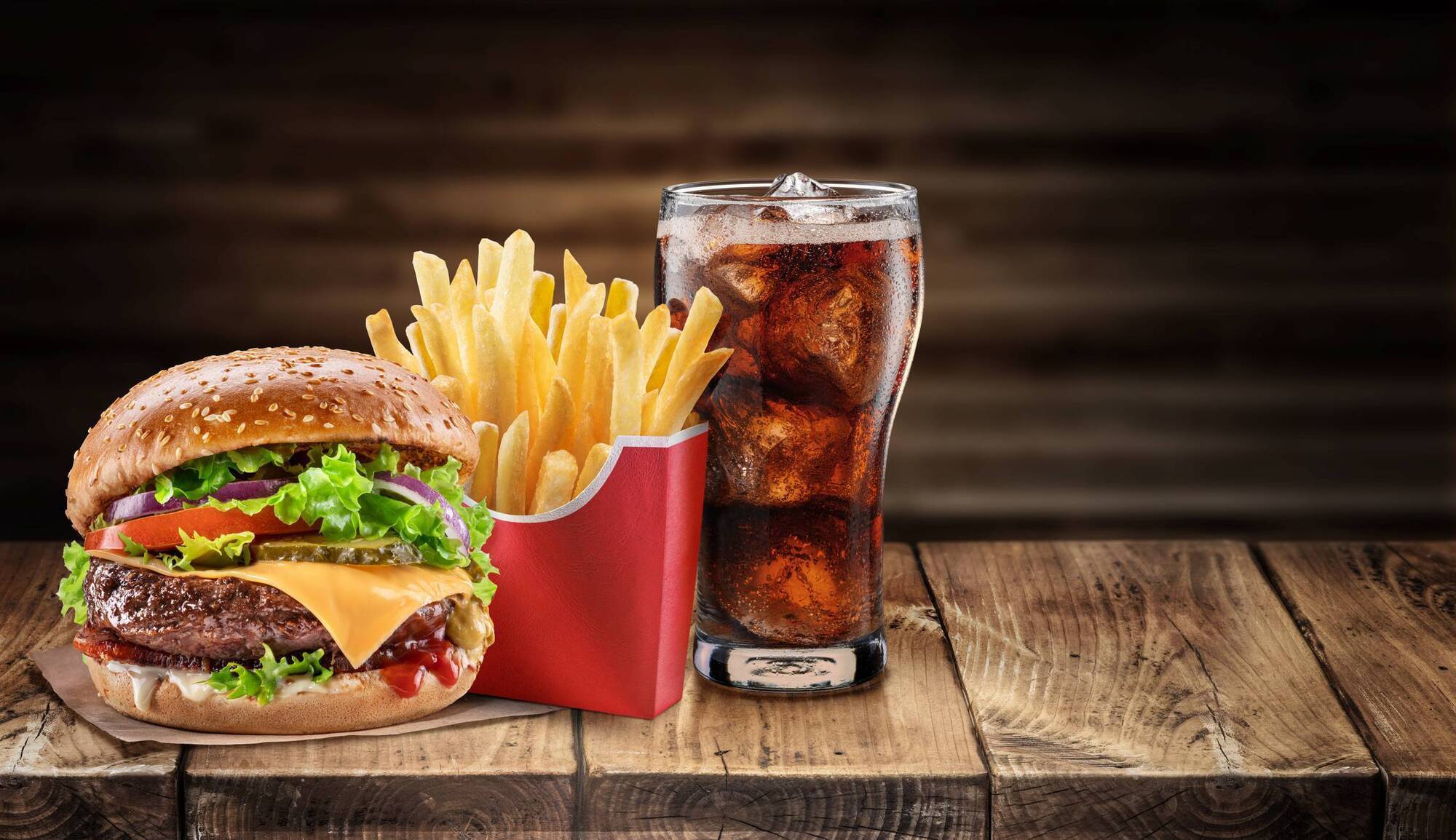
In addition, snacking with friends is generally high in fat, sugar, and salt, whereas snacking at home tends to be more nutritious, such as fruit.

While a balanced eating pattern rich in nutrients is essential for good health, the teenage years are also a critical time to strengthen a healthy relationship with food. 

One of the most impactful things you can do right now is to keep a supportive home environment by having regular family meals, even if that is only a few times a week. As always, the goal is to provide structure without pressure. 

Your role is to provide the food, and your daughter’s role is to decide whether to eat and how much.

I know talking about your daughter’s weight can seem like a scary topic to broach. Timing is everything. The next time you notice she is feeling self-conscious about her body, you might consider gently opening a conversation about her emotional wellbeing, rather than focusing on weight. 

You could start by saying you’ve noticed she seems a bit uncomfortable or not quite herself, and ask how she is feeling. This approach might create a safe space for her to talk.

If this chat develops into a conversation about her weight gain, I must caution you to steer clear of diet advice. It is really easy to fall into a pattern of cutting out certain foods and being ‘good’ with food choices. 

Instead, I would strongly encourage you to consider ways to focus on her eating patterns and habits that benefit her health. For example, encouraging her to eat breakfast in the morning and to eat regularly throughout the day, and to choose wholegrain and other whole foods that support good energy levels.

This strategy is not about avoiding some of the snack foods she likes, but about helping her to tune into her own hunger and fullness cues and building habits that will support her physical and emotional health. 

If you have ongoing concerns, particularly if eating patterns become more restrictive or distress increases, be sure to seek advice from your GP and registered dietitian.

If you have a question for dietitian Aoife Hearne, please send your questions to parenting@examiner.ie

More in this section

Cookie Policy Privacy Policy Brand Safety FAQ Help Contact Us Terms and Conditions

© Examiner Echo Group Limited