Aoife Hearne: My children have lost interest in the free school meals. What do you suggest?
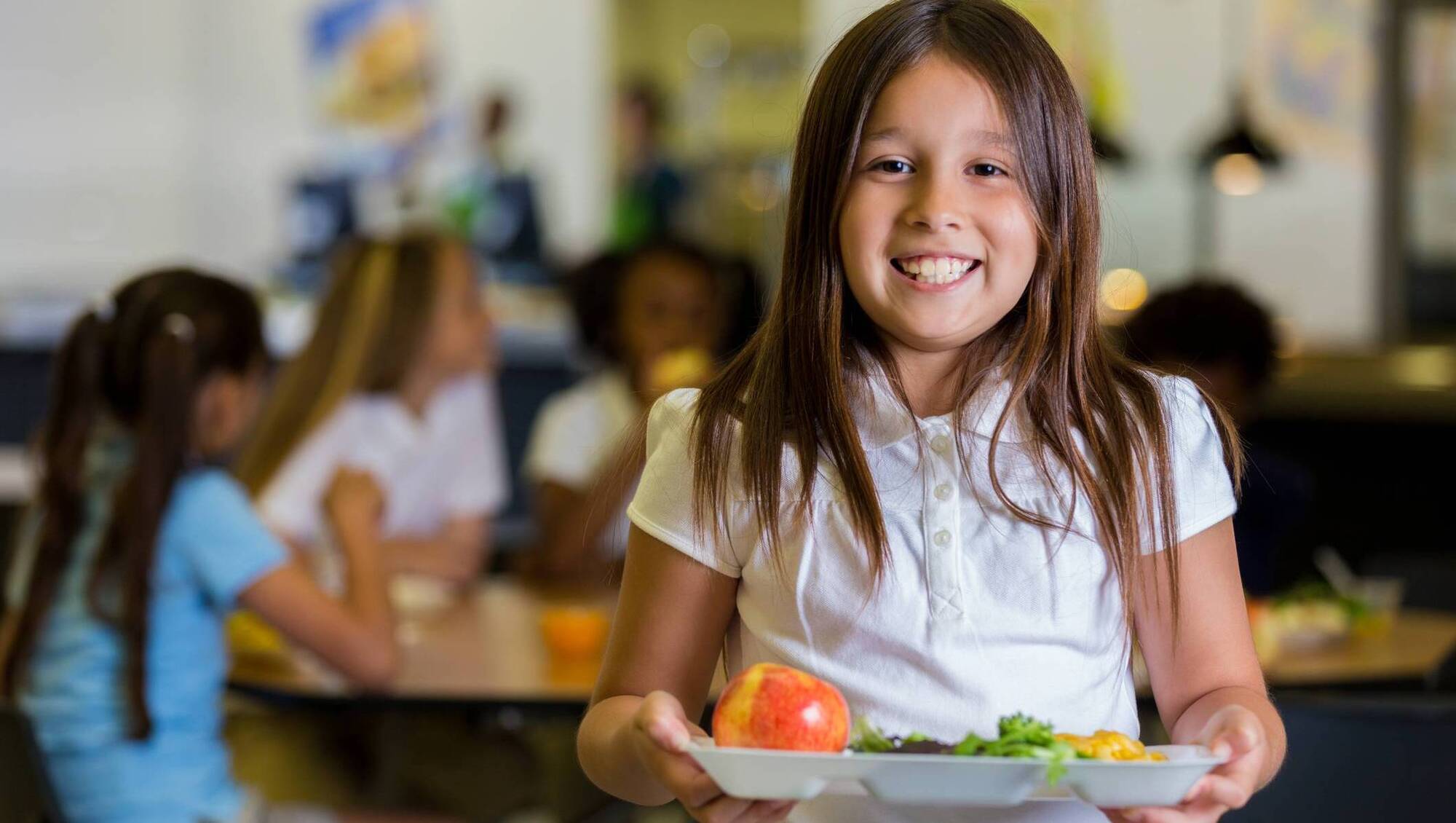
Be sure to involve your daughters in the weekly menu selection and engage in discussion about what options might work best. Picture: iStock

The free school lunches are a hot topic. While the scheme itself has been operational for Deis schools for the past six years, nearly everyone seems to have an opinion on it since the nationwide rollout was announced in 2025.
In the media, I’ve seen a black-and-white approach, mostly taken by influencers who collapse nuance into polarising messaging that generates attention but not solutions.
This commentary is not only unhelpful, it is harmful to an anti-poverty scheme that undeniably could be improved, but which is a lifeline for many children who do not have enough to eat. This is not a ‘nice to have’ programme for many families; it is a ‘need to have’.
Amid all the discussion, the one voice I haven’t heard much of is that of the child.
The lived experience is a powerful gauge that indicates what is working and what can be improved. All too often, these experiences are dismissed.
A good place to start with your daughters is to understand why they have lost interest in the school meals. Sometimes, children just get fed up with the menu options and are reluctant to try something new. This is normal.
In other situations, the quality of the meals may have deteriorated as the year has progressed.
Another factor to consider is the cutlery. Some schools provide wooden, compostable forks. While environmentally responsible, these can feel unfamiliar in the mouth and may be uncomfortable for children who are more sensitive to textures.
When you get to the root cause of this change, you will be in a position to make the best choice for your family. Be sure to involve your daughters in the weekly menu selection and engage in discussion about what options might work best.
I would avoid offering a back-up lunch too soon, in case this is just a phase, and your daughters miss out on some of the positives this programme has the potential to offer.
School meals can broaden the palate beyond home favourites. Children are exposed to new foods, tastes, and flavours, which is very positive, especially since most of them are not meeting recommendations for vegetable and fruit intake.
This scheme is still evolving. No national programme is perfect from the outset. Constructive ‘feedback’, especially from the children, is how it improves. If genuine concerns about food quality arise and do not improve, despite criticism, schools have the option to review and change providers, and I would encourage them to do so, if needed.
In the meantime, small fluctuations in interest are part of a normal childhood. Stay engaged, avoid turning it into a battle, and focus on the bigger picture: Regular access to food, social eating, and exposure to a wider range of tastes.
That foundation matters far more than any single lunch.
If you have a question for dietitian Aoife Hearne, please send it to parenting@examiner.ie.
CONNECT WITH US TODAY



Be the first to know the latest news and updates