No rash decisions: How to identify your child's rash
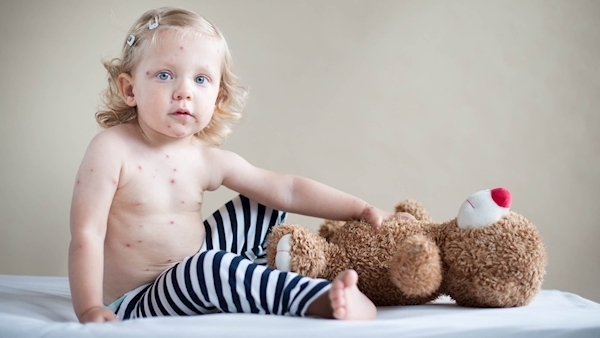
Friday evening has arrived and you are getting the kids into the bath ready to relax after an exhausting week. As the clothes come off you see a rash and all thoughts of a nice relaxed evening evaporate instantly, replaced by fear, worry and the difficulty planning on what to do next?
Rashes are an incredibly common occurrence and their appearance often leads to fear about missing something really serious like meningitis. When faced with this situation, there are a some simple pointers to help you identify your child’s rash.
Chickenpox
Chickenpox is a very common and usually mild viral infection which most of us know well. Usually there’s a note home from school/crèche saying that there is chickenpox around and if your child has not had it before there is a very high (about 90%) chance that they will pick it up.
The rash starts somewhere between seven and 21 days after exposure to someone with chickenpox and comes following a day or two of runny nose, possibly mild fever and symptoms which look very like a head cold.
The first few spots often start on the belly and the back. They will come up quickly and are most dense around the midline (spine and breast bone). The spots are small fluid-filled lumps which break and then scab over before healing.
Being a viral illness there is no specific medical treatment for chickenpox so we focus on comfort, plenty of fluids and paracetamol if they have a fever. Don’t give ibuprofen, however, as it increases the risk of skin infections.
Cool baths can really help reduce the itch and filling an old sock with porridge oats and running the bath tap through this when filling works great (I’m serious, this actually works a treat).
Chickenpox is contagious from two to three days before the rash comes on until the last spot scabs and your child should stay out of school during this time.
There is a chickenpox vaccine available which your GP will be able to advise you on. There is no need to see the doctor for chickenpox unless your child is very unwell or you are worried one of the spots is infected.
Slapped cheek syndrome
Also known as parvovirus B19, this is another common rash I see in my surgery. It appears as a bright red rash on your child’s cheeks. They may have been a bit more tired than usual in the days beforehand but usually they are in good form by the time the rash shows up.
This is a mild viral illness which passes without treatment so there is no need to see a doctor about it if your child is feeling well. It is contagious but mostly before the rash shows so there is no need to keep your child out from school.
Eczema
Eczema is a non-contagious dry skin rash which tends to occur on the places where the skin bends into creases so mostly in the elbows behind the knees and under the chin. The rash itself is a rough-feeling patch of skin which is redder than the surrounding skin and is usually itchy.
The rash is best treated with moisturisers applied thick and frequently and doesn’t need medical treatment unless it is infected or causing a lot of distress.
You can tell it is infected as it will usually start to become very moist, weeping a lot of the time, and can be shiny, red and sore. If this happens go and see your doctor for advice and possible antibiotics. Fabric softener and strong or heavily perfumed clothes washing detergents can also trigger this.
Measles
This is one of those rashes I saw very rarely during the earlier part of my career but unfortunately, due to anti-vaccine beliefs, this is becoming a more common problem.
A child with measles will become unwell with a fever and feeling generally sick. The rash can start with little red and white spots inside the cheeks which will lead in a day or two to a classical measles rash all over the body starting around the neck or behind the ears.
The spots will go pale if you press on them and are usually not raised. If you think your child has measles you should ring your doctor but not go to the surgery. This is because measles is highly contagious and sitting in a busy waiting room is a good way to start an outbreak.
Once measles starts there is not any treatment other than fluids if they become dehydrated and medication to bring down a temperature or relieve pain. If your child is becoming lethargic or drowsy ring your doctor or the emergency department and they will try to arrange to see the child in a specific room so as not to risk spreading this infection further.
Measles is easily prevented with the MMR vaccine and, remember, it is never too late to get this for your child.
Meningitis
This is the frightening one that all parents dread. The rash associated with meningitis is quite specific and usually shows up red spots which don’t go pale (blanch) when you press on them.
This is where the tumbler test comes in. If you push a clear glass tumbler on most rashes they will go pale under it — a meningitis rash will not. If you see this rash get to a doctor, particularly if your child is unwell, irritable or drowsy. You need to get them seen urgently so if you can’t contact your doctor take your child to the hospital emergency department.
This is not a rash you should wait around with. It’s also contagious so the rest of the family may need treatment.
General viral rashes and heat rash
Children frequently get non-specific rashes on their skin which is often seen when their immune system is fighting a viral illness. This type of rash often comes and goes with time so one minute it looks very serious but 30 minutes later it’s gone again. These rashes will blanch under a glass so this is very reassuring.
Treatment is almost never necessary beyond normal caring for a child with a viral illness like a cold and the rash usually goes away when the viral infection clears. Heat is another thing that can cause a rash like this and is not anything to worry about.
Finally, l would strongly recommend to avoid trying to diagnose the rash based on internet pictures. These can be very misleading and a lot of different rashes look similar. If you have been given a diagnosis about a skin condition the website www.dermnetnz.org has very good information about almost all skin conditions.