Simply misunderstood: We're in the dark on our many bat species
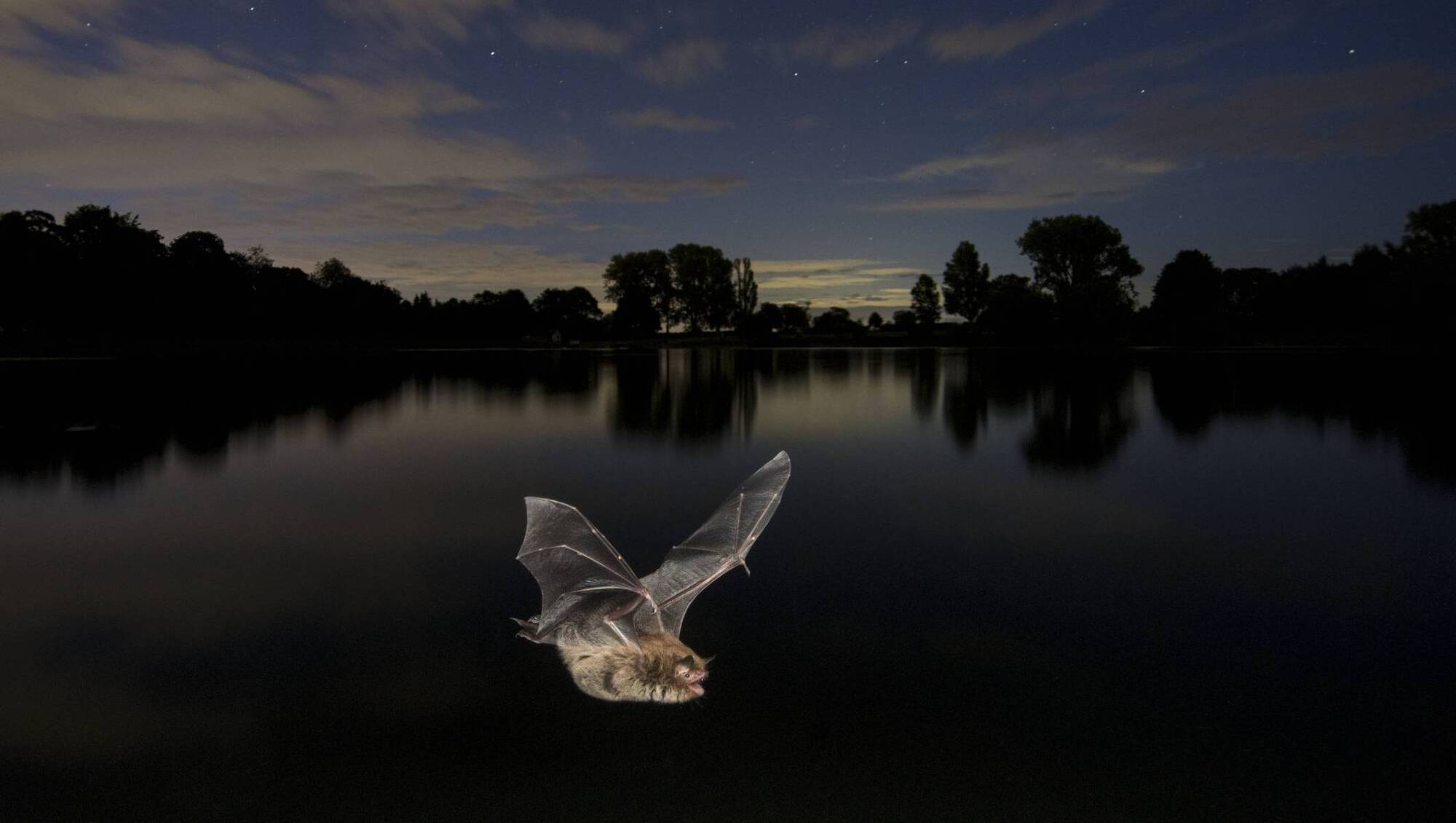
Daubenton’s bats skim low over water, hunting insects around rivers and canals. Picture: iStock
A bat’s greatest mistake, from a public relations perspective, was to look slightly sinister. Had it been rounder, fluffier and willing to work daylight hours, we might put it on tea towels. Instead, we hang plastic versions over bowls of Halloween sweets and teach children that it belongs in the same category as ghosts and axe murderers.
For Ireland’s nine resident bat species, this is a little unfair. None want your blood. A midge, on the other hand, should be very worried. Our bats feed on insects and other small invertebrates, conducting their nightly business while we are drawing the curtains downstairs. Nor are they blind. Bats can see, but our species also use echolocation, sending out high-frequency calls and listening for returning echoes to navigate and locate prey. Imagine finding your dinner by shouting into the fridge and interpreting the reply. Now imagine doing it while flying, in darkness, with dinner taking evasive action.
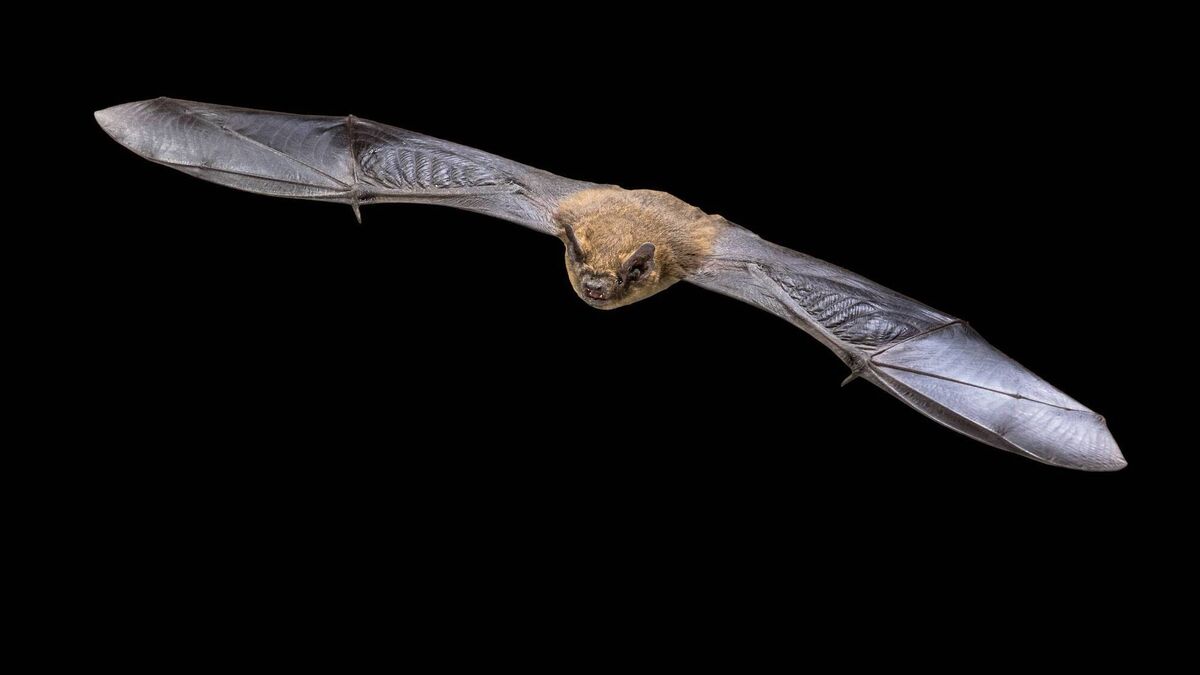
The common and soprano pipistrelles are Ireland’s smallest bats. These are often the quick, twisting silhouettes seen around gardens at dusk. The soprano gets its name from its higher-pitched echolocation calls, rather than any ambition to headline the opera. Most of this nightly conversation happens beyond human hearing. There is more going on above the back garden than the washing drying slowly. Then there is the brown long-eared bat, whose ears are almost as long as its body. It picks insects from foliage and takes larger prey to a feeding perch, leaving moth wings beneath. Daubenton’s bats skim low over water, hunting insects around rivers and canals. Leisler’s bats patrol higher, over parks and fields. Relatively common here but scarce across much of Europe, Leisler’s gives Ireland an internationally important conservation responsibility. The lesser horseshoe bat offers another reason to look west. Its Irish range is concentrated in western counties, including Cork and Kerry. With a horseshoe-shaped structure around its nostrils, it is splendidly distinctive. At rest, it wraps its wings around itself: the closest our bats come to endorsing the Dracula costume department.
By Halloween, however, these mammals are preparing for a quieter season. As insect supplies diminish, Irish bats enter hibernation, reducing their energy expenditure and relying on stored fat. They can wake during mild spells to feed or drink. Winter is less one uninterrupted sleep than an exercise in making limited reserves last. That makes a secure roost essential. Depending on the species and season, bats use buildings, trees, bridges and underground spaces. A roof can be habitat as surely as a woodland. Bats do not chew wiring or bring in nesting material. Some householders may therefore be sharing their property with unusually discreet tenants. The difficulty is that suitable accommodation is only part of the requirement. Bats also need feeding grounds and routes between them. Hedgerows and treelines provide sheltered connections through the landscape. Remove enough of these and a place that looks perfectly green to us can become a series of disconnected islands to a bat.
Then we switch on the lights. Artificial lighting can disrupt bats’ movements and feeding, although species respond differently. Lesser horseshoe bats avoid illuminated areas, so lighting a route between a roost and woodland can restrict access to food. A floodlit hedge may still look like a hedge. To a light-sensitive animal, its usefulness has changed profoundly. Darkness is habitat too. That is an awkward idea in a culture inclined to treat every unlit corner as an improvement project. We understand that wildlife needs trees and clean water. We are slower to recognise that it may also need us to stop illuminating the trees and water all night.
Helping bats means protecting roosts, retaining connected hedgerows, supporting insect-rich gardens and avoiding unnecessary outdoor lighting. In Ireland, bats and their roosts are legally protected; seek expert advice before work that could affect them. Conservation begins surprisingly often with checking what already lives somewhere before deciding how to improve it. While we creep towards winter, pause beside a sheltered river or garden at dusk. Watch for that flicker against the remaining light. A bat detector can reveal an acoustic world your ears otherwise miss, and a guided bat walk can introduce the neighbours properly. For now, let the cardboard bats enjoy their annual moment. But spare a thought for the originals, settling into winter after months of work above our heads. They have spent the year eating insects, navigating darkness and asking very little of us. The least we can do is leave them somewhere to sleep, something to eat and a dark route home.
CONNECT WITH US TODAY



Be the first to know the latest news and updates