Donal Hickey: Discovery of rare fan mussel is welcome news
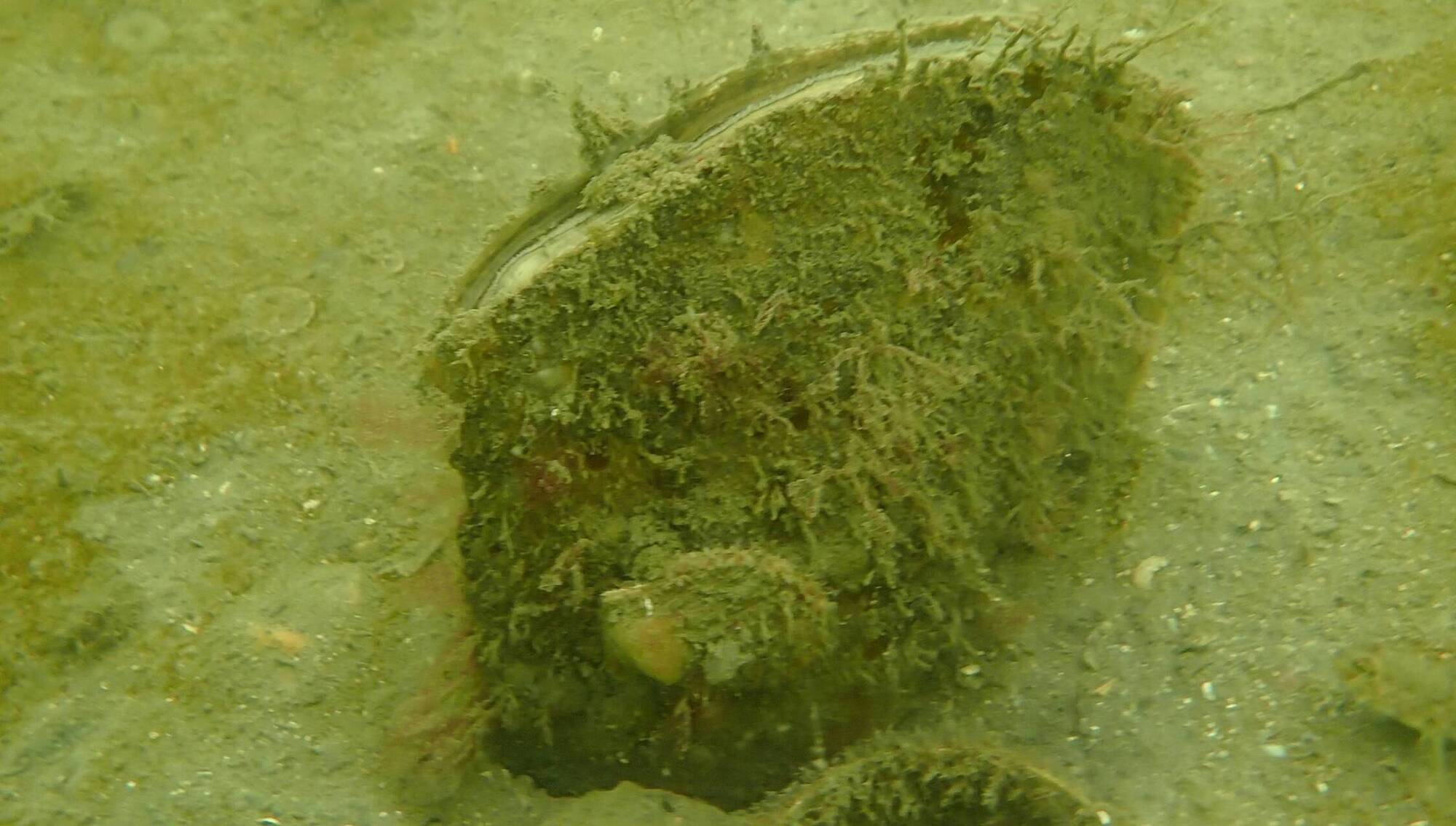
The rare and critically endangered giant mussel lives anchored to the seabed, half of its shell buried in sediment while securing itself to small stones and shell fragments.
An extremely rare and threatened species of giant fan mussel found recently near Valentia Island, Co Kerry, likes a quiet life which probably explains why so few sightings of it are reported.
A sleepy auld sort, it lives anchored to the seabed, half of its shell buried in sediment while securing itself to small stones and shell fragments. If disturbed by trawling, or dredging, it lacks the ability to re-anchor. So, it loves to be just left alone.
The previous finding of this largely sedentary mussel in Ireland was 20 years ago, off the northern coast. Shells have previously been washed up in Cork Harbour and Dingle.
It can live for up to 100 years. Fascinating to think this mussel could have been resting easily on the seabed when the great Valentia footballer, Mick O’Connell, was winning All-Irelands with the Kingdom in mid-20th century. The discovery of the fan mussel (Atrina fragilis) is welcome news at a time when the survival of many marine species is threatened.
At the same time, warming waters around our coasts due to climate change are continuing to attract species which have always been associated with the Mediterranean and other places further south.
Anchovies, sardines and tuna moving up from southern waters are being found in increasing numbers by fishermen along our south coast.
Fish which were rarely seen outside Mediterranean waters, like cuttlefish and the large Spanish octopus, are now being found here.
The arrival of the Spanish octopus is a particular worry as it eats our lobster and crab, according to marine biologist Kevin Flannery, who is director of the Dingle Oceanworld aquarium.
“Whenever this octopus starts breeding here, I’ll have serious concerns for our lobster and crab fishing industries,’’ he stressed.
He said we’re now picking up around 80% of unusual species coming up from Spain and Portugal.
Flannery has voiced serious concern about the effects of increasing ocean temperatures on our native species like cod, pollock and haddock.
“These cannot survive in temperatures above 16 or 17 degrees: they either move on or die. I’ve serious concerns about them going into the future,’’ he warned.
Meanwhile, in recent years, trawler fishermen in northern France and south-west England have been landing ever growing quantities of common octopus, a high-value, non-quota species.
Problem is, however, that these large predators get into shell fishermen’s pots and devour lobster, crab, and scallops, with obvious implications for stocks and livelihoods.
What’s described as bloom in octopus stocks has been occuring in the western English Channel. Pot fishermen here are hoping the so-called bloom doesn’t spread further west to our coastline.

CONNECT WITH US TODAY



Be the first to know the latest news and updates