Learning from the past: Australia’s wildfire crisis was shaped by colonialism
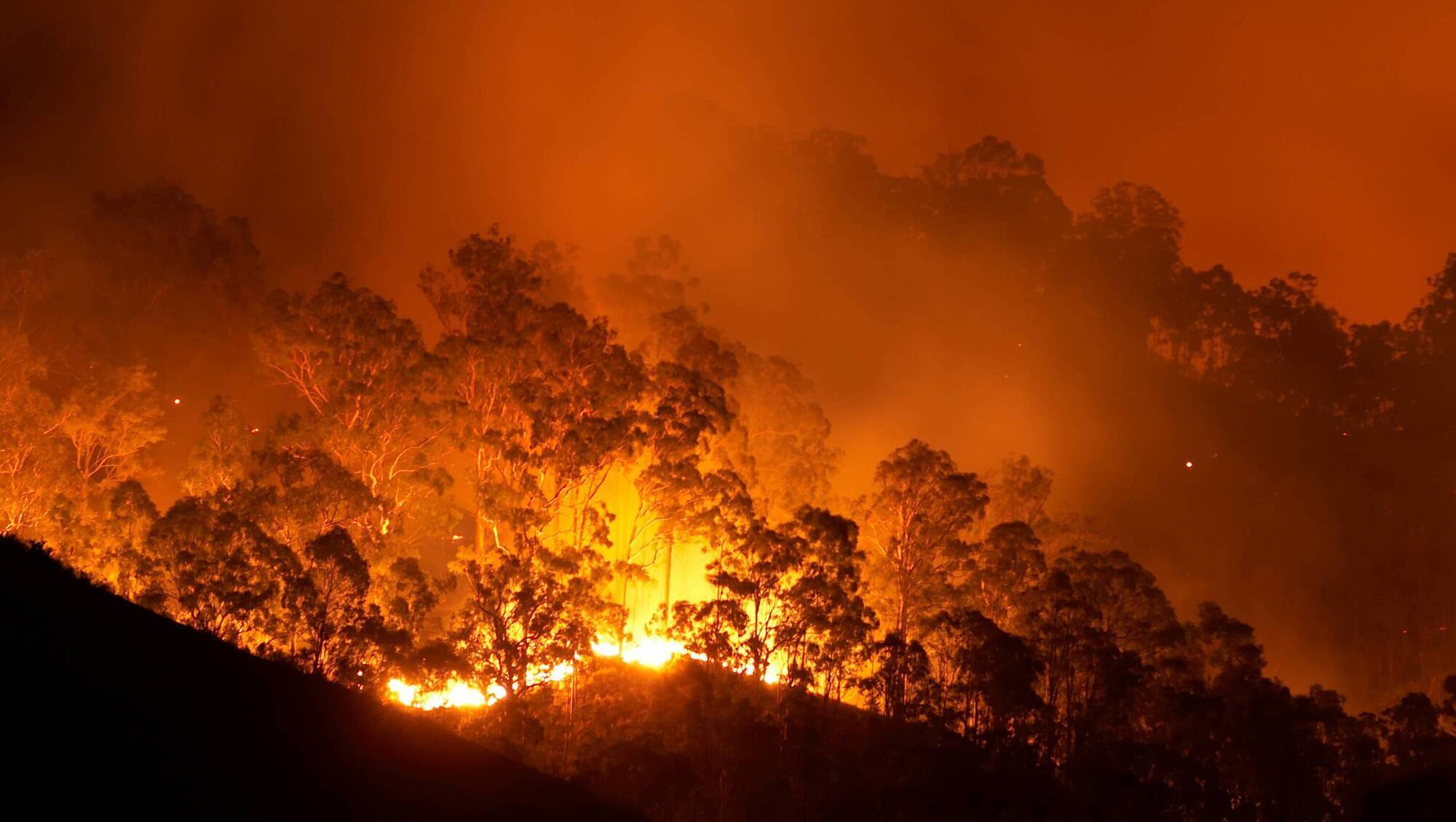
Wildfires may ignite in a moment, but the conditions that make them catastrophic can take generations to build.
When Australia burns, climate change is usually the obvious culprit. And there is good reason for that. Hotter temperatures, longer droughts and more extreme fire weather are making Australian bushfires increasingly dangerous. But a fascinating new study published in the journal , led by Prof Fletcher in the University of Melbourne, suggests that part of today’s wildfire problem began much earlier. The authors suggest more than a century before modern climate change really took hold. The research looked at 1,000 years of environmental history in southeastern Australia. Its conclusion is striking: the forests that burn so fiercely today may be partly the result of changes that began when British colonisation disrupted Indigenous land management.
To work this out, the researchers went digging in lake mud. More specifically, and scientifically, they took a one-metre core from the bottom of Purghagoolah, also known as Lake Elusive, in Gippsland. Lake mud may not look particularly exciting, but for an environmental scientist it is basically a filing cabinet. Every year, tiny bits of pollen, charcoal and soil settle to the bottom. Layer upon layer builds up, preserving clues about what plants were growing nearby, how often the landscape burned and even how hot those fires were. The researchers used pollen to reconstruct past vegetation, charcoal to investigate fire, and evidence of erosion to see how the landscape changed. What emerged was a very different picture of southeastern Australia before colonisation.
For more than 800 years, the area surrounding the lake was not the dense eucalypt forest we see there today. It was a much more open, grassy woodland. The Gunaikurnai people managed this landscape using what is known as cultural burning: frequent, carefully controlled, low-temperature fires. These were not huge bushfires tearing through treetops. They were smaller, cooler burns carried out across different patches of the landscape. Regular burning removed some grasses, shrubs and fallen material before they could build up into large quantities of fuel. It also helped maintain an open landscape, rather than a thick wall of connected trees and shrubs. The sediment record backs this up. Before colonial disruption, tree cover around the study area averaged only about 10%. There was little evidence of extremely hot fires and relatively little soil erosion.
Soon afterwards, the researchers found evidence of hotter fires. Eucalypt cover increased. Shrubs became more common. Over time, the open woodland thickened into forest. By the 1970s, eucalypt cover had reached around 34%, which was almost four times its pre-colonial level. And here is where the wildfire story becomes particularly interesting. Weather alone does not create a catastrophic fire. You also need something to burn. A scorching hot, dry day is dangerous, but fire behaves very differently in an open landscape with gaps between vegetation than it does in a dense forest packed with connected fuel. Once vegetation became thicker, flames could spread more easily through shrubs and trees. Hotter fires then damaged soils and encouraged further changes in vegetation.
The researchers describe this as a “catastrophic wildfire loop”. As vegetation thickens, more fuel builds up. When severe fires then tear through the landscape, they can trigger further changes in vegetation and soil, leaving the area even more vulnerable to the next major fire. Crucially, the researchers found that this cycle was already developing before human-caused climate warming became a major influence in the region. That does not mean climate change is not playing a role. Quite the opposite. Climate change is now turning up the temperature, worsening drought and producing more extreme fire weather. But it is doing so in a landscape that this research suggests had already become more flammable.
The catastrophic Black Summer fires of 2019-2020 showed how dangerous that combination can be. More than 24 million hectares burned across southeastern Australia, including millions of hectares of eucalypt forest. The study also raises a bigger question about what we mean when we call a landscape natural. We often imagine nature as something that existed happily until humans interfered with it. But Indigenous Australians had actively managed these landscapes for thousands of years. What looked like untouched wilderness to later settlers was often anything but untouched. And the solution proposed by the researchers is not simply to burn more forest. They argue for restoring Indigenous-led cultural burning alongside other carefully planned approaches, such as thinning dense vegetation where appropriate.
There is a lesson here far beyond Australia. Climate change is making wildfires more dangerous but heat alone does not decide how a landscape burns. Fuel, vegetation and decades, sometimes centuries, of land management matter too. Wildfires may ignite in a moment, but the conditions that make them catastrophic can take generations to build. And sometimes, the best way to understand the fires of the future is to look much further into the past.
- Reference:
- Fletcher, M., Romano, A., O’Shea, C., Maezumi, S.Y., Magee, H., Connor, S., Mullett, R., Menéndez, P., Gadd, P., Mariani, M. and Chevalier, M. 2026. Australia's current wildfire crisis linked to colonial land-use change. .


CONNECT WITH US TODAY



Be the first to know the latest news and updates