Best buds: Just how green is your wedding bouquet?
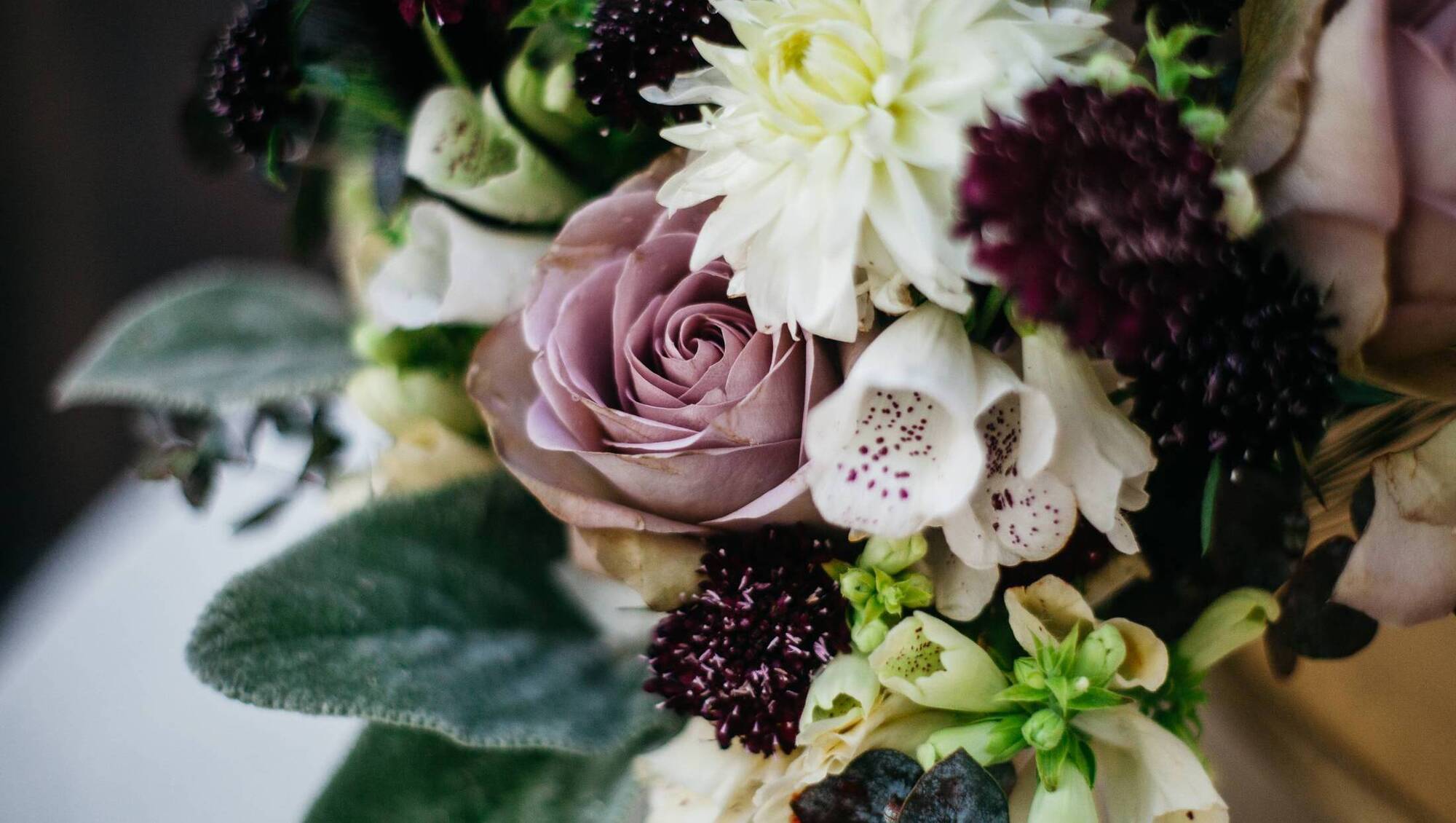
bouquet of beautiful flowers with roses in a small Golden vase in vintage style on the table - Michelle McKeown - Outdoors
There are few things that seem more naturally sustainable than flowers. They grow from the ground, feed our pollinators and eventually return to it. Yet the flowers in an Irish wedding bouquet may have travelled considerably further than many of the guests. In 2024, Ireland imported around 17 million kilograms of fresh cut flowers and flower buds, which was worth approximately $77 million (in US dollars), according to UN trade data. More than 16 million kilograms were recorded as arriving from the Netherlands. But that does not necessarily mean they were grown there. The Netherlands is the enormous turntable of the European flower trade. In 2024, again, it imported around 66 million kilograms of cut flowers from Kenya, 31 million from Ethiopia and 28 million from Ecuador. A rose bought in Ireland can therefore have had a surprisingly international life before ending up on a wedding table in Cork.
That is not necessarily a reason to feel guilty about buying it. Flowers are one of the loveliest parts of a wedding and, having recently discovered just how many decisions are involved in organising one, I certainly wouldn't add "calculate the carbon footprint of the centrepieces" to the list. But it is interesting to consider whether there might be another way. The environmental footprint of the flower industry extends beyond transport. Commercial production can involve water, fertilisers and pesticides, while cut flowers require refrigeration, packaging and rapid transportation because, unlike most international commodities, they are actively dying while we transport them. There is also a surprising complication, in that local isn't always automatically better. There is also a complication that makes the environmental story less straightforward than simply counting flower miles. Where a flower comes from is important, but so does how it was grown. Producing flowers in heated and artificially lit greenhouses requires energy, while flowers grown in suitable outdoor climates may require much less. Transport method matters too as a flower moved by air has a very different footprint from one transported by road or sea. So local and sustainable are not necessarily interchangeable. A more useful way to think about the whole journey is how the flowers were grown, whether energy-intensive heating was required, how they reached Ireland and, perhaps most importantly, whether we are demanding flowers far outside their natural growing season.
And that is where seasonal flowers become interesting. We have become accustomed to being able to request almost any flower at almost any time of year. Pinterest and Instagram provide endless inspiration, and a photograph of a Californian wedding can be recreated remarkably faithfully in Ireland. However, nature has never paid much attention to Pinterest. An alternative is to give florists greater freedom to use flowers that are actually available locally and seasonally. Ireland has its own small-scale flower growers. For a summer wedding, locally grown seasonal flowers and grasses can create the loose, meadow-like arrangements that have become increasingly popular. There is something lovely about the idea that an August wedding should actually look like August. Wildflower-style arrangements are another option, although wildflower wedding needs a small ecological asterisk. It doesn't mean heading into the countryside with a pair of scissors. Ireland's Flora (Protection) Order 2022 protects listed wild plants from being cut, picked or uprooted without a licence, as well as protecting their habitats. Even common wildflowers have ecological value where they grow, providing food for insects and, if left alone, seeds for the following year. Instead, cultivated meadow and native species can provide the same wonderfully informal appearance without removing plants from the wild.
CLIMATE & SUSTAINABILITY HUB
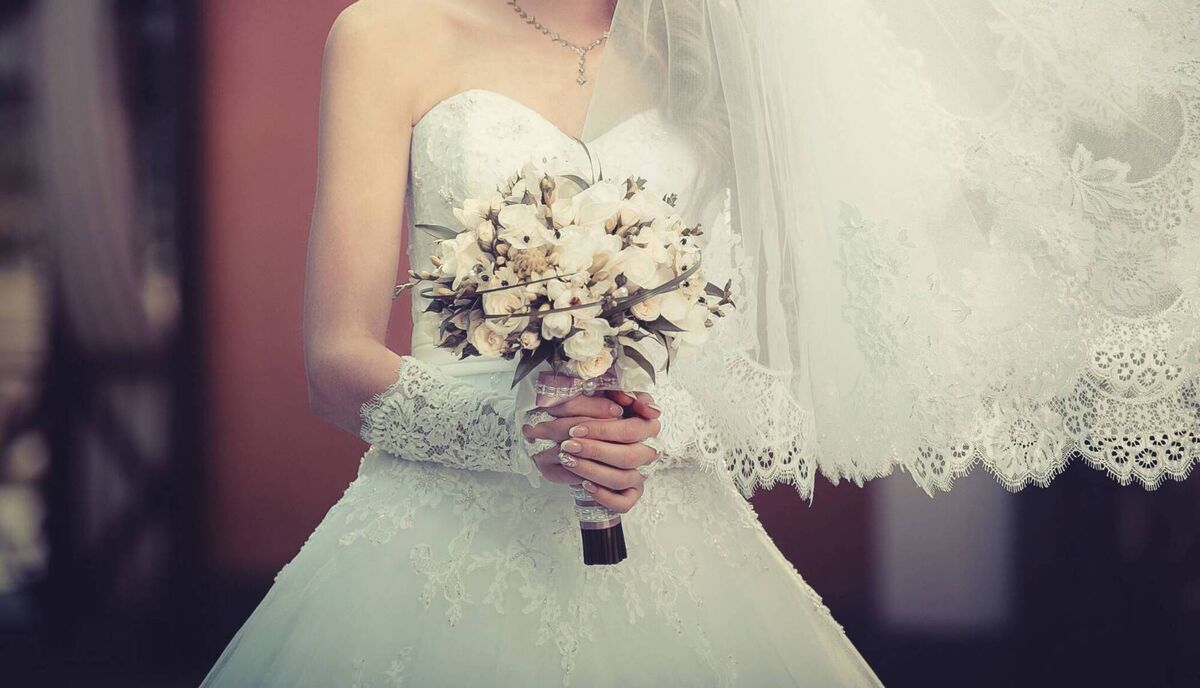
There are also much simpler changes. Couples can ask their florist about Irish-grown and seasonal flowers, rather than specifying every variety in advance. Floral arrangements from the ceremony can be moved to the reception. Bridesmaid bouquets can become table decorations. A collection of small bud vases can create colour with far fewer stems than enormous centrepieces. Potted herbs, ferns or flowering plants can be used as decorations and taken home afterwards. Flowers can be given to guests, donated where practical or composted rather than simply thrown away. Another idea is to put flowers on a loved ones grave after your wedding as a way to include them in the celebrations, albeit symbolically.
It is also worth asking about floral foam. The familiar green foam used to hold arrangements together is a plastic-based material that can fragment into small particles. Many florists now offer foam-free alternatives using reusable containers, wire structures and other mechanics. None of these decisions will individually solve climate change. Nor should weddings become exercises in environmental perfection. A wedding is one of the relatively few occasions in life when ordering hundreds of flowers feels entirely reasonable. The point isn't to remove the beauty from it. Maybe it is simply about reconsidering what beautiful has to look like.
Instead of asking a florist to recreate an exact photograph, we could ask what is growing locally that month. Instead of decorating two rooms separately, we could move the flowers between them. And rather than assuming more flowers always means a more beautiful wedding, we could allow a few seasonal stems to do the work. The result might even feel more personal. We spend months choosing food, music, venues and countless tiny details to make weddings reflect who we are. Perhaps the flowers could reflect where, and when, we are too.

CONNECT WITH US TODAY



Be the first to know the latest news and updates