Net result: Ocean warming may see sharks in uncharted waters
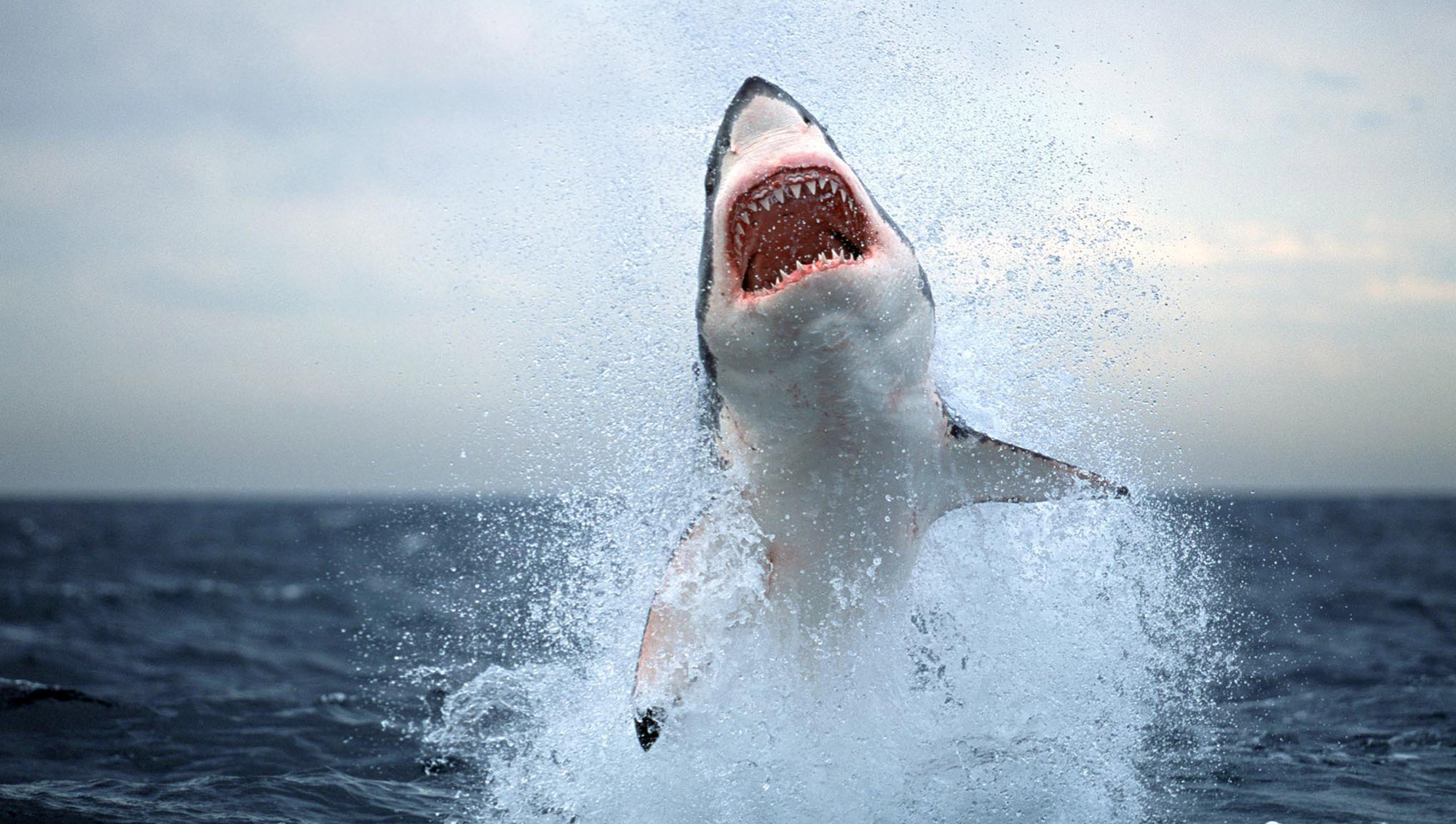
A great white shark breaches the water in False Bay, Cape Town, South Africa. Fish records for the Mediterranean go back to 1862. Great white numbers have declined and stragglers turn up only very occasionally there nowadays. Picture: AP
—
In April 2023, a strange fish was captured in Spanish Mediterranean waters. Post-mortem examination confirmed it as a great white shark.
An adult shark might be 6.5m long and up to 70 years old. One caught off Australia in 1959 weighed 1,200kg. Youngsters reach the ‘threshold of maturity’ at 4.5m. The individual found off Spain was just over 2m long and weighed between 80 and 90km. It was, therefore, just a teenager in shark terms.
Fish records for the Mediterranean go back to 1862. Great white numbers have declined. Stragglers turn up only very occasionally there nowadays. Although eleven newborns have been recorded in Turkish water since 2008, the species is deemed virtually extinct in what the Romans called the ‘Mare Nostrum’, their sea. The discovery of a juvenile great white, therefore, raises an intriguing question. Had this youngster been born in the Mediterranean?
The thought of this Satan of the Sea cutting its victim into chunks and swallowing them whole, stirs primordial fears of demon monsters, buried deeply within the human psyche. The 1976 horror film , whose main character was an enormous great white shark, exploited these terrors, breaking all previous box-office records as a result.
Spielberg’s film destroyed what little remained of the great white’s reputation. Sharks may present a threat in Australian waters but becoming the main course of a great white’s dinner off a European beach isn’t at all likely. Tens of millions of tourists visit Mediterranean water-sport destinations annually. Yet only 50 unprovoked shark attacks, 15 of them fatal, have occurred since records began a century and a half ago. The risks of accident while driving to a beach are orders of magnitude greater. The sight of a car should scare us all, but anybody seriously worried about shark attack should talk to their therapist.
I hope that in drawing attention to the recent find off Spain, this article won’t further blacken the reputation of the ocean’s most awe-inspiring creature. Having made the acquaintance of white sharks, up close and personal, in cages off South Africa’s Dyer Island, I must speak in their defence.
‘Le raquin blanc’ is found in warmer seas worldwide. With the recent decline in its fortunes, the species is now classified as ‘Vulnerable’ by the IUCN. But ocean warming may lead to expansion of its range.
The whales which visited the County Cork coast until recently have moved northwards to Donegal waters. So have the shoal fish on which seabirds depend. Creatures of sub-tropical habitats are recorded here increasingly. White sharks may do likewise. They already frequent the Bay of Biscay.
But fear not. Protective shark nets are unlikely to be needed off Tramore or Kilkee any time soon. And, if the sharks do come, they won’t be to blame. The culprit will be manmade climate change, and guess who is responsible for that?
- José Carlos Báez et al. New record of white shark from the Mediterranean Spanish coast. . 2026.