Road to perdition: Is the wolf the only European species threatened by hybridisation?
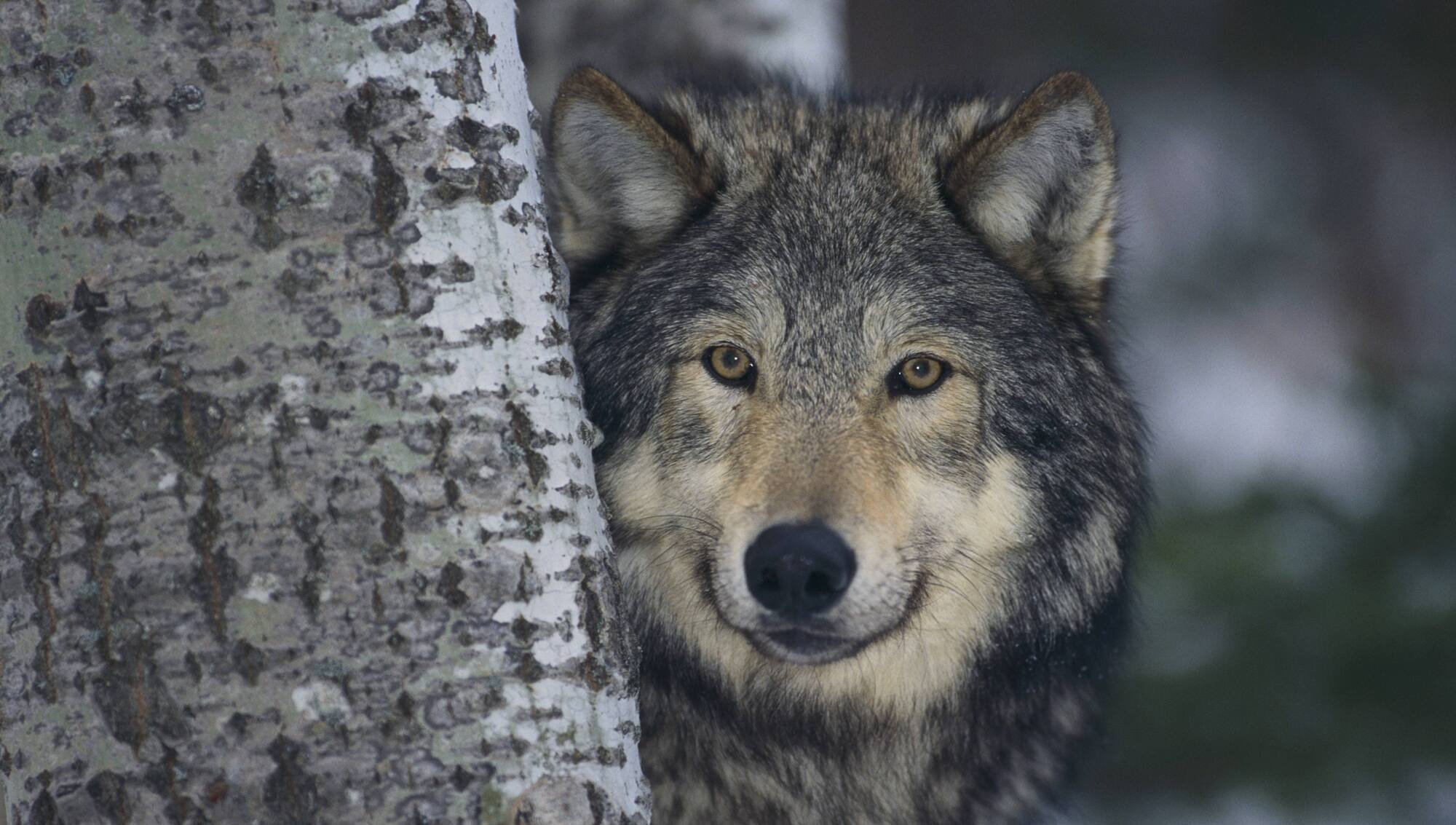
In southern Italy, mating with dogs has led to increasing numbers of wolf-dog hybrids. Zoologists fear that ‘genomic swamping’, may occur, where one set of genes threatens to oust all others.
According to a paper just published, almost half of the wolves in southern Italy are mongrels. Mating with dogs has led to increasing numbers of wolf-dog hybrids. Zoologists are anxious. They fear that ‘genomic swamping’, where one set of genes threatens to oust all others, may be occurring.
Zoologist Rita Lorenzini, and colleagues at the Tuscany and Lazio Experimental Zoological Institute, examined the genetic profiles of 748 wolves found dead between 2020 and 2024 and 26 which died between 1993 and 2003. The carcases came from the Italian peninsula.
About 47% of the bodies, the results showed, were of wolf-dog hybrids. About 30% of them had resulted from recent crosses. Others were older.
Of the 21,500 wolves in Europe, almost 3,300 live in Italy. Long persecuted as outlaws there, only 70 to 100 individual wolves remained in the 1970s. But attitudes towards the notorious predator were changing. When wolves were afforded legal protection, their numbers increased. In the 1990s, some adventurous ones began moving via the Alps into Switzerland, France, and Germany.
The first domestic dogs were bred from captured wolves between 11,000 and 30,000 years ago. They helped protect grain stores from rats and were valuable hunting companions, roles their descendants perform today. But now, urban expansion is leading to encounters between free-ranging strays and wolves in Italy.
According to Paolo Ciucci, a co-author of the paper, wolves belonging to healthy packs are unlikely to mate with dogs. Seen as competitors, a dog encountering a pack would probably be attacked and torn to pieces. A female wolf roaming alone, however, might mate with a feral dog.
Cross-breeding by such closely-related species is probably inevitable. However, the researchers found no evidence ‘that the German shepherd breed contributed most to admixture in Italian wolves’.
Indeed, wolves have probably interbred with domestic dogs ever since the species diverged. Black wolves occurring in North America are thought to be products of such close encounters.
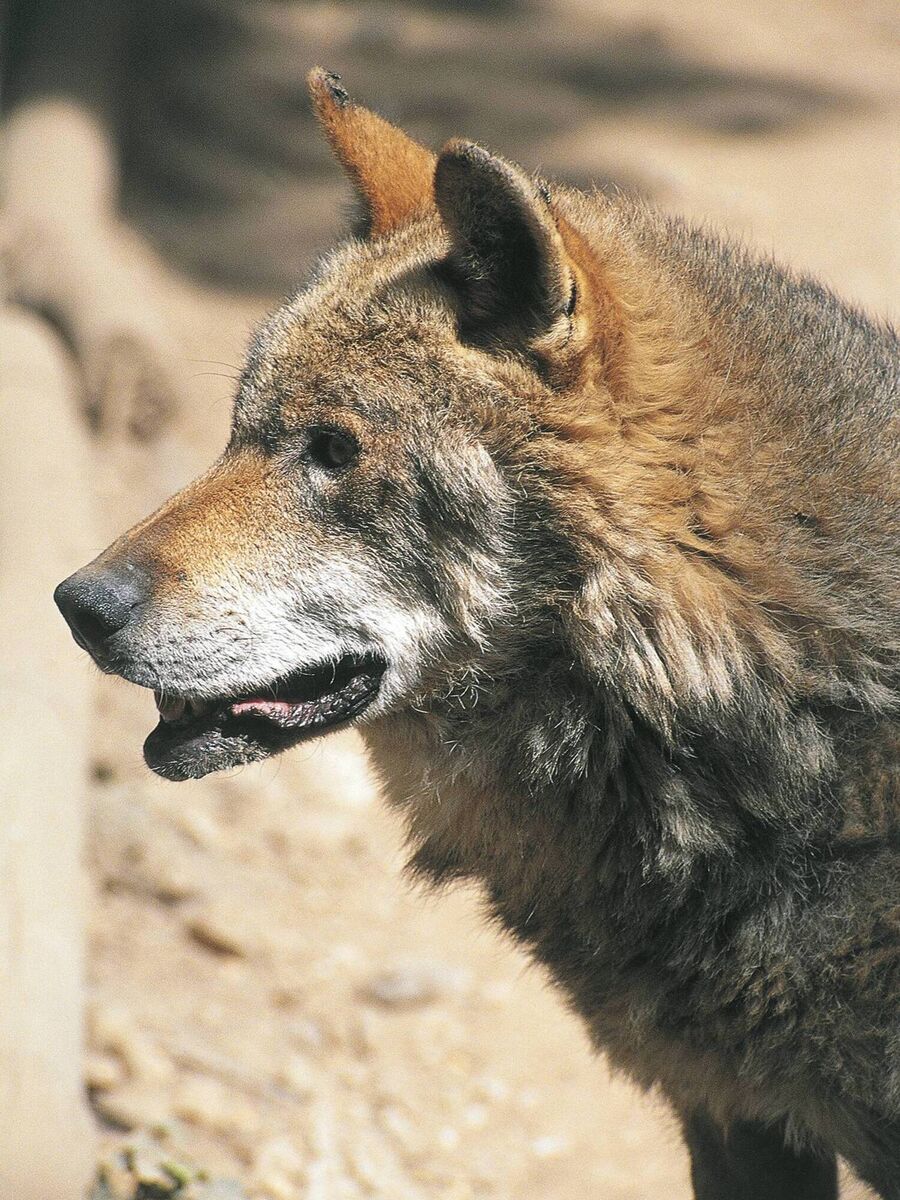
The first definite instances of hybridisation came to light in the 1970s but it is difficult to gauge the extent of such cases. Wolf-dogs can’t be reliably identified from their external appearance. Genetic testing is required.
Their findings present ‘extraordinary practical conservation challenges’, the authors say. The extent of cross-breeding in Italy doesn’t augur well for the future of wolves there. With increasing urbanisation, hybridisation will continue growing.
Wolves travel extensively, so the problem won’t be confined to Italy.
Nor is the wolf the only European species threatened by hybridisation. Scottish wildcats have coexisted with domestic ones for centuries but, with interbreeding between them, the wildcat is facing extinction.
The deer roaming Wicklow are red-Sika hybrids. The edible snail is thought to have resulted from unions between two species. It could even be argued that we ourselves are hybrids. People in our latitudes carry genes inherited through sexual encounters between our ancestors and the original Europeans, the Neanderthals.
Are European wolves on the road to perdition?
- Rita Lorenzini et al. Genetic evidence reveals extensive wolf-dog hybridisation in peninsular Italy: warnings against ineffective management. . 2026.

CONNECT WITH US TODAY



Be the first to know the latest news and updates