Planning board gives go-ahead to major solar farm turned down by Cork County Council
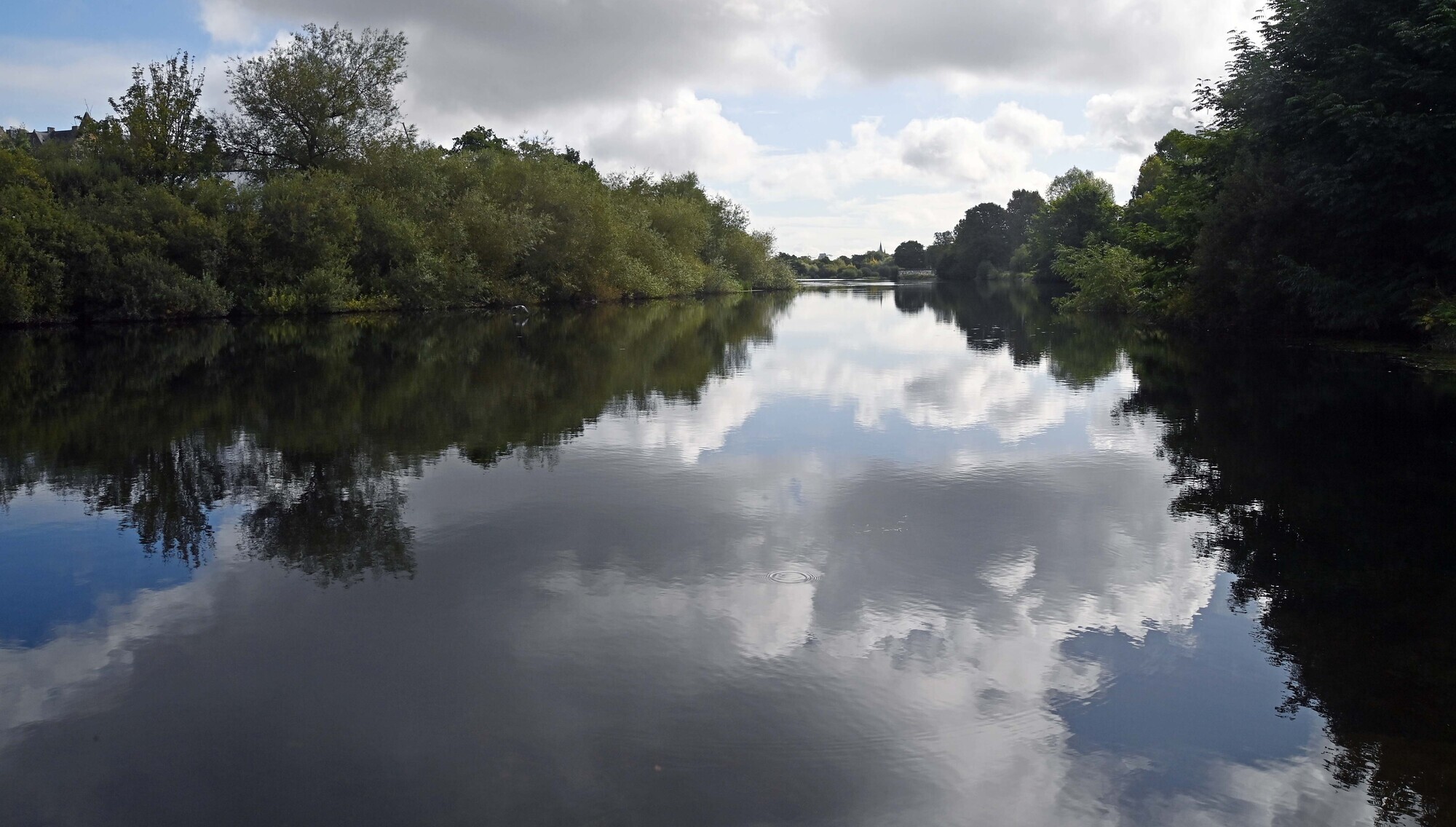
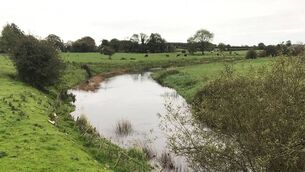
Solar farm will stretch across 14 townlands in the Lee Valley in Cork. File picture Denis Minihane
An Coimisiún Pleanála has approved the development of a large-scale solar farm across 14 townlands in the Lee Valley in Cork, which had been refused planning permission by Cork County Council.
The commission upheld an appeal by the developer of the project, Aglish Solar Farm Limited, against the council’s ruling on its proposed 100MW solar farm spread over 161 hectares, with panels up to 3.25m in height.
It will be located across six parcels of land on the southern bank of the River Lee, about 1km south of Coachford, Co Cork.
Council planners had rejected the plans by Aglish Solar Farm, whose main shareholder is the renewable energy firm, Terra Solar.
Read More
They claimed the company had not demonstrated sufficient archaeological investigations had been undertaken to guide the proposed development towards preserving in-situ archaeological features on the site.
The council concluded it could not make an informed decision after the developer chose not to undertake a requested geophysical survey of the lands, which contains five protected structures.
However, the commission said the proposed solar farm was in accordance with European, national, and regional renewable energy policies, and would align with the provisions of the Cork County Development Plan 2022-2028.
Subject to compliance with a number of planning conditions, it said the development would not have an adverse impact on the cultural and archaeological heritage of the site and surrounding area.
The commission was also satisfied the solar farm would not unduly impact on the local landscape and would not pose a road safety hazard.
It noted the project would “make a positive contribution to Ireland’s renewable energy and security of energy supply requirements”.
The commission also concluded it would not have a significant adverse impact on water quality, wildlife, or properties in the vicinity.
In a 183-page report, a planning inspector with An Coimisiún Pleanála said he was satisfied the developer had provided “a robust archaeological assessment”.
The inspector said it was reasonable to assume the proposed development would be unlikely to have a significant impact on sub-surface archaeology if there was a strict requirement to adhere to specified archaeological measures.
The company, which has been involved in 10 other solar farm projects in Cork, said it had engaged an experienced archaeological consultant, who had assisted with the layout design of the solar farm.
It noted it had revised its original plans to ensure there would be no residual risk to any unknown archaeological features in response to a request for further information from council planners.
Aglish Solar Farm said it was also fully committed to completing a geophysical survey and testing prior to any works on the site.
In its appeal, the company said the council’s claim the site had the capacity to contain sub-surface archaeology which could be negatively impacted by the solar farm was unsubstantiated.
More than 200 third-party submissions were made to Cork County Council about the proposed solar farm with 69 observations made to An Coimisiún Pleanála including from Farran Community Association.
CONNECT WITH US TODAY



Be the first to know the latest news and updates