Step back in time to explore the island stronghold of Mayo’s warrior queen
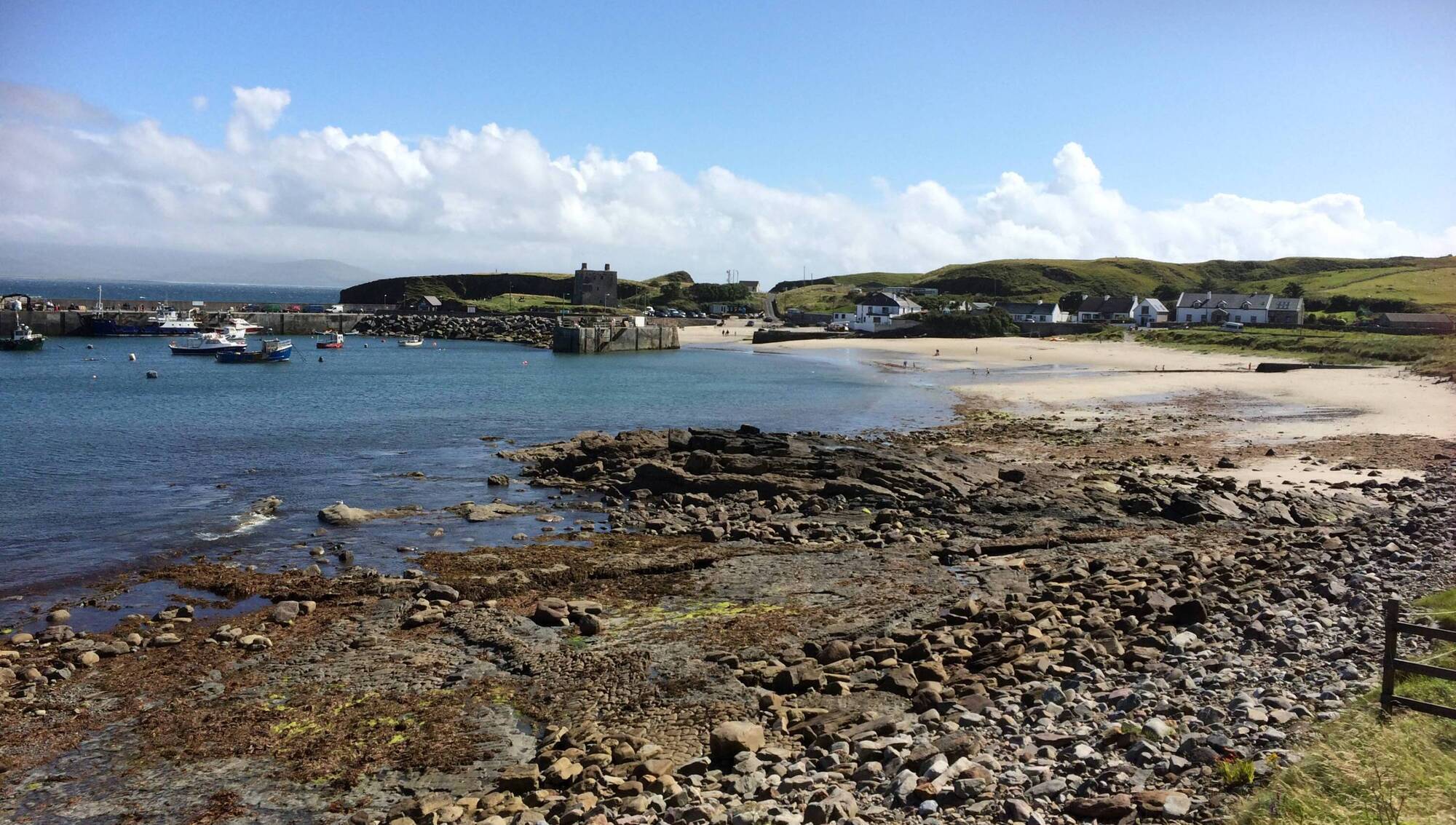
Clare Island Harbour, with Clare Island Castle, the 16th century Grace O’Malley stronghold, visible in the background above the harbour walls.
In every generation, there are free-spirited people who resolutely refuse to accept the constraints of society. One such was Mayo woman Grace O’Malley, who was born in 1530. Known as Granuaile or Gráinne Mhaol (Bald Gráinne), she earned this moniker by cutting her hair to disguise herself as a boy and thus be allowed to join a ship’s crew.
In medieval times, gender roles were rigidly defined with social and economic structures that had men in public, powerful roles, while women were largely confined to the home. Defying the societal expectations that constrained women, Grace became the chieftain of the O’Malley's. The clan held territory in and around Clew Bay, Co Mayo, but the family tradition was a seafaring one. Following in their footsteps, Grace became a seafarer and pirate who exacted black rent from those fishing off the West Coast of Ireland. Primarily based on Clare Island, she commanded a fleet of ships and a small army.
Nevertheless, she fiercely resisted English encroachment on her territory, leading the Governor of Connacht, Sir Richard Bingham, to label her "nurse to all rebellions for forty years.” She was also happy to utilise the English policy of surrender and regrant. To secure her lands and autonomy, she pledged allegiance to the English crown and was regranted her lands before returning to rebellion when the opportunity presented.
At one time, she famously went over the heads of English authorities in Ireland. Taking a huge risk, since she was regarded in England as a rebel and pirate, she sailed to Greenwich Castle near London. Managing to gain an audience with Queen Elizabeth I, she directly petitioned the English monarch to release family members from captivity by Sir Richard Bingham, the English-appointed governor of Connaught. Impressed by this chutzpah, the Queen ordered Bingham to set her family members free.
If you would like to follow in the footsteps of Mayo’s warrior queen, Clare Island is reached by ferry from Roonagh Quay. On disembarking, you will immediately be drawn to explore the harbourside castle. Not open to the public at the time of writing, this was the Grace O'Malley stronghold, a defensive tower house built during the turbulent 16th century in Ireland.
Now, head west along the increasingly isolated road to Toormore, which draws you towards the great bulk of Knockmore Mountain. Instead of making a direct ascent, it is easier to head for the island’s west coast, about halfway between the mountain and a ruined Napoleonic watch tower.
Turning right from here, you ascend the flanks of Knockmore, with great sea cliffs tumbling to your left. Before doing this, you should remember that this is a challenging outing on trackless and featureless mountainside. Navigation skills will be required in mist and you should be kitted out appropriately for fast-changing West of Ireland weather.

When you reach the mountaintop, you will find it is denoted by a large cairn and trig point. Expansive views will now unfurl to the mountains of Achill Island and the lonesome expanse of the Nephin Mountains, which hold Ireland’s last great pristine wilderness. To the east is a series of drowned drumlins, the summits of which now form the reputed 364 other islands of Clew Bay.
Descend by the edge of the great northern cliffs while being careful not to go too near the edge. When the slope eases, join a zigzag path meandering southeast to gain a public road beside two picturesque lakes.

Turn right here, and this takes you to Clare Island Abbey, a 13th-century Cistercian foundation, which is reputedly the last resting place of Grace O’Malley. Here, it is well worthwhile going inside for the beautiful stonework on the canopied tomb of the O’Malley clan and the walls and ceiling of the chancel. Obviously, there was money in piracy, as these are lavishly decorated with some of the finest medieval paintings in Ireland.
Afterwards, go right and then left to walk the picturesque Coast Road for about 2km to reach the Harbour, having enjoyed an outing of approximately 4 hours. Here, you will doubtless be glad to discover the local community has created the infrastructure to welcome tourists, with the well-appointed Community Centre Bar offering beverages and cuisine.
- Note: Clare Island Abbey was open daily during the summer. In winter, a key is available from the caretaker at the nearby O’Malley’s Shop.
- Ferries to Clare Island primarily depart from Roonagh Pier, near Louisburg. Information on sailings at, clareislandferry.com or omalleyferries.com.