The invisible carbon in Ireland’s waters
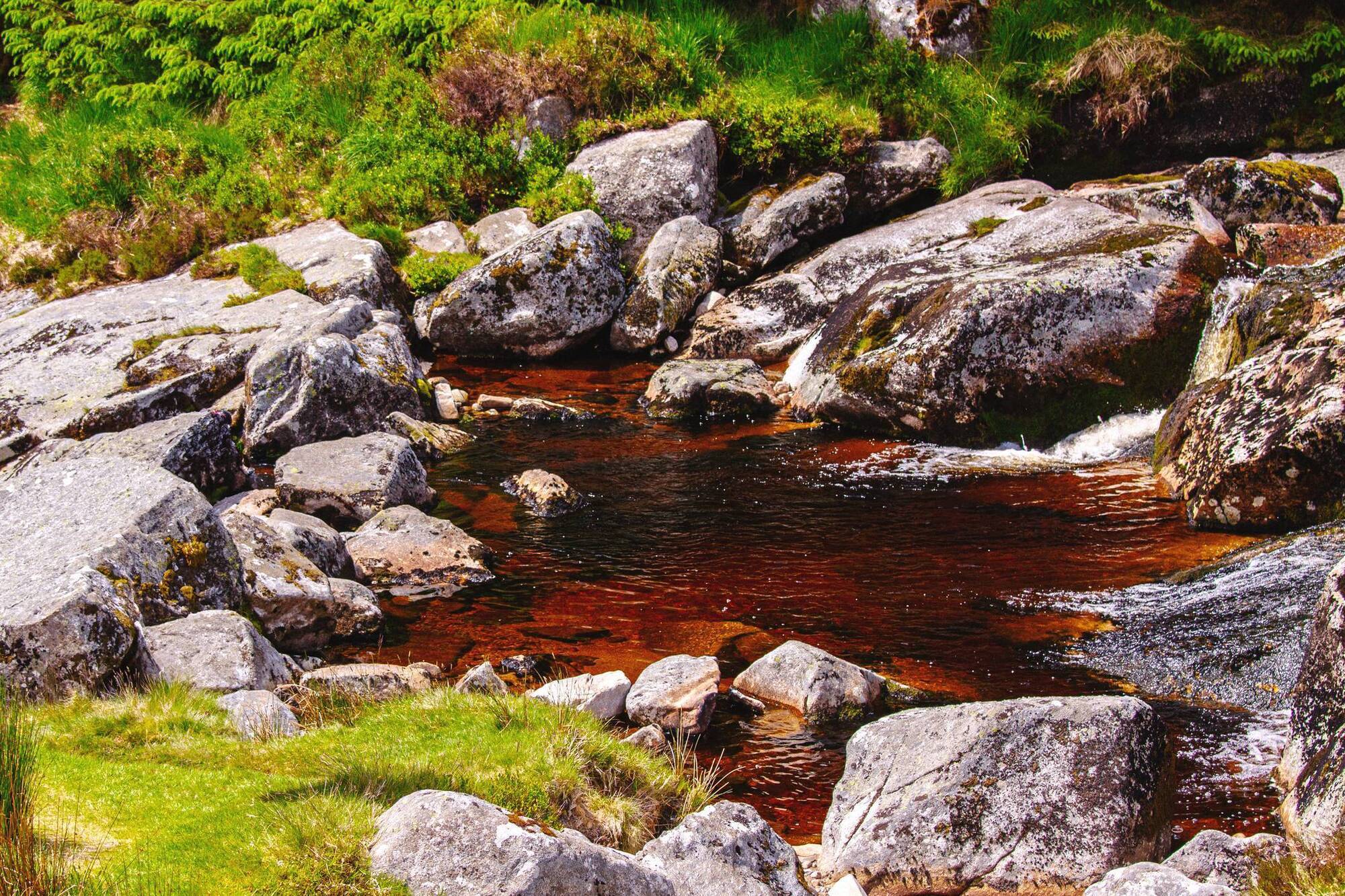
Leaves, roots, mosses and microbes all contain carbon. When they decay, some of that carbon doesn’t become a gas, it becomes a tea-coloured solution that flows from land into streams and lakes
Most of us think about carbon as something in the air, like carbon dioxide and methane. But a huge amount of carbon is also moving quietly through our landscapes, seeping through soils, and flowing into our rivers and lakes. This form of carbon is called dissolved organic carbon, or DOC. And it may be one of the most underestimated pressures on Irish waters.
DOC is exactly what it sounds like: carbon from plants, soils and peat that has dissolved into water. Leaves, roots, mosses and microbes all contain carbon. When they decay, some of that carbon doesn’t become a gas, it becomes a tea-coloured solution that flows from land into streams and lakes. If you’ve ever seen a bog pool that looks like strong cup of Barry’s tea, you’ve seen DOC in action.

CLIMATE & SUSTAINABILITY HUB
CONNECT WITH US TODAY



Be the first to know the latest news and updates