Prep for warmer, drier summers — and wetter winters
€6.6million in research funding for environmental and climate challenges has been announced, with a closing date of May 29 
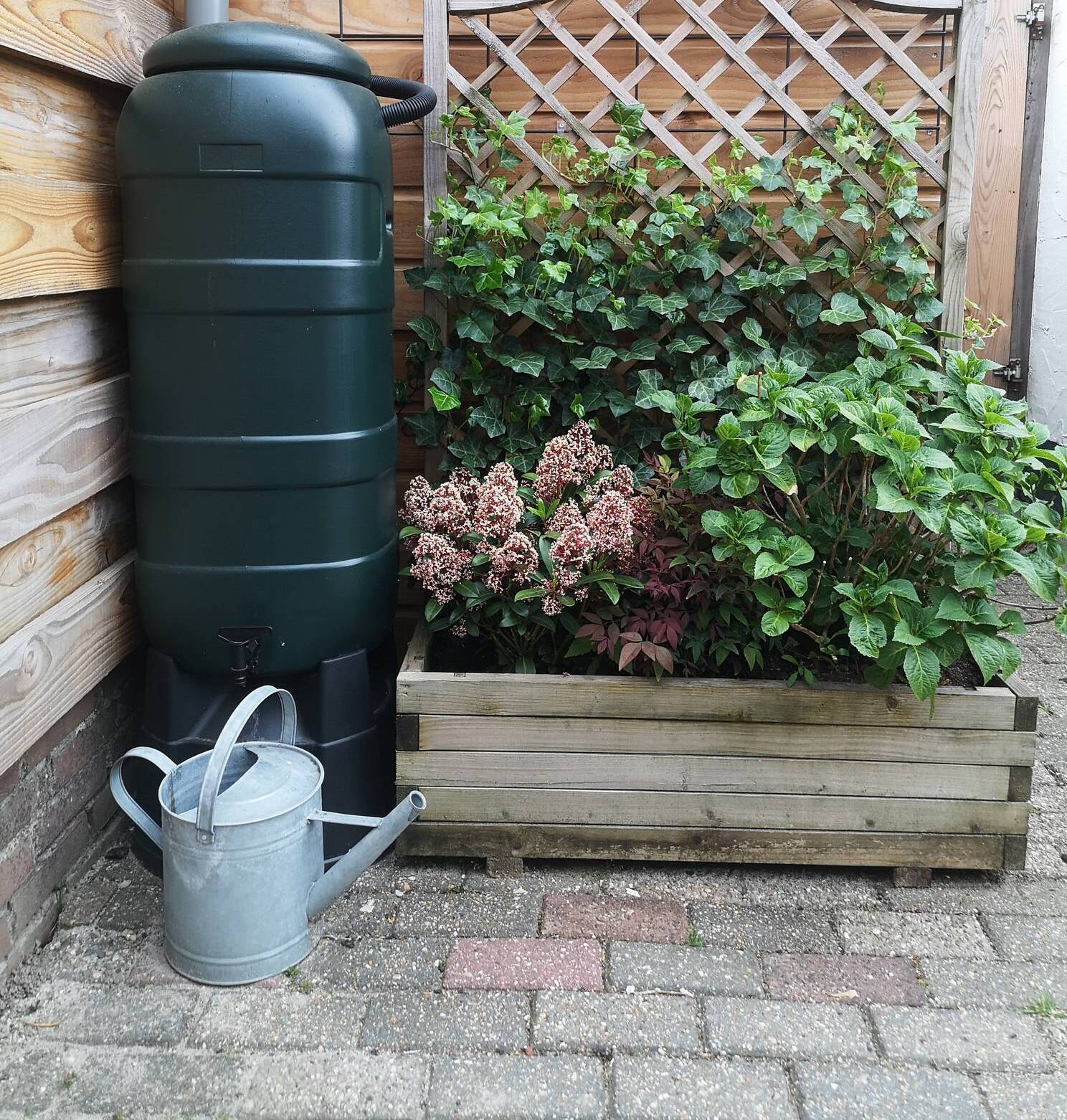
Water butts are a relatively simple option in reducing water usage. Less water goes down the drain which reduces pressure on the network. And collecting rainwater can help reduce the risk of flooding.

Water butts are a relatively simple option in reducing water usage. Less water goes down the drain which reduces pressure on the network. And collecting rainwater can help reduce the risk of flooding.

It's beyond time to be preparing for wetter winters, and warmer, drier summers. Climate change scientists predict lengthy periods of drought and consequent water restrictions.

All of which makes highly relevant a €6.6million EPA announcement for new research into environmental and climate challenges. Twenty-nine topics have been chosen, including how we can ramp up the reuse of water.

Water storage, or harvesting, is not so common in Ireland but has long been taken for granted in warmer, drier countries such as Spain.

Typically enough, our wise and practical ancestors also engaged in this practice. Time was when many houses had a barrel, or trough, to catch rainwater falling from roofs through downpipes. This water was used for basic tasks like washing and gardening. Similarly nowadays, harvested rainwater is also used for non-drinking purposes.

Dr Ruth Quinn, of Atlantic Technological University (ATU), Sligo, who has researched the subject, says that while we regard Ireland as a water-rich country, there are areas with significant shortfalls.

Dr Ruth Quinn, Atlantic Technological University (ATU) in Sligo

Dublin and the south-east regions are seeing more water restrictions. Even in the West, Inis Oírr, in the Aran Islands, requires regular, expensive water shipments, while numerous other water sources across the region drop to low levels, especially in summer.

Collecting rainwater in the wetter West of Ireland could meet more than 20% of a household's annual water consumption. In contrast, only about 10% could be supplied in the south-east, dropping to 5% in the driest month.

In an RTÉ Brainstorm podcast, Dr Quinn, a lecturer in civil and water engineering, points out that, in some places, combined sewers collect wastewater and stormwater runoff from streets, and other surfaces in urban areas; all of which flows through the same pipes to wastewater treatment plants.

The problem is that the volume of water entering the combined sewer system can exceed its capacity during heavy rainfall, leading to an overflow of untreated sewage.

“This is particularly problematic in coastal areas where discharges enter the sea and interfere with local activities such as water sports, potentially causing not only damage to the ecosystem, but also a health hazard," Dr Quinn says.

Uisce Eireann has information on the benefits of waterbutts and on how to install one at water.ie/conservation/home/water-butts

A report by Cork Institute of Technology (CIT) for the EPA recommended that water reuse should focus on internal recycling in industry and agriculture (crop watering) in line with international trends.

And, a flashback to former times — Uisce Eireann is asking householders to use plastic containers (waterbutts) which can easily be attached to rainwater drainage systems and downpipes from roofs. The containers can be purchased in hardware and DIY stores.

We use an average of 133 litres of water per person each day.

More in this section

Revoiced

Newsletter

Had a busy week? Sign up for some of the best reads from the week gone by. Selected just for you.

Cookie Policy Privacy Policy Brand Safety FAQ Help Contact Us Terms and Conditions

© Examiner Echo Group Limited