Richard Collins: 150th anniversary of geologist with lunar and Martian craters named after him
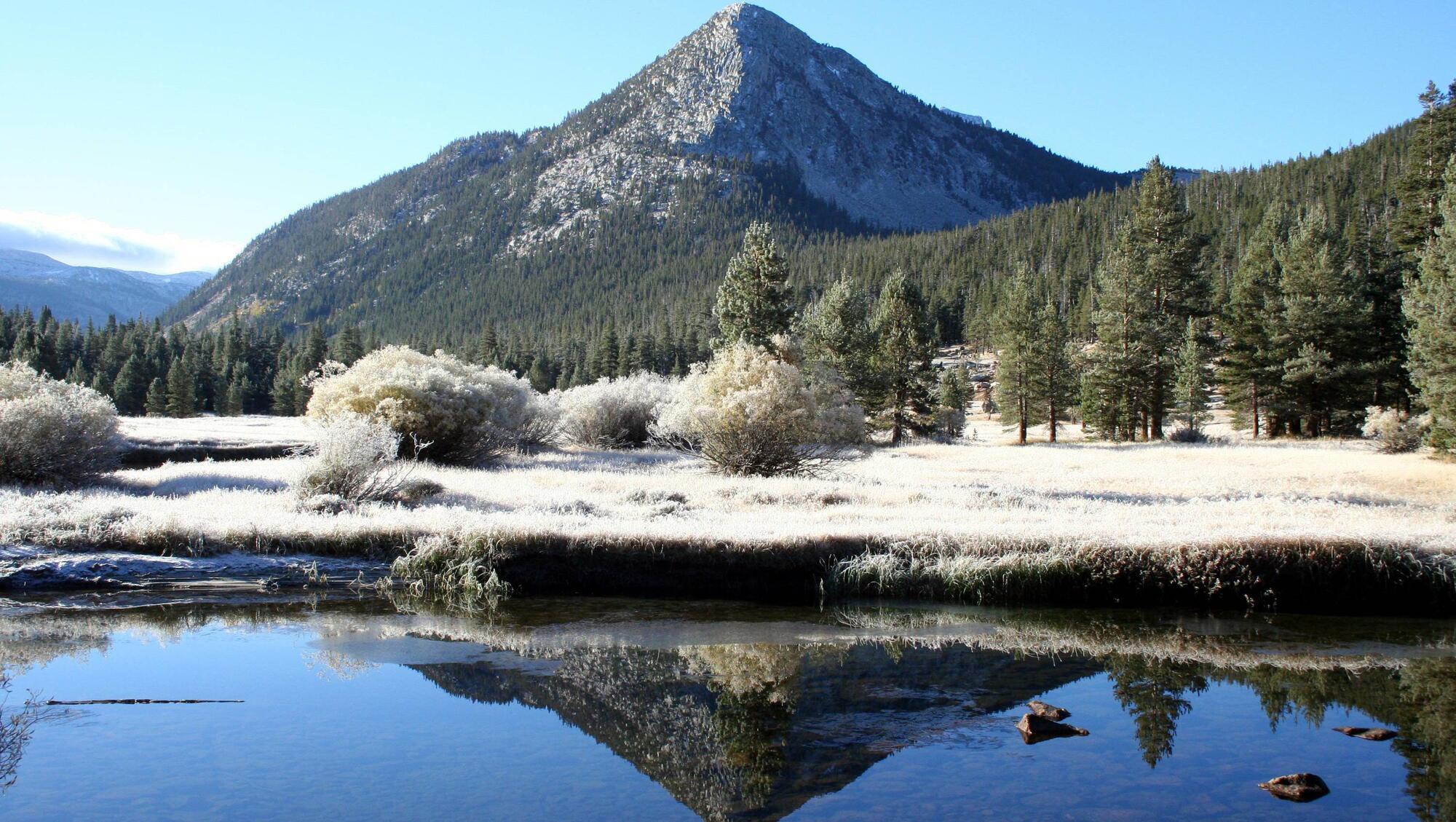
Lyell peak and canyon in Yosemite National Park
February 22, 2025 will be Charles Lyell’s 150th anniversary. This great Scottish geologist, who is buried in Westminster Abbey, was immensely influential in his day. The highest peak in Yosemite National Park is called after him. So are craters on the moon and on Mars.
At Oxford, Lyell attended William Buckland’s lectures on geology. Buckland was a ‘gap’ creationist. He believed that the world had been created by God in six 24-hour days, but in two periods with a long time-gap between them. This helped reconcile the Genesis account of creation with recent discoveries that our planet is very old.
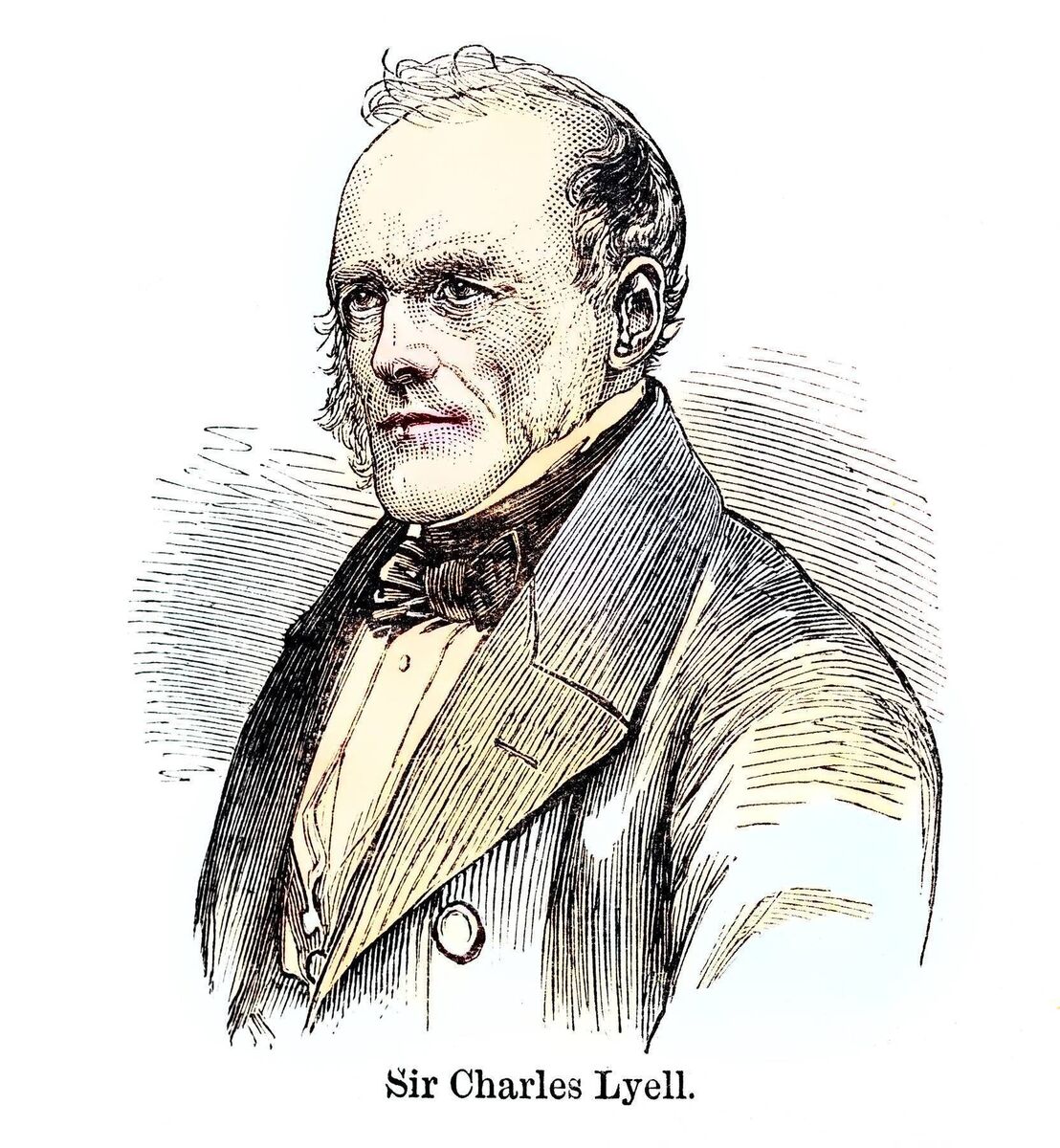
In Lyell’s day, the study of the Earth and its land-forms was based on biblical references rather than on fact and observation. The theory known as ‘catastrophism’ held sway. It claimed that landscapes were shaped by short-lived sudden events such as the biblical flood. These upheavals, it was thought, also explained the extinction of strange animals, fossils of which were coming to light.
But an alternative theory, later known as ‘uniformitarianism’, was emerging. According to it, small but relentless changes, taking place over very long periods of time, had created the geological features we find today.
But Buckland also emphasised the importance of meticulous observation and accurate recording. This led Lyell to visit places of geological interest in Britain and mainland Europe. A depiction of the Temple of Serapis, near Naples, became the front-piece of his great book, . In 1830, Lyell published its first volume, subtitled "being an inquiry into how far the former changes of the earth’s surface are referable to causes now in operation". Two further volumes followed.
Lyell showed that no special catastrophes were needed to account for the landscapes we find on Earth today. Processes, still acting, had shaped the planet over vast periods of time. These were ‘the alphabet and grammar of geology’.
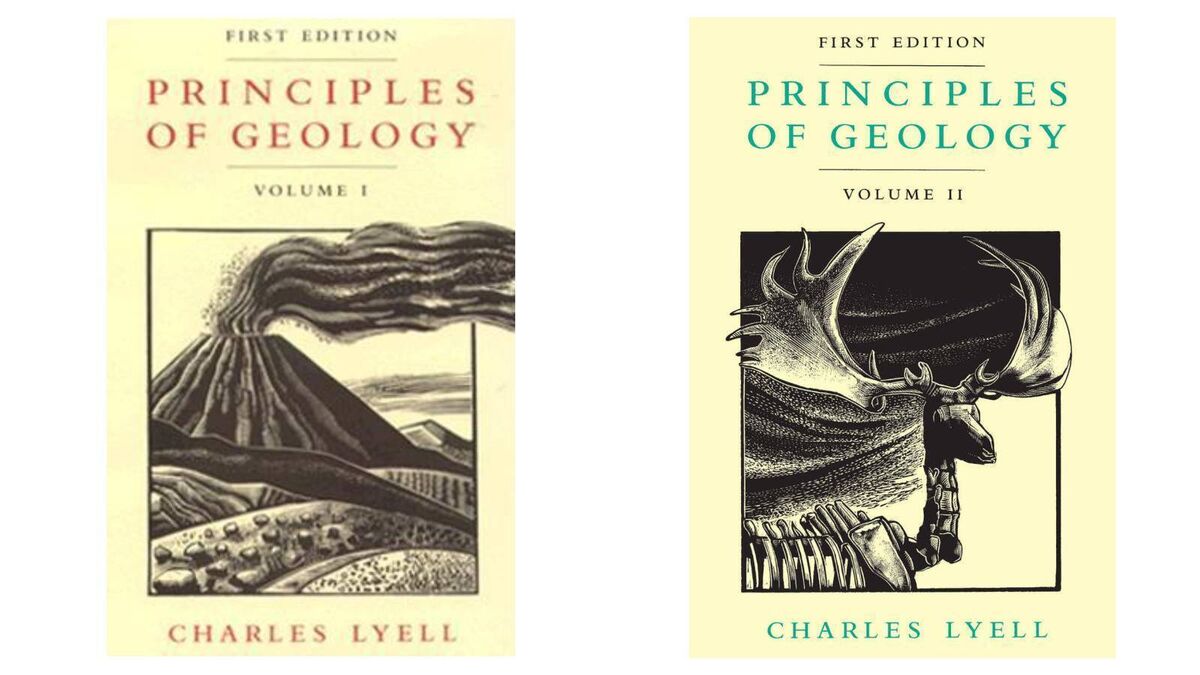
The book was well received by uniformitarians but it alarmed the catastrophists. They thought that it opened the door to Lamarck’s ‘transmutation of species’, which we now call ‘evolution’. But Lyell, following Buckland, wanted to retain a role for religious doctrines in geology. He rejected the suggestion that humans had evolved from other animal species. In the second volume of his magnum opus, he tried to counter Lamarck’s claims.
But, in doing so, he let the genie out of the bottle. The catastrophist fears were justified; Lyell’s work helped open the door to ‘tranformism’. Like the slow changes shaping rocky landscapes, the suggestion that animal and plant species underwent similar ‘transformation’ seemed plausible.
The was one of the books Darwin took with him on The Beagle. Indeed, he once described himself as its author’s ‘zealous disciple’. Lyell knew both Darwin and the other discoverer of the principle of natural selection, Alfred Russel Wallace.
In his , published in 1863, Lyell finally accepted the ideas of Darwin and Russel, which inadvertently he himself had helped promote. It is also to Lyell that we owe the division of the Tertiary Period (65 million to 2.6 million years ago) into the ‘Eocene’ ‘Miocene’ and ‘Pliocene’, the ‘early’’ middle’ and ‘late’ ages.
CONNECT WITH US TODAY



Be the first to know the latest news and updates