Richard Collins: Slug-inspired glue could even work for heart surgery
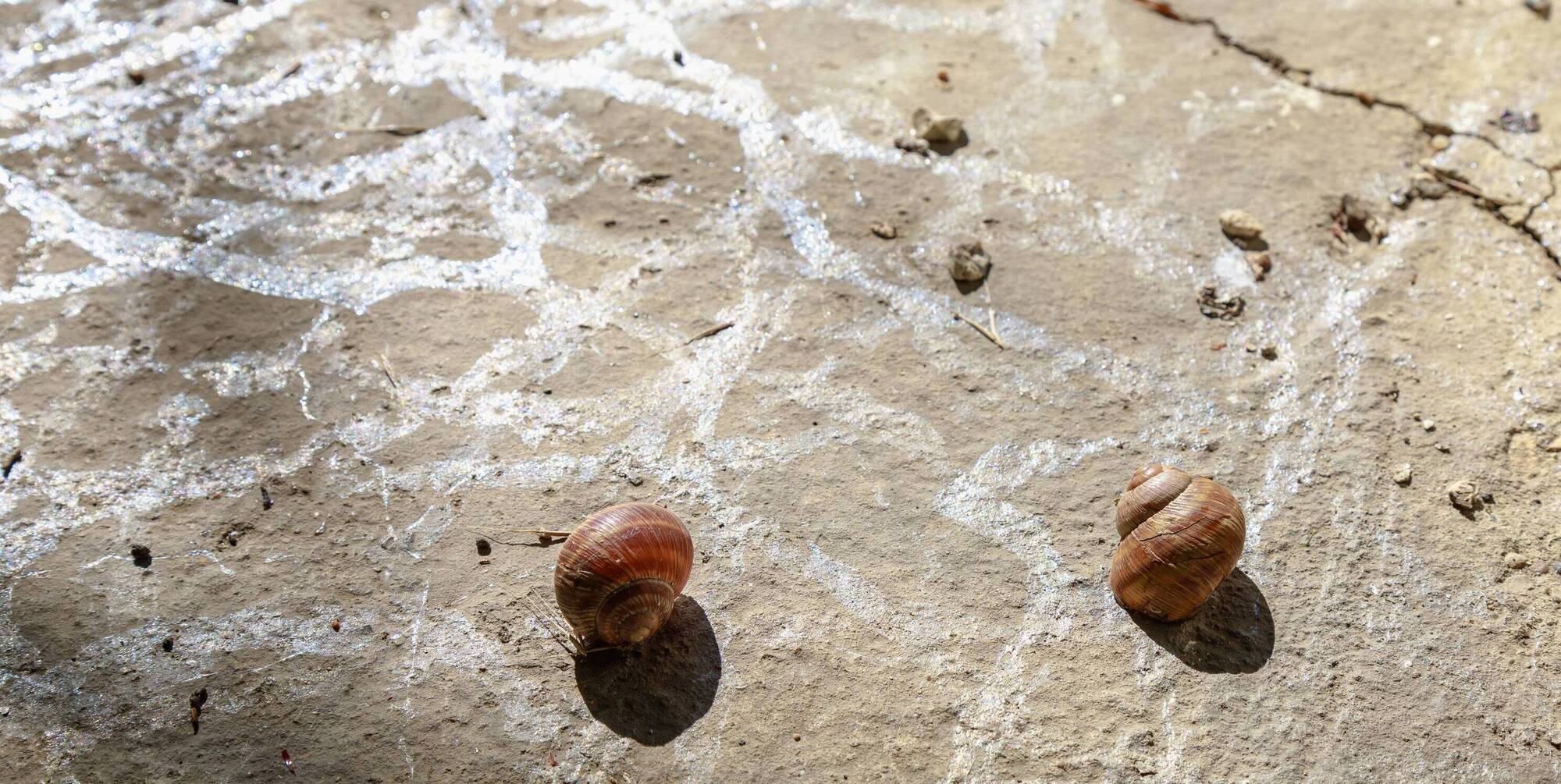
Snails — and slugs — lay down trails of mucous enabling them to slide even over rough dry terrain
"The snail has devised a home that is both exquisite and functional" — Frank Lloyd Wright
I had a wisdom tooth removed a few years ago. Having the gum stitched up at the end of the ‘procedure’ was not a pleasant experience. The humble garden slug could have helped, but we didn't know about that particular skill back then.
The Royal Horticultural Society, I am happy to say, has lifted the death sentence amateur gardeners imposed on slugs and snails. According to the Society’s website, these molluscs should not be persecuted. "Slugs and snails are beneficial", it says. They are "recyclers feeding on dead leaves dung and even dead animals" and "an important food source for other garden wildlife, including birds beetles and reptiles". Feasting in compost bins these cool self-effacing creatures, with eyes out on stalks, turn plant-waste into fertiliser. Come back gastropods all is forgiven!
But now there’s another reason to exonerate the humble slug; recent research suggests that this despised little creature can make an important contribution to medical science.
Slugs are ‘shellakybookies’ which don’t carry their houses around on their backs. Like snails, they lay down trails of mucous enabling them to slide even over rough dry terrain. The slimy path also serves as a communications channel, informing the local gastropod dating service of the slug’s presence and carnal availability. Being hermaphrodites, their sexual shenanigans are more egalitarian than ours. The slime trail is also their GPS; a slug can retrace its movements along the path it has laid down. Mucus covers the body keeping it from drying out, while the vile-tasting repellents it contains will upset the tummies of predators.
They may have a reputation for being lazy — sluggish — but gastropods are accomplished climbers of trees walls, and windows. Irish slug expert, Roy Anderson, told RTÉ’s Mooney Goes Wild show recently that one of our Irish species, the tiger slug, is an accomplished trapeze artist. It can abseil down from the branch of a tree, dangling like a spider from a strand of secreted mucous. The texture of slug slime varies depending on the situation. When used by a gastropod travelling along the ground, it’s in liquid form. In a climbing application, however, it becomes more solid.
A team led by Harvard scientist David Mooney, no relation of the RTÉ wildlife personality, has been researching slug mucus. This has led to the development of a new glue which is immensely strong and non-toxic to humans, properties which make it ideal for medical applications. The gel has elasticity which renders it flexible and, most importantly, it is effective in moist situations.
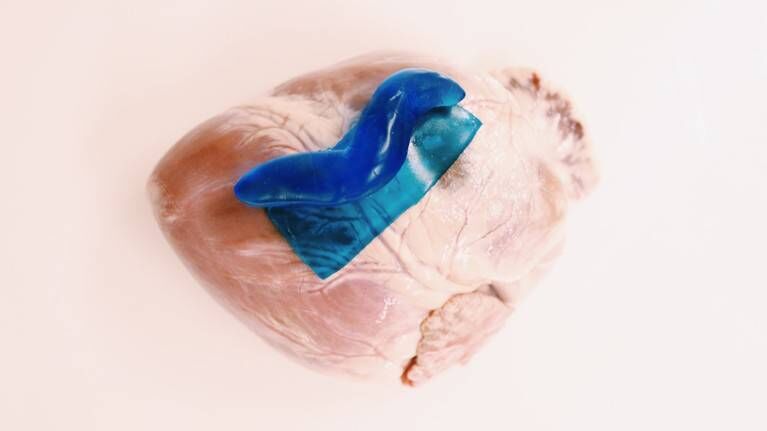
Traditional ‘super-glues’ don’t work in wet conditions such as my mutilated upper-right gum — the insides of living bodies are invariably moist. Surgical incisions, therefore, have to be stitched, which is intrusive and open to infection. The new Harvard-produced glue is much stronger than conventional ones; it won’t rupture even when used to close tissues in a thumping heart.
According to the National Institute of Dental and Cranio-facial Research, "the medical adhesive, made of gummy-like gel and slug-inspired glue, is non-toxic to human-like cells, stretchy like a rubber band, sticky in wet environments, and strong enough to hold on to a beating heart".
I’m sending this article to the by ‘snail mail’...


CONNECT WITH US TODAY



Be the first to know the latest news and updates