CUH boss says hospital 'unsafe' for patients amid shortfall of over 1,000 staff
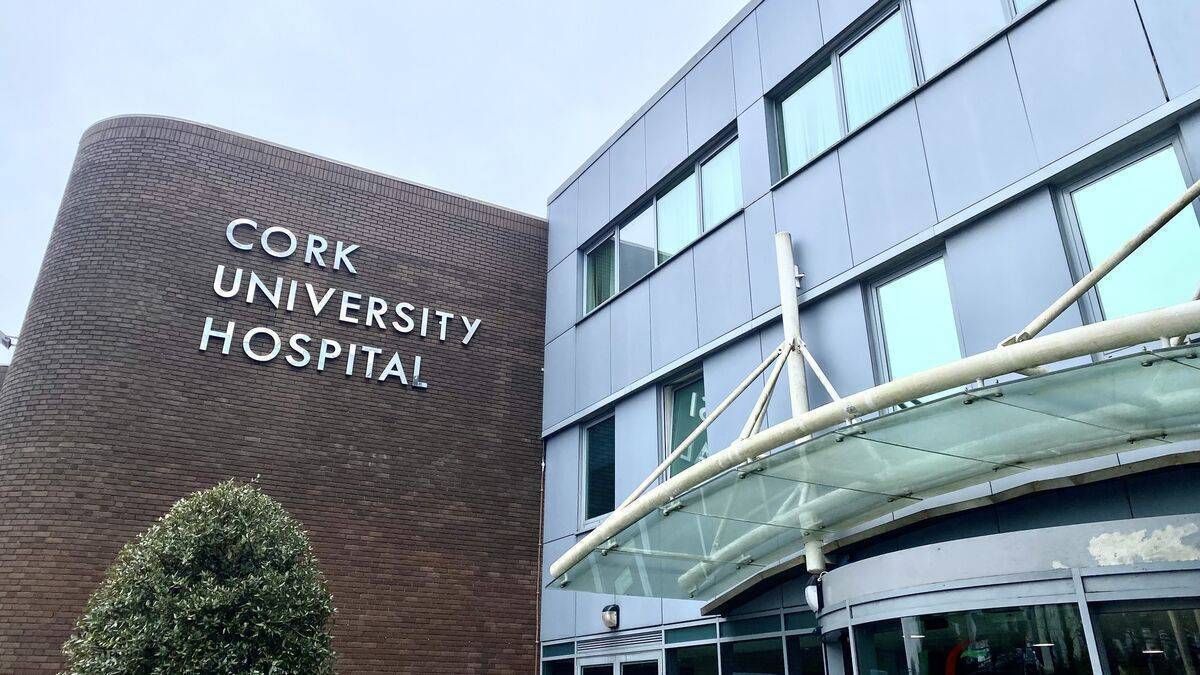
CUH is already reducing capacity, cancelling patients, and 'relying on expensive temporary solutions', its CEO has said.
The chief executive of Cork University Hospital (CUH) has admitted the hospital is not safe ahead of the coming winter in a scathing letter over recruitment sent to the HSE.
Jennifer Kearney told Priscilla Lynch, integrated healthcare area manager for HSE South West, that the hospital is down 1,050 staff.
“My responsibility as chief executive is not simply to comply with a process," she wrote in a letter first reported on RTÉ radio.
"It is to speak clearly when I believe that process is creating a foreseeable risk to patients and staff.
"I would rather raise that concern now, when there is still an opportunity to act, than remain silent and explain afterwards why we did not.”
Read More
Ms Kearney pointed the finger at “increasingly bureaucratic processes” and “a prolonged suppression of recruitment” for the fact that 348 whole time equivalent (WTE) posts are vacant despite funding for them already secured.

Of the total 1,053 affected posts, a further 249 are approved but unfunded, 202 posts identified in National Service Plans have never been filled, 166 WTE are on maternity leave, and 88 on long term sickness leave.
"There is a very real danger that we become focused on whether a post has passed through the correct approval gateway, rather than asking the more fundamental question: Is the hospital adequately staffed to provide safe care to patients?" Ms Kearney wrote.
She said services are already reducing capacity, cancelling patients and "relying on expensive temporary solutions".
Ms Kearney has demanded:
- Immediate escalation of the CUH workforce position to the HSE executive team, with the current list of clinically prioritised funded vacancies reviewed as a matter of urgency;
- A derogation from the current employment restrictions for CUH, recognising the specific patient safety and winter resilience risks facing the hospital;
- Approval of a minimum of 172 priority posts to allow CUH to safely strengthen its workforce ahead of winter.
She said those posts should be drawn from the hospital’s existing list of funded and clinically prioritised vacancies, rather than being treated as new unfunded establishment growth.
Ms Kearney revealed that, at a meeting on May 7, CUH management were “asked to significantly reduce its list of approximately 120 prioritised posts, with the rationale that the number would ‘not look good nationally’.”
She said that on August 17, she was asked again to prioritise posts, including those already awaiting approval, with an expectation to prioritise only four or five posts.
“We should not wait for a patient safety incident to demonstrate that the current position is unsafe,” she said, adding that paediatric neurology, radiology, geriatric medicine, endocrinology, and the St Finbarr’s rehabilitation unit among the areas most affected.
A HSE South West spokesperson said it is working to implement newly introduced employment approval processes and to progress recruitment across all sites.
However, they added: “As of the end of last month, Cork University Hospital (CUH) was operating at 258.67 whole-time equivalent (WTE) staff above its approved workforce limit.
“CUH has continued to increase its workforce during the most recent reporting period. In contrast, other service areas have experienced workforce reductions while continuing to manage significant service pressures and associated risks.”
Irish Nurses and Midwives Organisation assistant director of industrial relations Liam Conway said Ms Kearney's letter echoed the union’s concerns.
“The decision making is so far away from the frontline — it’s having a significant impact on patient care, and there’s a real concern that services will have to be curtailed.
The Irish Hospital Consultants Association (IHCA) said 24 consultant posts in CUH are among those stalled.
It said many consultants were offered and accepted the posts as far back as February, but they have not been provided with formal contracts due to an impasse at national HSE level though some had agreed start dates that have now passed.
IHCA chief executive Jim Daly expressed concern that the reputational damage arising from this could deter healthcare staff abroad from returning to Ireland.
Sinn Féin's David Cullinane said the request to reduce the list of priority posts is “absolutely scandalous”, as reducing the number of posts on a list does not reduce the number of patients who need care.
CONNECT WITH US TODAY



Be the first to know the latest news and updates