Donal Hickey: Will visitor numbers to many outdoor attractions need to be capped?
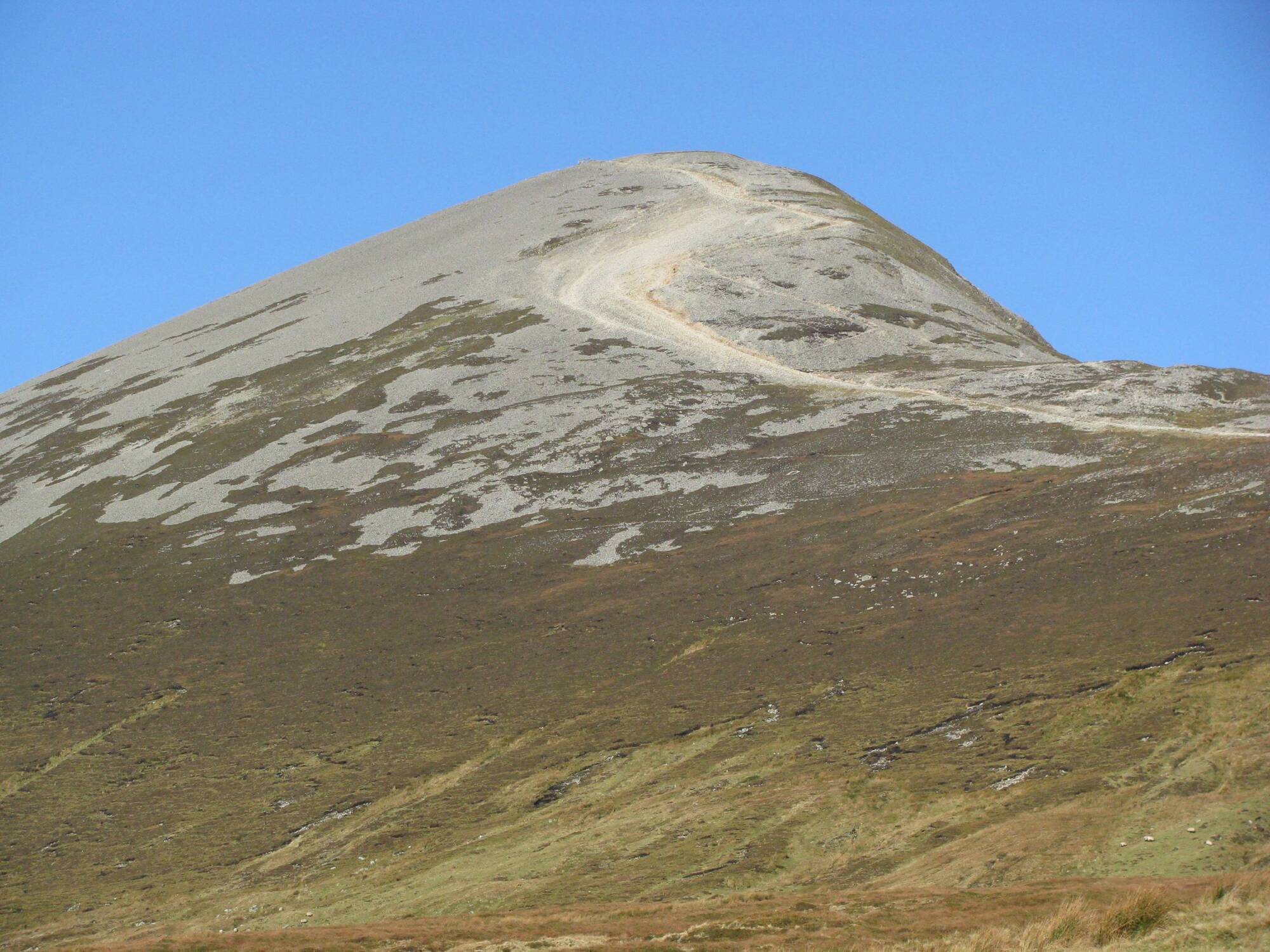
Croagh Patrick is visited by 120,000 annually
HUGE numbers of people enjoyed the outdoors during the May bank holiday and, with summer here, many more are certain to head for mountainous areas which are already under pressure from heavy footfall.
On a recent visit to Mayo, I was taken aback at the eroded state of Croagh Patrick. An already well-worn path to the summit of the sacred mountain has become an ugly scar that can be seen even through the mist.
A local stakeholders’ group has been building a new, stone footpath up the mountain for the purpose of preventing people from walking all over the bare, soft ground.
If you want an example of an over-trafficked mountain, Croagh Patrick, visited by an estimated 120,000 annually, is a good example. It’s a classic case of the effects of ever-growing numbers of people taking part in an expanding variety of outdoor activities on peaty soil.
The story is echoed in the similar terrain of Kerry’s MacGillycuddy Reeks, which include Carrantuohill, our highest mountain. Local farmers and MacGillycuddy Reeks Access Forum are engaged in constant maintenance work on paths and roads, while the influx of hill walkers rises all the time.
In 2018, more than 238,000 walked in the Reeks. Numbers dropped in the last two years due to the pandemic, but some locals expect numbers to hit 300,000, or more, this year.
Recently, the forum and Kerry Unesco Biosphere Reserve held a training course on responsible outdoor recreation, aimed at people working in the hospitality industry who routinely meet visitors to the mountains.
Gerald McEnery, the forum’s development officer, said the message they were trying to get across was for people to respect the mountains and the landowners, whose goodwill allowed access to them. Essentially, the idea is to get visitors to act in a sustainable way.
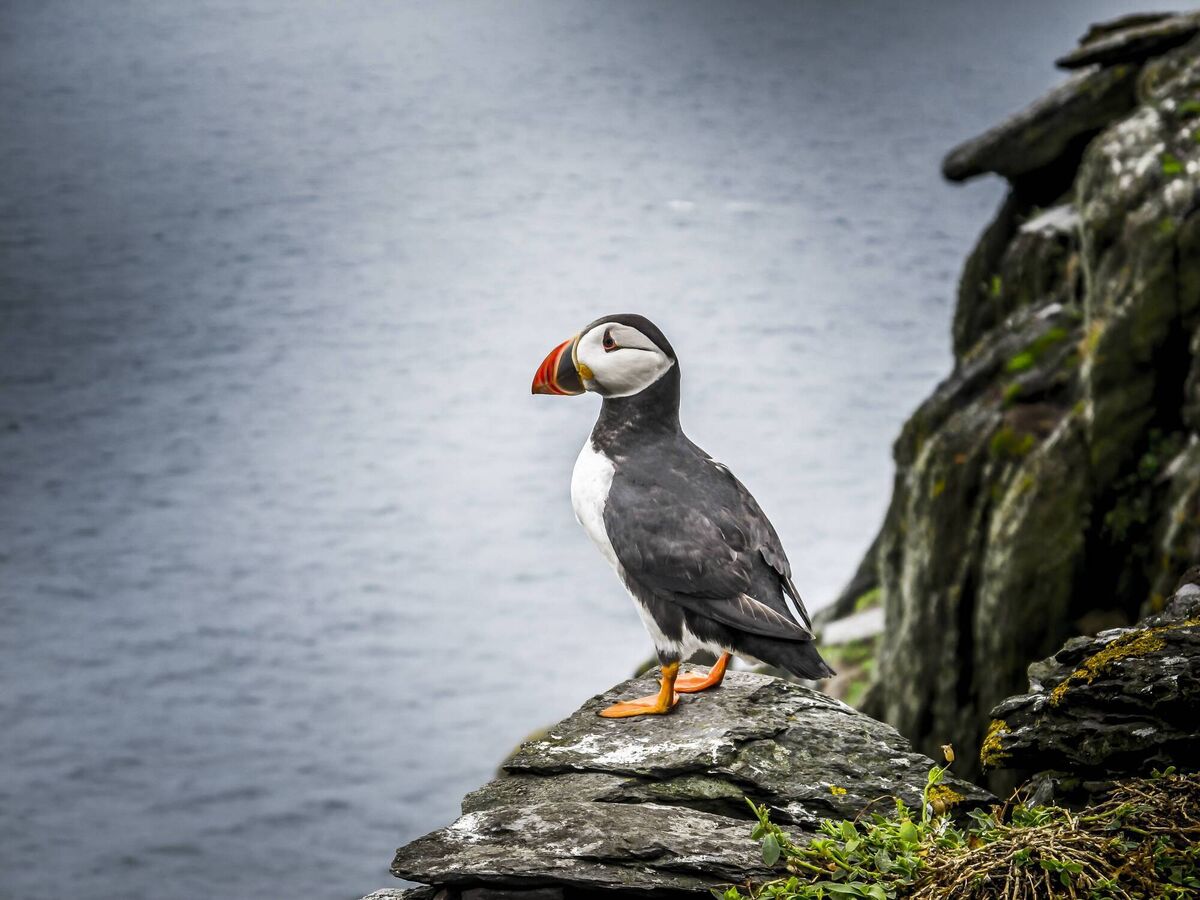
Meanwhile, Skellig Micheal, the Unesco world heritage site off the south-west coast, will shortly open to visitors, who will be limited to a maximum of 180 per day by the Office of Public Works (OPW).
The impact of visitors on the site _ a spectacular cone-shaped rock with monastic beehive huts _ will be closely monitored in the coming years and reviewed annually under a new, ten-year plan by the OPW.
The challenge is to find a balance between sustainable visitor numbers and protecting a fragile, natural and built heritage. Which begs the question: is the day far off when visitor numbers to a great many outdoor attractions will be capped?
Having climbed the 600 steps to the summit of Skellig Michael, and walked among the well-preserved monastic remains, I can vouch for what many proclaim to be a special experience. A truly spiritual place in which to savour nature’s wonders.
CONNECT WITH US TODAY



Be the first to know the latest news and updates