Natural Health: What can I do about my thinning hair?
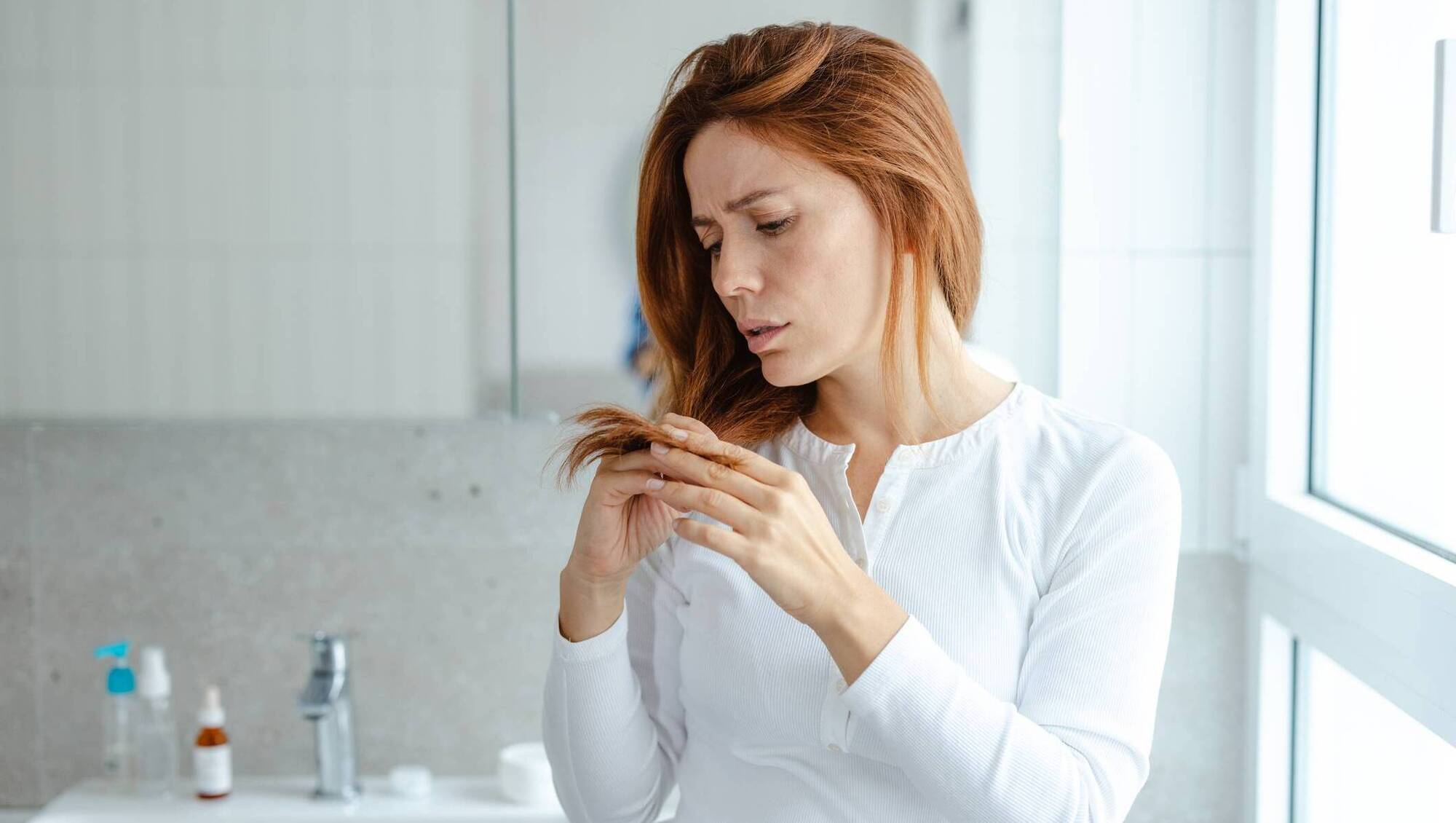
Thinning hair is common around perimenopause, says Megan Sheppard. Picture: iStock
My hair has become noticeably thinner since I started perimenopause. I’ve tried lots of different special shampoos, but they haven’t made a difference. My diet is pretty good, and I’m making sure that I drink plenty of water. What treatment would you suggest?
Thinning hair around this time of life is a common issue experienced by women, along with other perimenopausal symptoms. Side effects of this complaint can extend to the loss of lashes and brows, peeling or flaking nails, dry skin, and changes in the health of teeth and gums.
These symptoms are linked to the decline in progesterone and oestrogen production. Inflammation may also contribute to some of these changes.
Stress is another factor that can play a role in thinning hair, while hair loss itself can be stressful, creating a vicious cycle.
It is important to organise blood tests before deciding on a specific course of action, since thinning hair can be linked to several other conditions, in particular, thyroid imbalance. I’d suggest you ask your GP to include a thyroid test marker, as standard bloodwork may not include it.
Including plenty of essential fatty acids (EFAs) in your diet will help provide the nutrients that your body needs to reduce inflammation and nourish your hair from the roots. Flaxseed, borage, and evening primrose oil are all great choices since they also help to balance hormone health.
The B vitamins are critical to maintaining condition, strength, and thickness of hair, with biotin deficiency in particular a common trigger for hair loss. The B vitamins are best taken together, so choose a complex that will deliver 1,000mg of biotin daily. Selenium supports healthy hair growth, with a deficiency in this mineral being a very common issue. You will need to take 200mg twice daily.
Menopause Care Ireland, based in Cork, is a good place to go to for information. Dr Sinéad Hurley and Dr Fionnuala McSweeney are both advanced menopause specialists accredited by the British Menopause Society who provide an individualised holistic approach to perimenopausal care, balancing HRT and alternative remedies. Check out their website at menopausecareireland.com.
I always thought that athlete’s foot was a summer condition, but mine hasn’t fully cleared up. Is there a natural product I could use?
How frustrating to have such a persistent infection. It indicates that your immune system could use some extra support.
The body’s ability to fight fungal infections depends in part on a specific group of white blood cells called T-lymphocytes, or T-cells, which are produced in the bone marrow, mature in the thymus gland, and are then released into the blood and lymphatic system. Inherited or acquired deficiencies in T-cell function can increase our susceptibility to certain fungal infections.
The active ingredient in garlic, allicin, works to support immunity while specifically fighting fungal infection. Allimax products are a simple and effective way to benefit from allicin, and come in a wide range of options, from liquids and capsules to topical creams and gels. The Allimax range is available from health stores, including Nourish, and chemists.
Keeping your beneficial gut bacteria balanced is another important consideration. This helps to support your body in preventing and healing fungal infections. A probiotic supplement is a good place to start, and you can also add probiotic and prebiotic-rich foods to your diet.
Focus on foods that are whole and unprocessed as much as possible. Sugary, fried, and processed foods throw our gut microbiome out of balance and create havoc with immune health.
- NOTE: The information contained in this column is not a substitute for medical advice. Always consult a doctor.

BLACK FRIDAY
50% off monthly and annual subscriptions.
Already a subscriber? Sign in
CONNECT WITH US TODAY
Be the first to know the latest news and updates