Why do sisters bear the burden of care? The SNL skit that strikes a deep chord
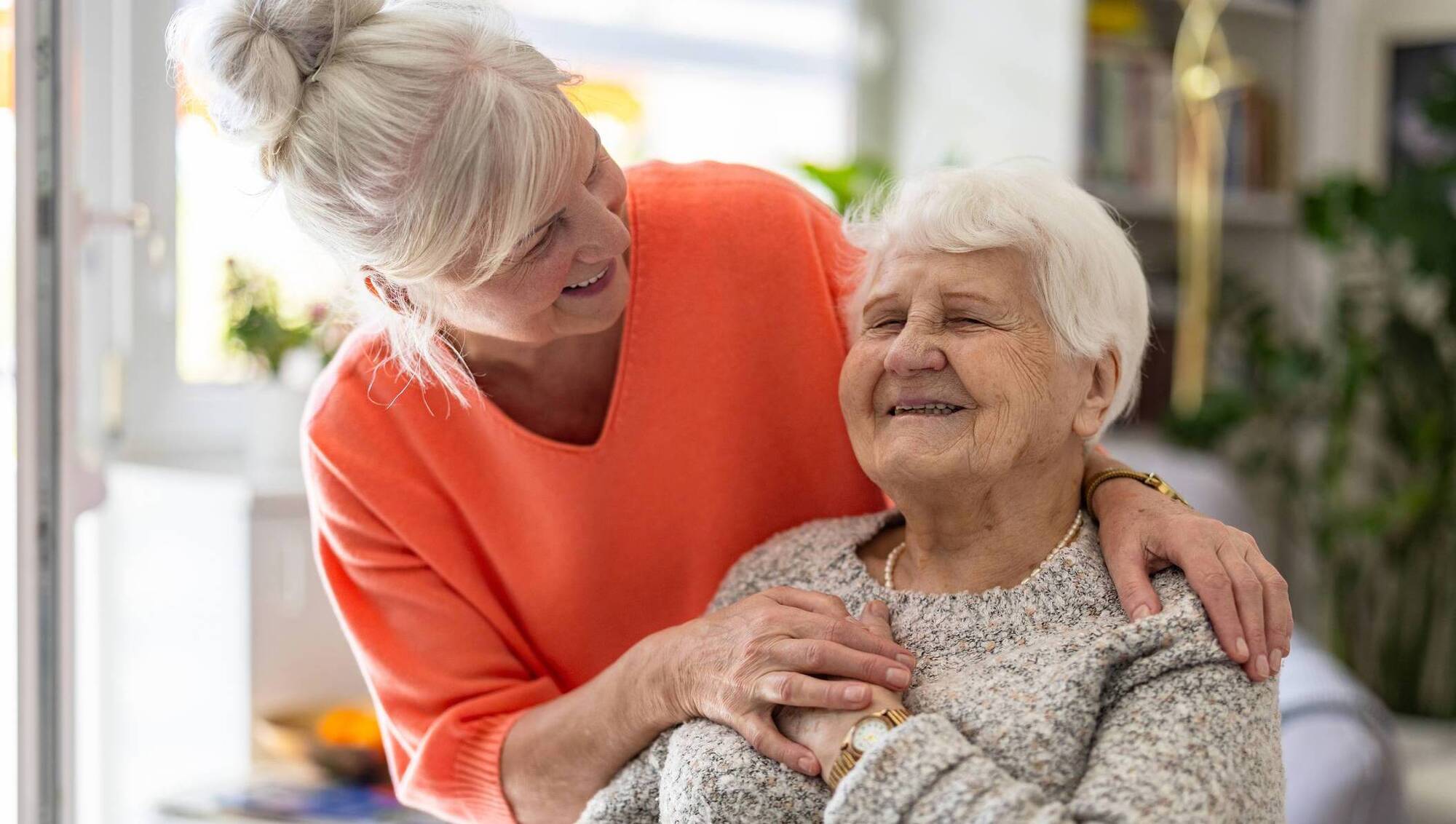
A recent SNL skit about elderly parent care being left to the sisters in a family struck a deep chord.
Why do daughters so often become the default caregivers, and are they choosing this role or being chosen for it? Picture: iStock

Why do daughters so often become the default caregivers, and are they choosing this role or being chosen for it? Picture: iStock

Sarah’s* phone pinged with a message from a friend. She was in the middle of making lunch for her parents and didn’t have time to open it immediately. Both are in their 80s and in declining health, and Sarah often doesn’t get a moment to herself until they have gone to bed for the night.

“It wasn’t until that evening that I clicked on the link in my friend’s text, which brought me to a Saturday Night Live (SNL) Sister skit by comedian John Mulraney,” she says. “And I have to say, it made me wince.”
The skit is presented as an advert in which a man shares his ingenious solution to the problem of ageing parents. That solution is his sister, who provides all the care her parents need for free, allowing her brother to continue his life as normal.

“In many ways, that’s what’s happening with me,” says Sarah. “My brothers and sisters are married with children, and when Mam and Dad started requiring more help, we didn’t even discuss it. I‘m single, and I found myself doing more and more to help them to the extent I’ve had to take a career break, and it’s now my full-time job.”

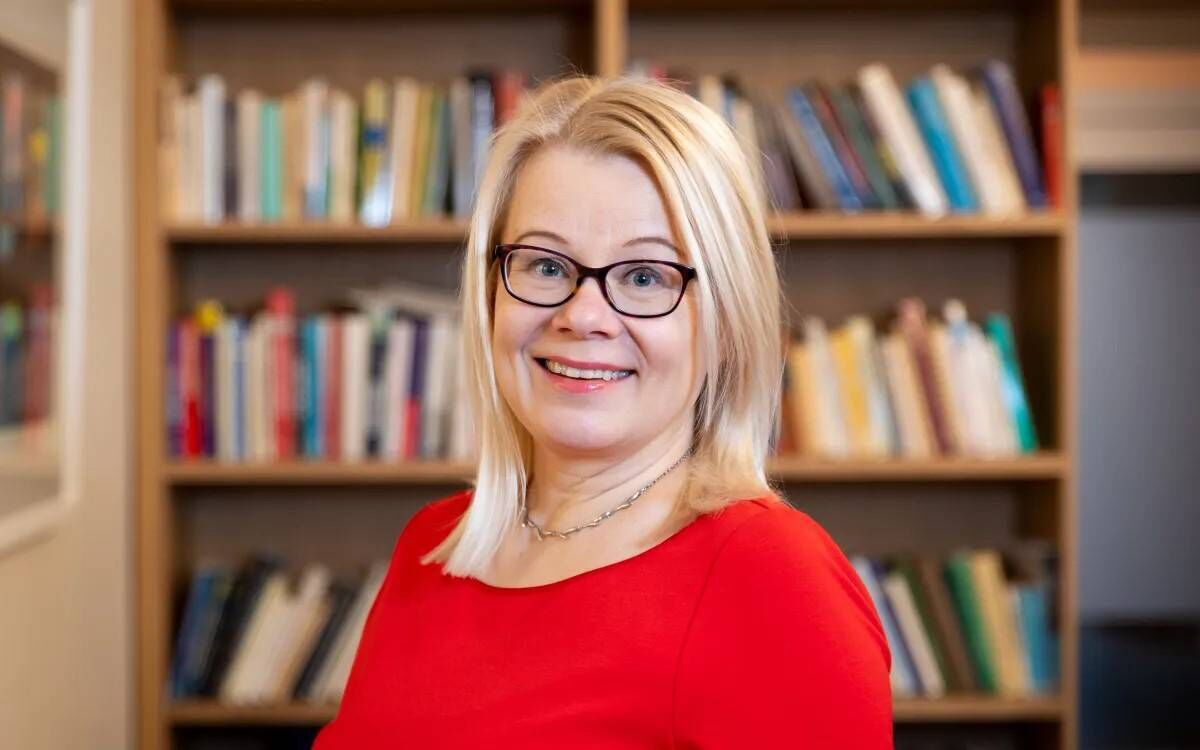
Dr Virpi Timonen, a professor of social research and theory at Trinity College Dublin, understands why the SNL sketch hit a nerve with Sarah.

“It touches on an unspoken truth: when parents age, and care is needed, it’s often daughters who step in to help,” she says. “Statistics prove it. Three-quarters of those receiving carer’s allowance are women, as are 80% of those receiving carer’s benefit. Seven out of 10 women providing care do so alongside paid work. It’s a lot for women to carry.”

When asked why the burden of care falls disproportionately on women, she believes social expectations are at play.

“My two daughters are in their 20s now, and when the second was born here in Ireland, the midwife looked at me and said: ‘Two girls – you’ll be well looked after in your old age.’

"As a Finn, societal expectations in Finland have evolved far from assuming that adult children would be sources of extensive care because men and women’s labour market participation has been high since the 1950s so it’s not assumed that working-age people are available to care for their parents.

“I’ve thought of that midwife’s comment often since and I think it encapsulates Irish cultural assumptions very well.”

Professor Virpi Timonen: ‘Women end up as default caregivers as a result of patterns set in motion years in advance.’

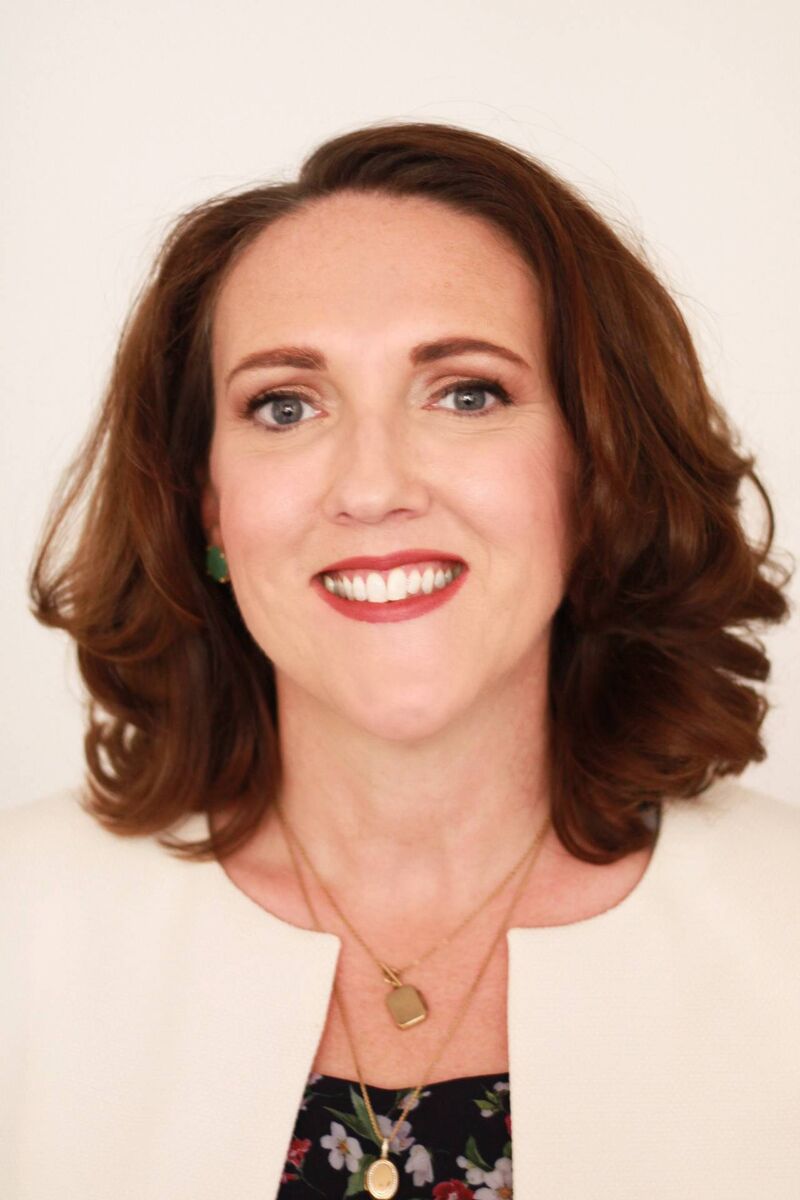
The psychologist and president of the Psychological Society of Ireland Dr Sarah Cassidy believes “gender-typing” may be at the root of the caregiving imbalance.

“It may be unintentional or subconscious, but we often channel children down binary avenues from birth. Dolls and dresses in the girls’ aisle of the toy store versus building blocks and cars in the boys’. Daughters are asked to do more household chores than sons. Girls babysitting and not boys. Over time, women get better at caring than men but the reason usually is that they have had a lot more practice.”

Another factor could be that women are more likely to work part-time than men. According to the CSO, 29% of employed women worked part-time in 2025, compared with 13% of employed men.

“Often this is because they are prioritising caring for children,” says Cassidy. “But working part-time means they are seen to have more flexibility in their schedules for additional caregiving as parents get older.”

She speculates that an additional factor might be that women often choose to live close to their parents for support with childcare.

“Grandparents can be a huge help in looking after children, and subsequently, daughters can feel a sense of duty to return the favour if their parents require care in later years,” she says.

In many families, these circumstances combine to make women feel they have no choice but to assume caregiving responsibilities.

Timonen says: “It’s not common for families to sit down and have rational conversations about who does what for Mum and Dad. Instead, women end up as the default caregivers as a result of patterns set in motion years in advance. If parents have always turned to daughters for help, that’s the pattern that will continue.”

In some cases, gender is prioritised over geography. Timonen has heard of cases where women don’t even need to be living in proximity to their parents for them to be called on to help with care. “Imagine the logistics of arranging home care for parents in Cork when you’re in Canada,” she says. “I’ve seen it happen.”

Dr Sarah Cassidy says caregiving imbalance may come from 'gender-typing'

Expectations vs family dynamics

Daragh Bailey is a systemic psychotherapist associated with the Family Therapy Network of Ireland. He argues that society’s expectations have not kept pace with changes in family dynamics.

“Expecting women to care for their parents might have been reasonable when most of them weren’t working outside the home,” he says. “But most women now participate in the workforce, yet they’re still expected to take on the caregiving role.”

From working with families who have experienced conflict around caregiving, he says those who feel like they are carrying more than their fair share of the load often feel resentment. “They feel like they have been abandoned, with little choice but to take on responsibilities they don’t want to take on while their siblings carry on living their lives.”

Cassidy adds that in many families, “there is often a particular sibling or sister who is more involved than the others. She has likely been the problem solver for years. She may have opted in because she’s naturally inclined or gifted in support roles, so she is the one who goes to doctor’s appointments, checks the post, picks up prescriptions and provides that personal but intimate care that nobody really wants to talk about but has to be done.”

She urges families to acknowledge the work done by these sisters. “Remember to thank her for the work she’s doing and try to take something from her workload. Many sisters simply accept the roles they have fallen into, but if other siblings don’t step up and share the responsibilities, the resulting resentment can cause lasting damage to sibling relationships.”

Mara de Lacy, a Dublin-based clinical consultant and family therapist, points out that people who are pressured into becoming caregivers can also feel resentment towards their parents.

“Especially if their experience of being parented wasn’t very positive,” she says. “A client I worked with used to ask why she should care for parents who hadn’t done a good job of caring for her. Yet she still felt as if she had no other option but to continue looking after them.”

Lack of choice is a common theme among caregivers, says Timonen. “It’s easier for big families where siblings live near their parents and can arrange a rotating rota of care, or where they have the funds to pay for private care. But what if you’re an only child or the only one who lives near your parents? Or what if there isn’t money to pay for care?”

Family therapist Daragh Bailey says women are expected to be both in the workforce and take on the caregiving role 

Taking toll on health

The relentlessness of caregiving can take a toll on people’s health. Research published by TILDA in 2025 found that older carers who provided 50 or more hours of care per week reported poorer quality of life, higher stress levels, and more depressive symptoms than non-carers.

A 2022 study by the University of Limerick showed that carers had a 33% higher risk of developing a chronic condition.

“There is a strong connection between having a caregiving role and being in poor health or having a disability,” says Cassidy. “It’s related to stress and the fact that caregiving is not like a regular job because there is no clocking in and out. You can’t switch off from your loved ones, so you are bound to be exhausted. The cost of caregiving can be the caregiver’s own health and wellbeing, which is too high a cost to pay.”

Timonen would like to see the Government bring in policies to address the problems faced by people caring for their elderly parents. In contrast with the Fair Deal scheme, which clarified the financial supports available to people who needed nursing home care, she says that home care supports are “inadequately funded and inconsistently administered”.

“We know that most older people want to remain living in their own homes for as long as possible, but it’s hard for families to understand or access the supports that are available to help them do so,” she says.

Countries including Germany, the Netherlands, and Japan have long-term social insurance schemes that help pay for home care in old age. Such schemes could work well here.

“They would give families a clearer picture of what they were entitled to,” says Timonen. “They would know they had a certain number of hours of free care or a cash allowance that could be paid to a family caregiver. They could then have a conversation about what needed to be done to fill in any gaps.”

Sarah would welcome any opportunity to talk about elder care and is happy that the SNL skit has prompted discussion.

“Nobody asked me if I wanted to become my parents’ carer,” she says. “I think it was convenient for my siblings to assume I would do it. And I get that in a way. I also want to make sure Mam and Dad are happy in their old age. It’s just that it sometimes gets a bit too much.

“It would have been better if we had sat down to talk about what Mam and Dad’s care at the very beginning. I think I might have asserted clearer boundaries, and even if we had still ended up with me doing most of the work, I’d have felt that it was out of choice, not duty.”

* Name changed

Caregiving Tips

Family therapists Daragh Bailey and Mara de Lacy give tips on how siblings can divide the responsibilities of caregiving fairly so that no one person ends up feeling that they are shouldering too heavy a load.

1. Take a proactive approach and start the conversation before the situation reaches a crisis point.

“Both parents and their grown-up children can have their heads in the sand about this, and they don’t discuss things until after someone has broken a hip or receives a serious health diagnosis,” says de Lacy. “It’s understandable because parents can be scared, and their children don’t want to upset them. But it’s best if the conversation starts while there is still time to consider options.”

2. Bailey encourages parents to consider giving power of attorney to more than one of their children. “Power of attorney is a legal arrangement that lets you appoint one or more trusted people to act on your behalf,” he says. “When this responsibility is shared between several people, the logistical load won’t just fall on one person.”

3. Be ready to stand your ground. “Women are often made to feel as if they should be the responsible, caring ones, but that’s not fair,” says Bailey. “Everyone’s capacity is different, and you need to be able to assert your boundaries.”

4. Try to play to people’s strengths. There are many different aspects to caring. Gardens need to be mowed, and general maintenance tasks need to be carried out around the house alongside cleaning, cooking and personal hygiene. “Mam and Dad may also benefit from being brought out socialising,” says Bailey. “Try to match the tasks to people’s strengths while also being as fair as possible.”

5. If conversations between siblings are difficult and confrontational, book a session with a family therapist. “We’re trained to help people navigate tricky situations like this,” says de Lacy.

6. Don’t feel guilty about availing of the Government’s Home Support Service or hiring professional private carers. It’s not always possible or practical for grown-up children to look after all of their parents’ care needs, and in some cases, elderly parents find it easier to accept help from non-family members.

More in this section

Lifestyle

Newsletter

Eat better, live well and stay inspired with the Irish Examiner’s food, health, entertainment, travel and lifestyle coverage. Delivered to your inbox every Friday morning.

Cookie Policy Privacy Policy Brand Safety FAQ Help Contact Us Terms and Conditions

© Examiner Echo Group Limited