Tai chi walking: What are the benefits and how to get started?
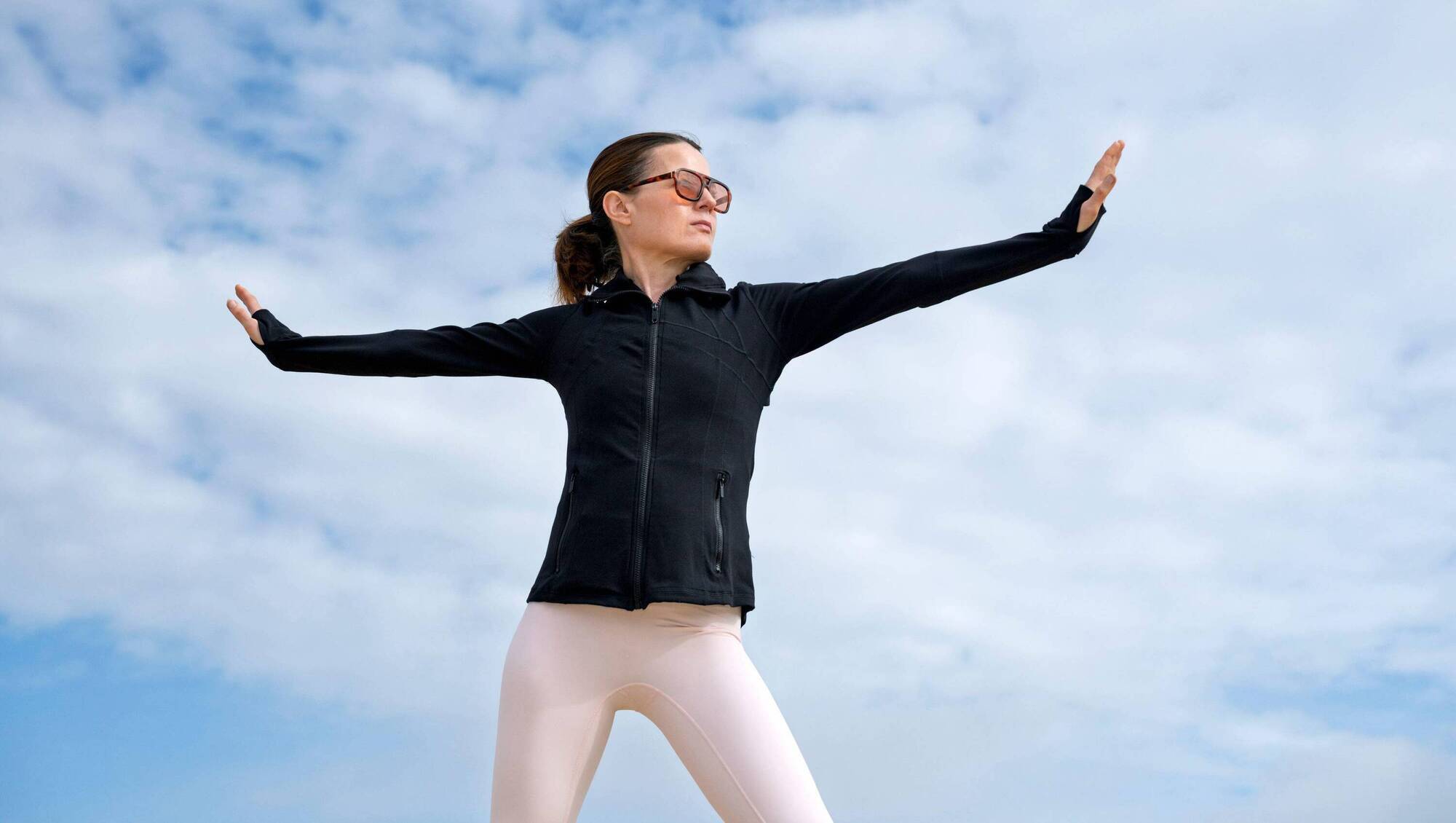
Is tai chi walking something anyone can try? Picture: Alamy/PA
With the demands of everyday life, many of us are looking for simple ways to incorporate movement and mindfulness into our busy routines – and tai chi ticks both of these boxes.
You may have passed a group practising its slow, deliberate movements in your local park, or heard a friend or relative mention it, but is tai chi walking something anyone can try?
We spoke to Rebecca Bossick, physiotherapist, co-founder and clinical director at One Body LDN, to find out what tai chi walking actually involves as well as its most significant health benefits.
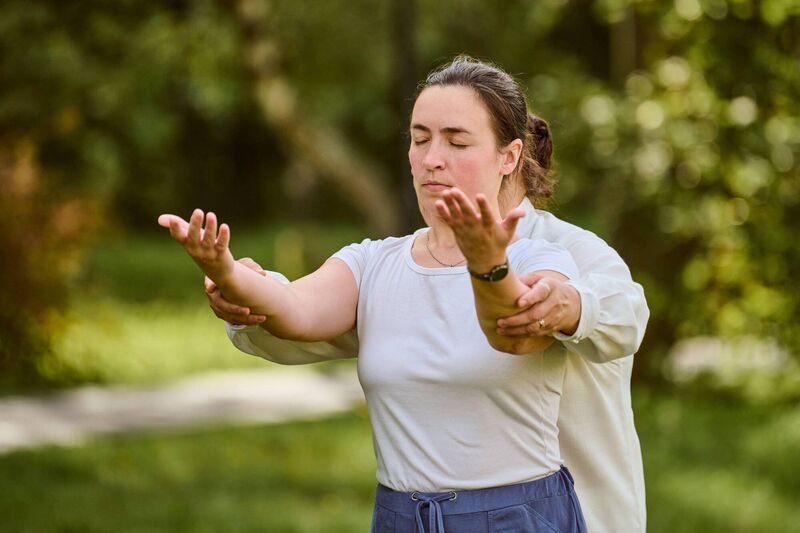
“Tai chi is a type of exercise and practice which is very slow and is all about flow,” says Bossick.
“While regular walking relies on momentum, stepping one foot forward with weight and balancing our bodies as the other foot moves ahead, tai chi walking uses a different, more mindful principle.
“Instead of the usual movement, you consciously concentrate your entire body weight onto one leg and establish good balance before you even lift the other foot. In tai chi terms, one leg becomes “full” and the other “empty”, and the whole point is that you don’t move on until that transfer is complete.
“So, tai chi walking is much more of a meaningful, slower and controlled walk.”
Once you have mastered these movements, breathwork can be incorporated to further enhance the results of this practice.
“During tai chi we use diaphragmatic breathing which involves breathing through the nose and taking nice slow, controlled breaths that engages the diaphragm,” says Bossick. “So, it is more like belly breathing rather than breathing from the upper chest.”
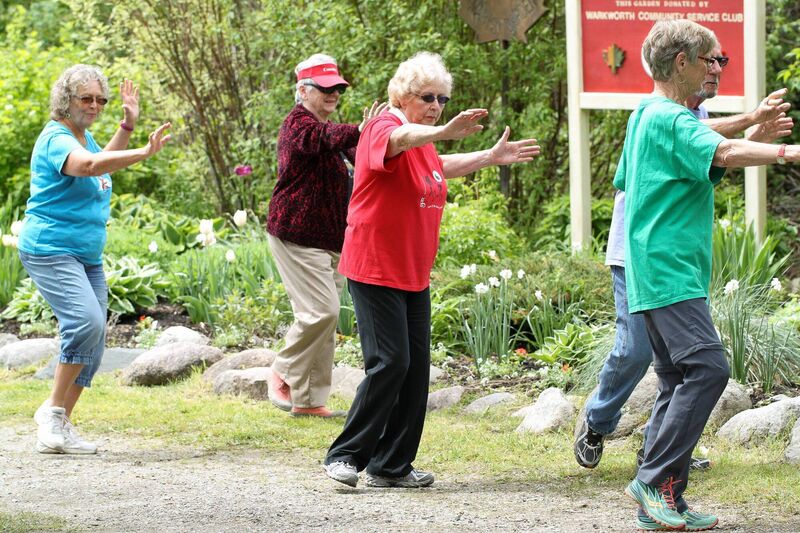
“Anyone from children to elderly adults can get involved, it’s for all ages,” says Bossick.
“As you’re walking, you’re strengthening your legs and your intrinsic foot muscles from the balancing. Then as you step through, you’re strengthening your glutes,” says Bossick.
“The balance and control element of tai chi also engages your core and the postural muscles of your spine.”
“Balance and proprioception, which is the awareness of where your body is in space, are the main benefits of this practice which can really help with fall prevention,” says the physiotherapist.
Read More
“Practising it requires you to focus on balance, breathing, alignment, and weight distribution, and because of that, you train your working memory, attention and the ability to filter distractions,” says Bossick.
“Plus, its meditative quality may also help reduce anxiety and depressive symptoms by activating the parasympathetic nervous system.”
“Tai chi is a low-impact exercise, so is much more gentle on the joints compared to other forms of exercise such as running,” says Bossick.
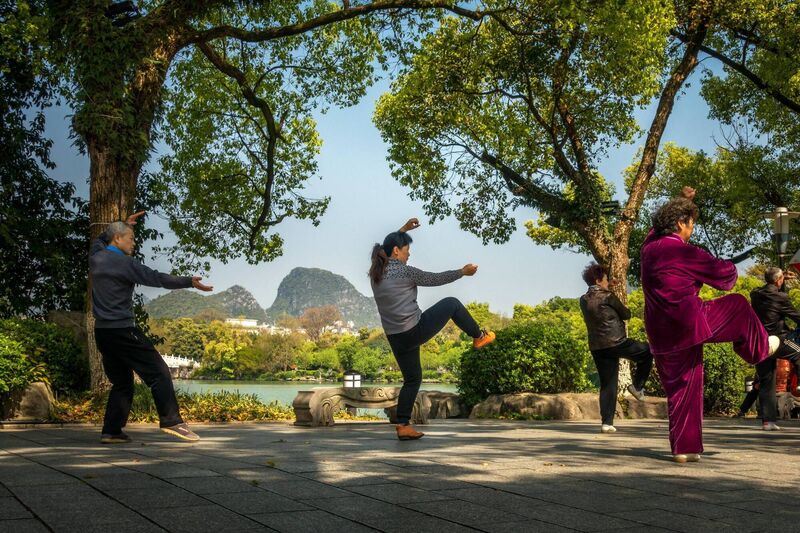
“You can do it by yourself at home, but you can also take part in a group class to get that social element,” says Bossick. “Another benefit of a joining a class is that there will be someone there to help guide you through the steps.”
The slow, focused movements can help build confidence over time and reduce the fear of falling.
“Some people, particularly from the older population, that we see have had their confidence knocked by a fall or feel unsteady on their feet, but as soon as they start doing this practice in a controlled environment, it helps build their confidence,” shares the physiotherapist.
“The knock-on effects of this is that it helps improve their function which therefore helps them feel more independent and improves their quality of life.”
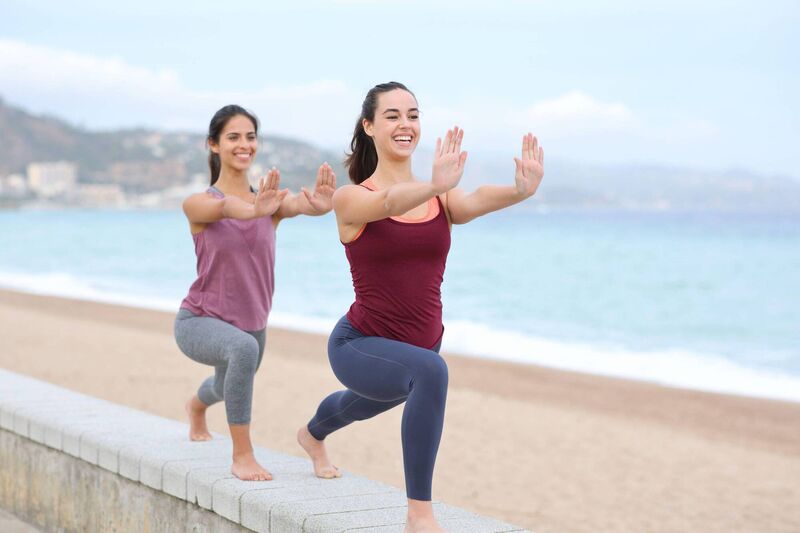
“I would recommend getting involved in a group-based activity to start with, so that you can watch and observe other people doing it and then gradually join in,” suggests Bossick.
“You could find a local tai chi class to join, approach a tai chi master for one-to-one sessions or get in touch with a physiotherapist who could take you through the practice and discuss all of the elements of it.”

CONNECT WITH US TODAY



Be the first to know the latest news and updates