General anaesthetic access for people with disabilities to be addressed in dental reform plan
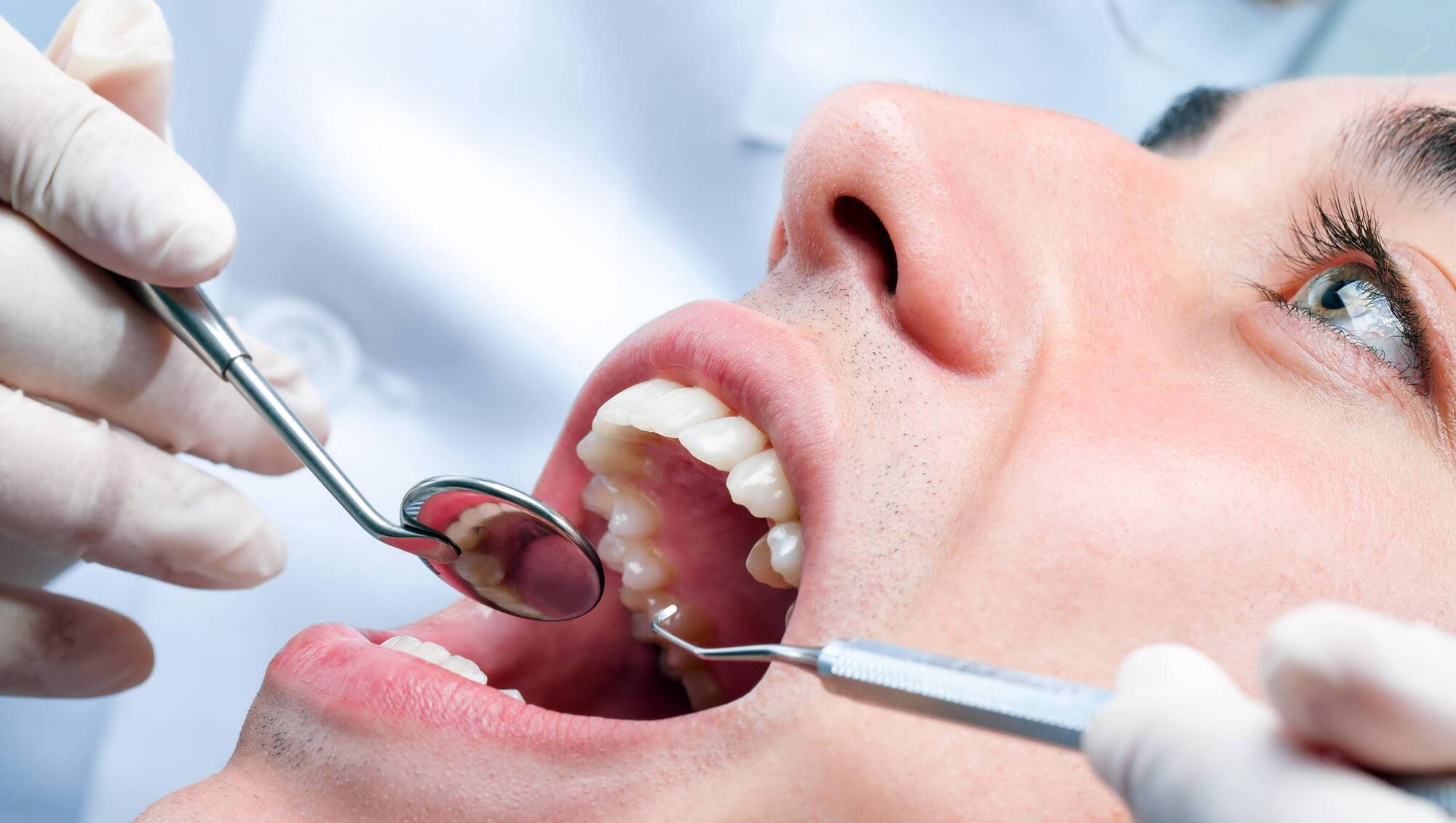
Many children and adults with disabilities need general anaesthetic before having fillings or even dental examinations because they cannot cope otherwise. Picture: PA
People with disabilities could have improved access to general anaesthetic for dental treatment under Government reform plans, the Department of Health has said.
Simon Fahey, principal officer at the department’s Oral Health Unit, told the Oireachtas Health Committee on Wednesday that improving access to general anaesthetic was among the measures being considered as part of a new oral health action plan.
The plan will include “a key action to improve access to oral care for people who have additional needs including those with disabilities”, he said.
“The action plan is with the minister currently, we’re hoping it will be published in the coming weeks,” Mr Fahey told committee chair Padraig Rice.
Many children and adults with disabilities require general anaesthetic for dental treatment, including fillings and, in some cases, examinations, because they can find it difficult or impossible to tolerate the procedures otherwise.
Access to dental treatment under general anaesthetic can be limited, with families reporting waits of months or even years for treatment.
Read More
Mr Fahey said he had recently attended a conference hosted by the Irish Society for Disability and Oral Health in Dublin, where he heard about many of the issues surrounding access to dental care.
“It highlighted a lot of areas that we are going to be working on improving,” he said.
Mr Fahey said there would be support for referrals for people who require advanced or special dental care.
“There will be support for advanced care for referrals for people who will need advanced care or special care,” he said.
“The focus will remain on mainstreaming and that dentists with additional continued professional development can be confident to manage oral disease for the majority of people with disabilities.”
Community services would provide additional support where required, he added.
Mr Fahey and his officials also discussed the Dentists (Amendment) Bill 2026 as part of the pre-legislative scrutiny process.
He said that, following discussions with the Irish Dental Council, there is now a proposal to put continuing professional development (CPD) requirements for dentists on a statutory footing.
“The council will be empowered to establish and operate a professional competence scheme,” he said.
“This will enable it to set minimum CPD requirements, monitor compliance and oversee the operation of the scheme on an ongoing basis.”
Assistant principal officer Denise McCarthy said failure to keep up with CPD is currently not a reason for a dentist to be sent for a fitness-to-practise hearing.
“That’s why we’re looking to make these changes, not only to introduce mandatory CPD but to make it a grounds for a fitness to practice enquiry,” she said.

CONNECT WITH US TODAY



Be the first to know the latest news and updates