I got breast cancer at 39: 'Cancer doesn't wait, neither should our screening programme'

Anna O’Donoghue was diagnosed with breast cancer at 39, more than a decade before the national screening programme begins. She asks why women should wait until their 50th birthday to receive a BreastCheck invitation
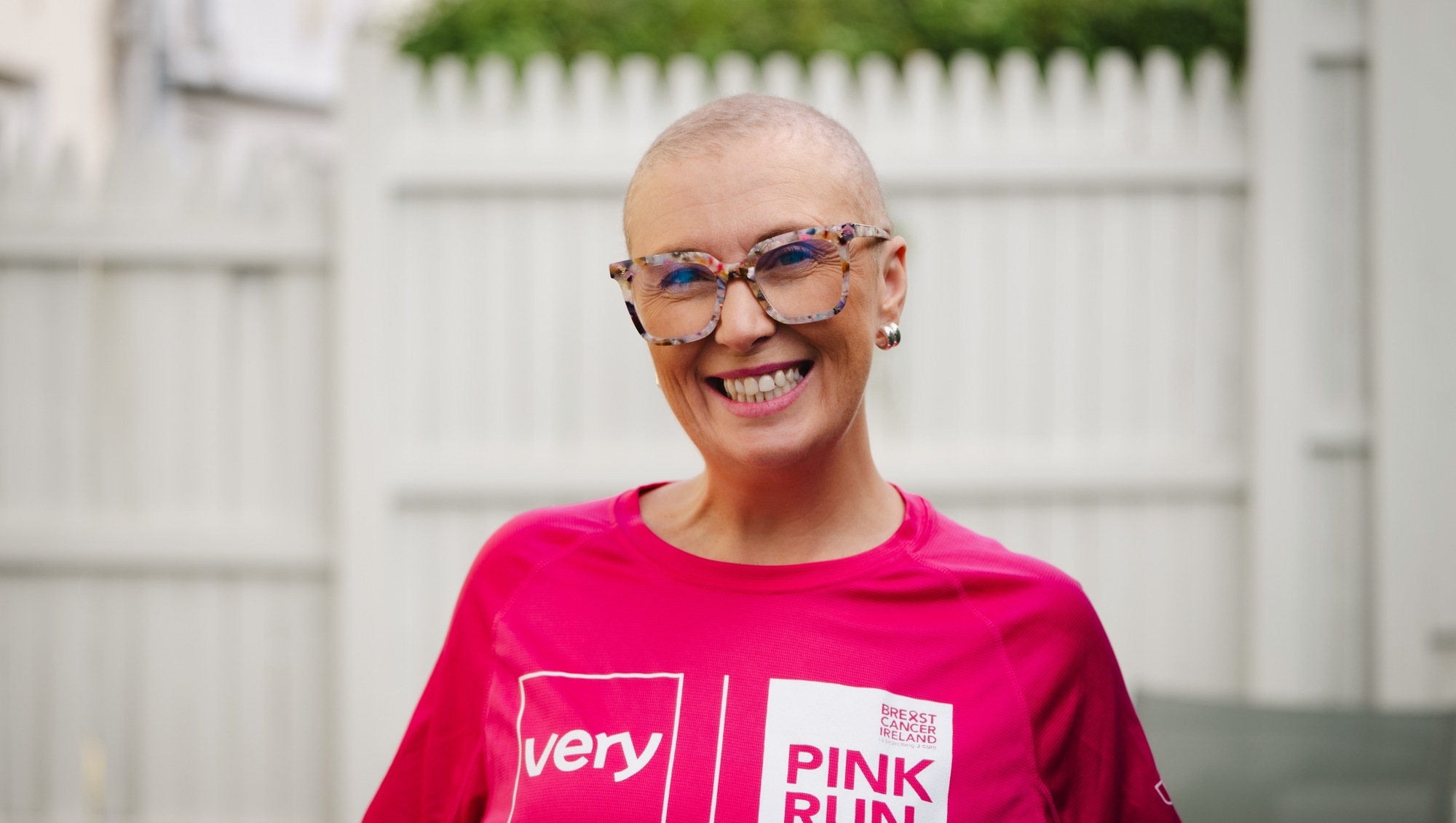
Anna O’Donoghue was diagnosed with breast cancer at the age of 39. Picture: Chani Anderson
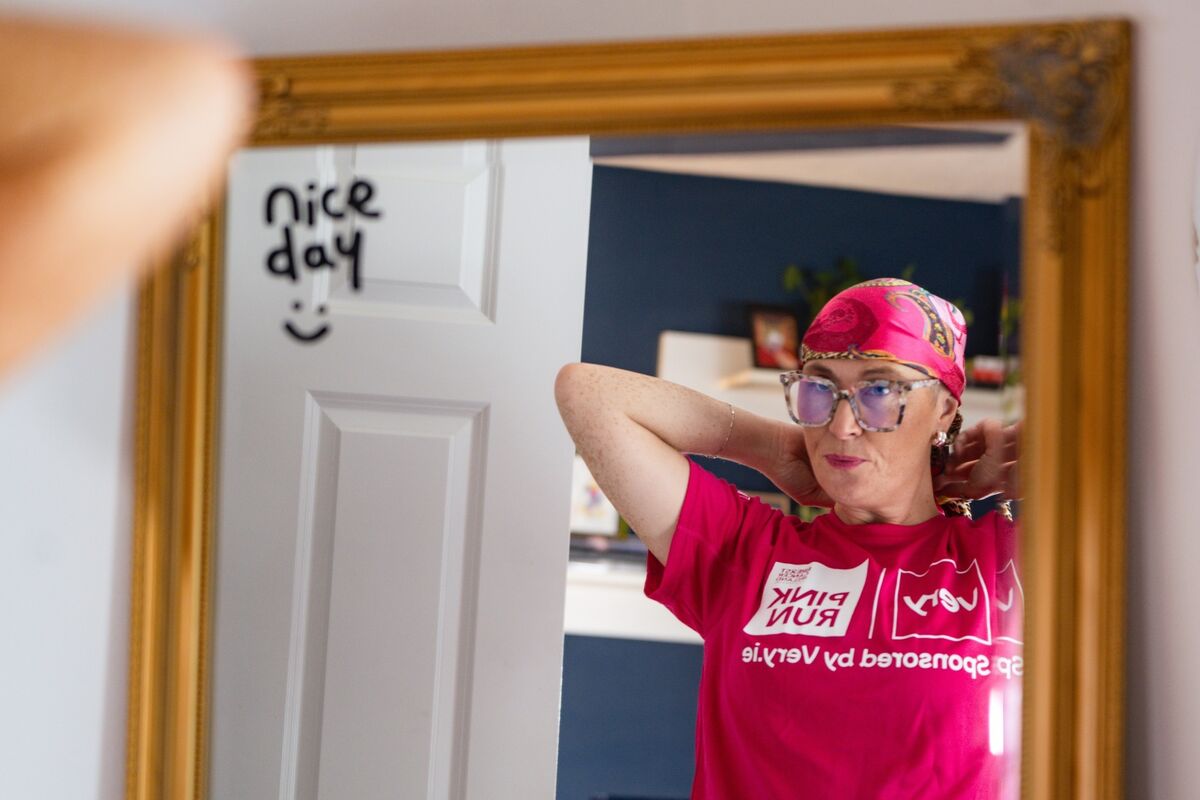
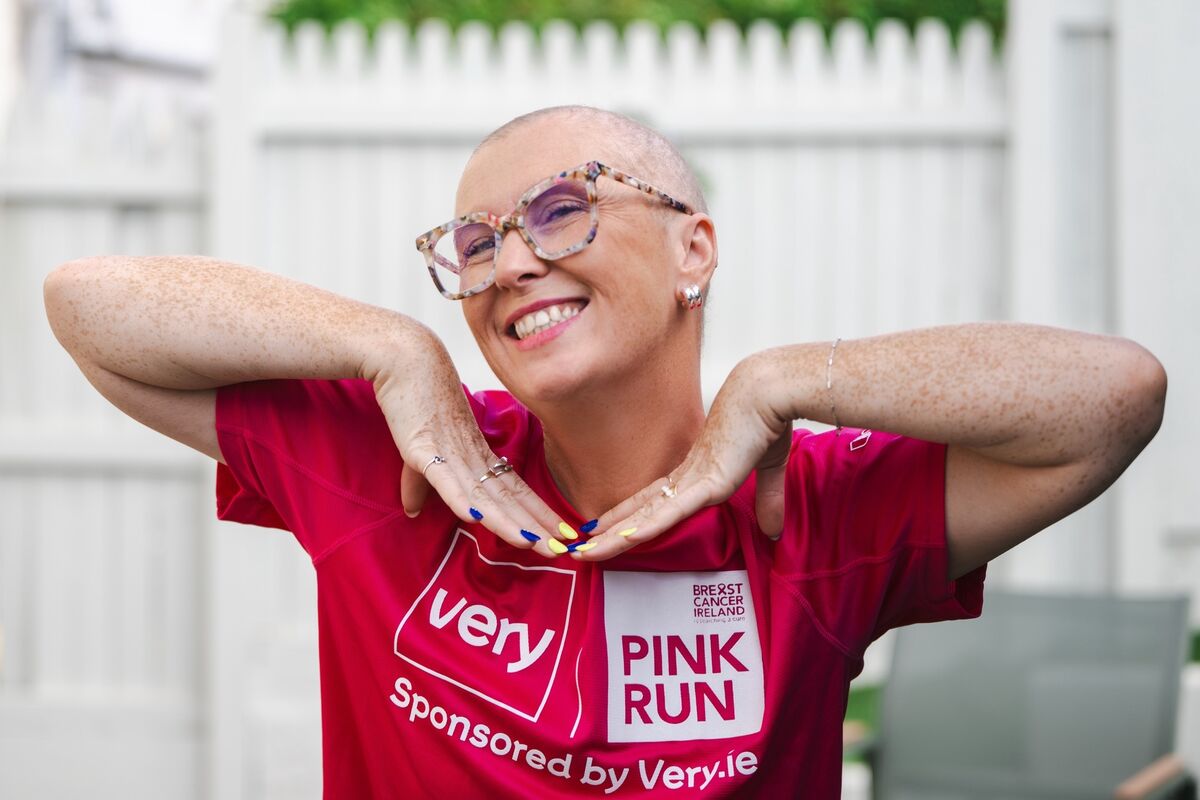
Anna O’Donoghue was diagnosed with breast cancer at the age of 39. Picture: Chani Anderson
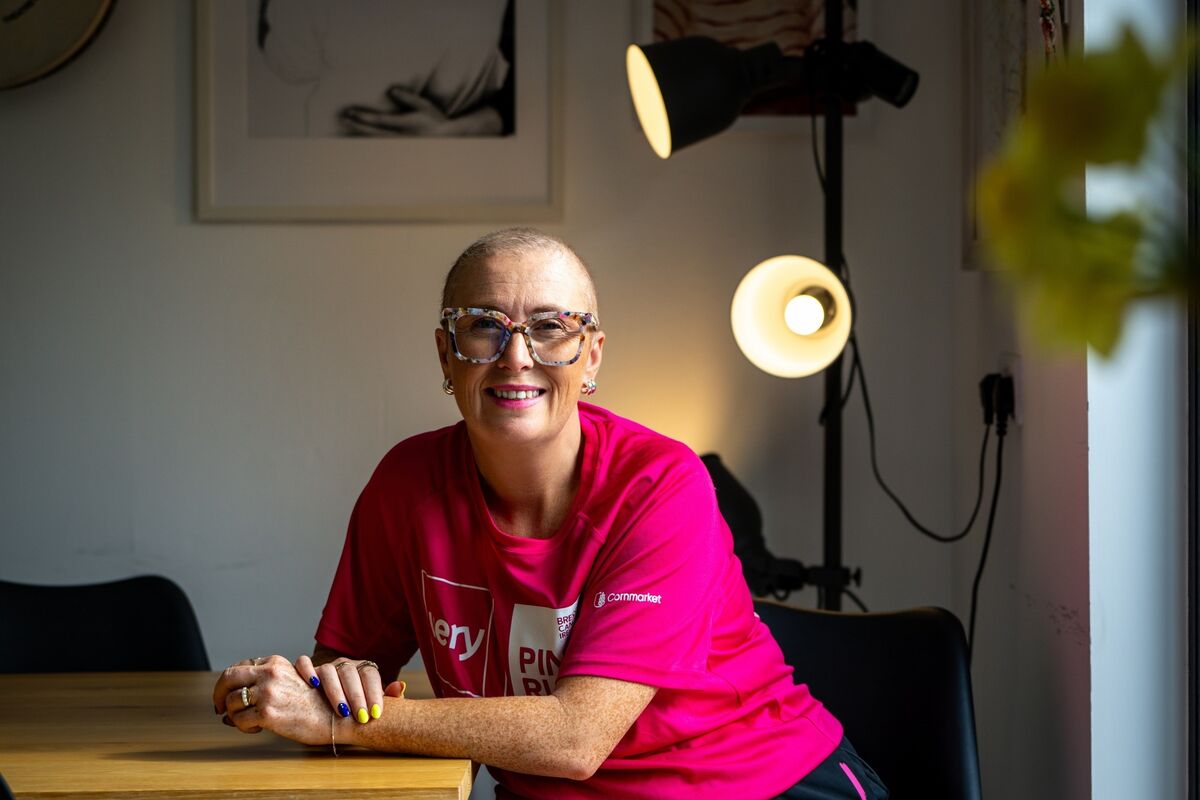
I was 39 when I found my lump, earlier this year.

My period was due in a few days, so, at my age, my first thought was that it was the start of perimenopause. Maybe it was a cyst. I had no pain, no other symptoms, and no family history of breast cancer. Still, I booked a GP appointment for the next day. Although my doctor wasn’t overly worried, she referred me to CUH’s Orchid Clinic.

Within weeks, I heard the word I never imagined would apply to me: Cancer.

The outlook seemed encouraging. My consultant explained that I had hormone receptor-positive (ER-positive), HER2-negative breast cancer and would need a lumpectomy. My lymph nodes looked clear, making me hopeful for a reduced treatment plan.

The surgery went well, but my results showed cancer had spread to my lymph nodes.

That changed everything. My treatment plan became 16 rounds of chemotherapy, followed by another surgery to remove the affected lymph nodes, and then radiotherapy. Oddly, the news of chemotherapy was harder to take than the original diagnosis. The success of the first surgery had felt like such a high, and this was a deflating low. The rollercoaster that is a ‘cancer journey’ had taken off. It meant chemo on my 40th birthday. It meant moving our wedding celebration to a later date.

I’m halfway through chemotherapy. I find the mental side much harder than the physical. Thankfully, I don’t feel unwell. Early on, comparing myself to others — and checking Google — caused my lowest days. I convinced myself that every frightening story would become mine. None has.

Anna O’Donoghue: 'Cancer doesn’t read the eligibility criteria. It doesn’t wait for your 50th birthday.' Picture Chani Anderson

Impossible contradiction

Life with cancer isn’t the version of cancer I’d grown up seeing on television and films. It’s an impossible contradiction. One day, I’m booking a wig fitting, the next, I’m flying to Croatia for a holiday. There are surgeries, injections, and weekly trips to the infusion unit, but there are also staycations, gigs, and nights out. I’ve got texts asking, “Hope you’re feeling OK” while I’ve been kayaking through the bioluminescence in Glengarriff Harbour. It feels impossible that both realities can exist at once, but they do.

My medical team encouraged me to live as normally as possible, and that’s exactly what I’ve done.

I lost my hair over a month ago, after round seven, and it has been the only visible sign that I have cancer. For weeks, I dreaded it more than anything. I thought I was losing part of myself, but, instead, I found power. Somewhere between the falling strands and shaved head, I found a version of myself that was stronger than I knew.

I’ve learned to trust how I actually feel. If I feel well, I’ll live well. If I feel tired, I’ll rest. Everyone goes through treatment differently. Your diagnosis, your treatment, and your body are uniquely yours.

There is, however, one thing that ties us all chemo patients together.

Our date of birth.

Each chemotherapy session begins with the same checks, including confirming your date of birth.

1984.

1986.

1989.

1982.

In Ireland, routine BreastCheck mammograms begin at 50. Listening to the women around me give their dates of birth quickly made me realise that the majority of us are too young to be routinely screened: 42, 40, 37, 44. Sitting there, it’s hard not to notice the disconnect between the age at which people are routinely screened and the reality of who is sitting in the infusion unit with me. I was 11 years too young to receive an invitation.

Evidence is evolving

The HSE says the programme is based on the strongest available evidence, but that evidence is evolving.

In July 2026, health minister Jennifer Carroll McNeill said that the Programme for Government commits to extending the ages for the BreastCheck Screening Programme, in line with updated standards from Health Information and Quality Authority (HIQA).

Carroll McNeill said the review will include the proposed extension of the age range eligibility to those aged 45-49 and 70-74. She also highlighted how this is a time-intensive and rigorous process that “must be afforded the necessary amount of time” to be completed.

Around a third of European countries already include women aged 45 to 49 in some capacity, while countries such as Sweden and Iceland have expanded access to women once they turn 40. Every year we wait is another year thousands of younger women remain outside routine screening. So my question is: What are we waiting for?

According to Breast Cancer Ireland, diagnoses among women aged 20 to 49 have risen by more than 25% over the past decade, and almost one in four breast cancers in Ireland are now diagnosed in women under 50.

That’s why breast awareness matters. I almost dismissed my lump because I thought I was “too young”. I’m incredibly grateful that I didn’t.

Some women as young as 21 have had their symptoms initially dismissed by healthcare professionals because they were considered “too young” for breast cancer. That’s why campaigns like Too Young To Be Heard matter. They give a voice to women whose concerns weren’t taken seriously because of their age and remind all of us — patients and healthcare professionals alike — that breast cancer doesn’t always fit the expected profile. If something doesn’t feel right, it deserves to be listened to, no matter how old you are.

Cancer doesn’t read the eligibility criteria. It doesn’t wait for your 50th birthday. It didn’t wait for my 40th. Perhaps our screening programme shouldn’t wait either.

Anna O’Donoghue is a patient ambassador for the Very Pink Run. Picture Chani Anderson

Take the time to check

  • Symptoms of breast cancer can include:
  • A lump or thickeningin the breast or armpit
  • Swellingin the armpit or around the collarbone
  • Change in either size or shape of the breast, such as one breast becoming larger than the other
  • Change in the skinof the breast, such as puckering, ridges, dimpling or redness
  • Breast abscess or boil, which may appear as a red, tender area on your breast.
  • Changes in the nipple, which could include a pulled-in, sunken or flattened nipple
  • Change on or around the nipple, such as a rash, flaky or crusted skin
  • Unusual discharge or liquid from one or both of the nipples. The discharge may be blood-stained or watery.
  • Soreness or warmth (inflammatory breast cancer)
  • A red scaly rash on one nipple, which may itch or burn (Paget’s disease of the breast)
  • Breast pain alone is rarely a symptom of breast cancer, but it’s always best to talk to your doctor.
  • If you have any concerns, seek medical advice.
  • For more information on breast cancer, visit breastcancerireland.com cancer.ie, hse.ie, mariekeating.ie

x

More in this section

Lifestyle

Newsletter

Eat better, live well and stay inspired with the Irish Examiner’s food, health, entertainment, travel and lifestyle coverage. Delivered to your inbox every Friday morning.

Cookie Policy Privacy Policy Brand Safety FAQ Help Contact Us Terms and Conditions

© Examiner Echo Group Limited