Petitions demanding more information about cancer screening near 20,000 signatures
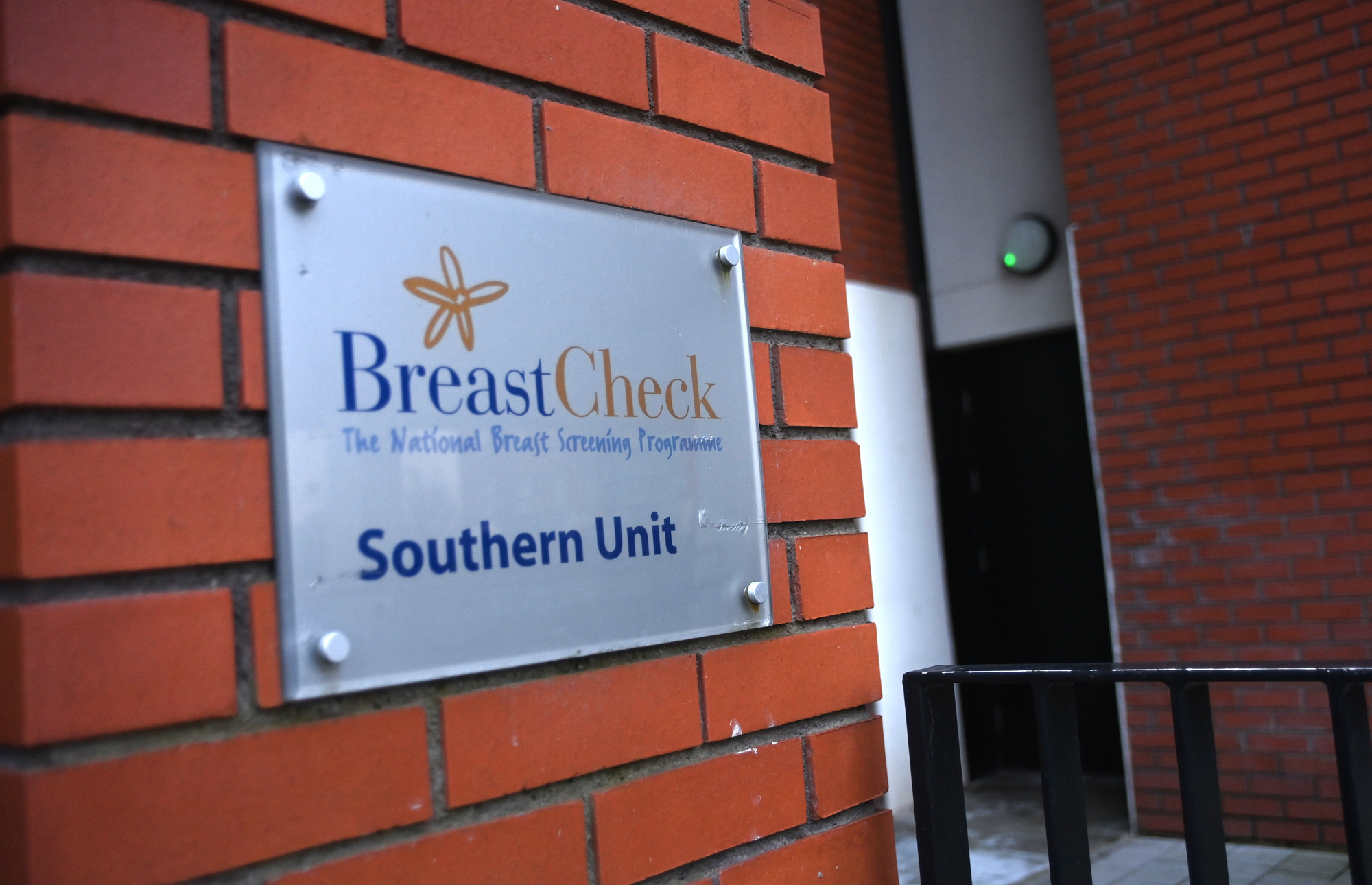
'If they (women) ask for the information they are sent on their merry way and told BreastCheck doesn’t hold that information.' File picture: Larry Cummins
Almost 20,000 people have now signed petitions demanding women be given more information about cancer screening and the implications of breast tissue density.
Hiqa is now reviewing whether women who have dense breast tissue should be given the information after BreastCheck mammogram screening. However, women want faster action.
The debate centres on fears of potential delays to diagnosis because cancer and dense breast tissue both show up white in a mammogram.
Read More
Among those calling for more information is Cork woman Laurna Quirke. She was twice given the all-clear after mammograms only to get a devastating diagnosis last year.
Now living with lobular breast cancer, the mother of two teenagers had a double mastectomy at her request.
“Any woman going for a mammogram today or tomorrow should be told ‘you have dense tissue, here’s what you need to know for now and here’s what you need to know for the future'," she said. "Let’s educate women.
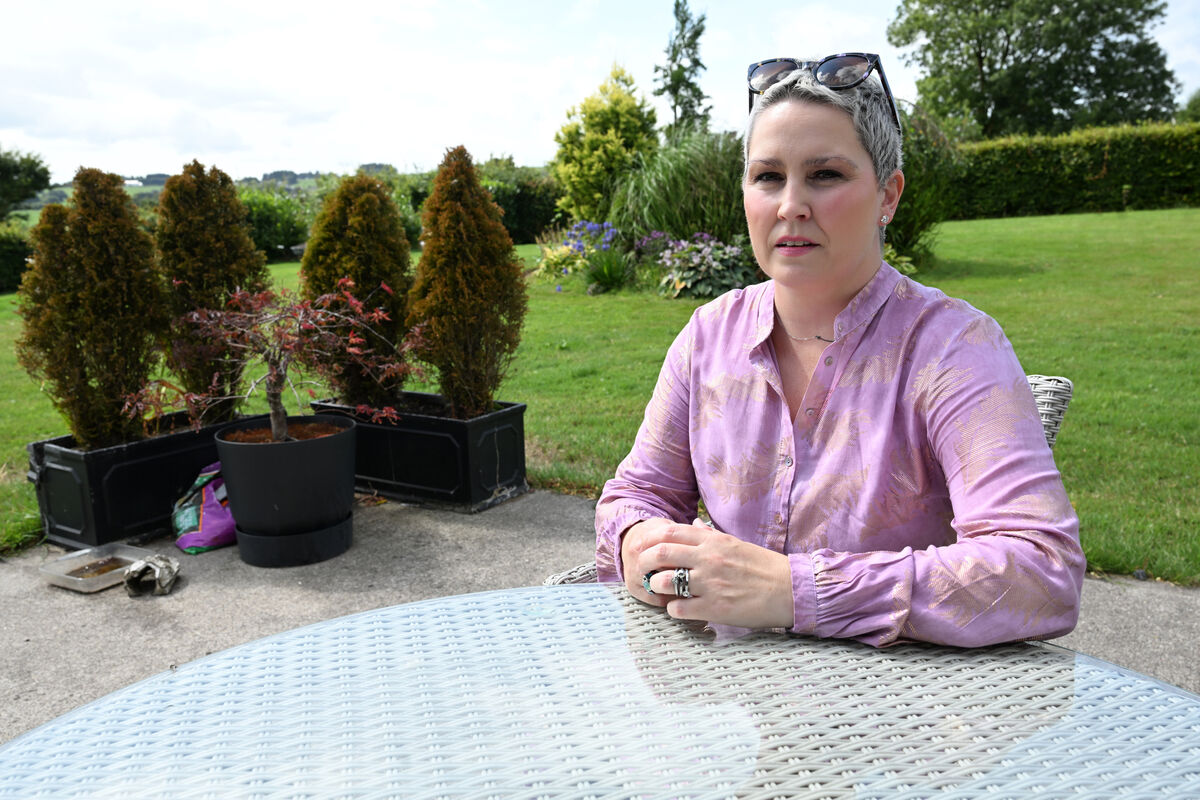
“It’s not hard and more must be done. We are not getting essential information. Therefore we cannot make informed decisions about our future health.”
She has seven years of endocrine therapy ahead and is in medical menopause. Looking back, she said: “If I had known I had dense tissue and I had understood the significance of it, I would have queried the screening methods and whether it was enough.”
Now 45 she feels her situation was complicated by her age as breast cancer is more usually associated with older women. Routine screening is only available for women aged 50 to 69.
Back in 2020 her GP referred her to a rapid-access breast clinic at Cork University Hospital. “(The clinic) did a mammogram and they did an ultrasound. They told me there was a cyst in the left breast, they drained it,” she recalled.
In June 2024 she went back with a lump on her right breast. “Again I had the mammogram and the ultrasound. They said there was a little cyst on the right breast but it was so small they wouldn’t even drain it,” she said.
However by early last year this had grown and she said: “I knew very much before going up that I was in big trouble.” This time she had a mammogram and a biopsy.
“Two weeks later I was brought back in and I was told it was lobular breast cancer, Stage 1,” she said. “I was told I had dense tissue and all I was told really is ‘it’s like looking for a snowflake in a snowstorm’.”
Ms Quirke now knows four out of 17 nodes were cancerous, and the tumour was 12cm by 8cm. "So it was pretty massive. I believe it is Stage 3.”
She describes having “massive trust issues” which have coloured her relationship with her cancer teams across three Cork hospitals.
This care has been “excellent” she repeatedly stresses but she said: “I feel like I have a 10,000-piece jigsaw in front of me and nobody is giving me direct answers.”
She has asked how long the tumour might have been there. “(One doctor) did say that logically if I had presented in 2020 with a lump then logically it had been there at that time just not picked up because of the dense tissue,” she said.
Ms Quirke is supported by Lobular Ireland, a patient group founded by Siobhan Freeney. Ms Freeney runs one of the online petitions and has campaigned since she was given similar news 10 years ago.
“Our biggest issue here in Ireland is that women themselves have no way of finding out if they have dense breasts,” she said.
“It’s impossible to know because it’s not palpable. Nobody tells them about it, if they ask for the information they are sent on their merry way and told BreastCheck doesn’t hold that information.”
Some private providers do share this information, she added. “It’s the inability to detect small node negative breast cancers on imaging, that’s where the breast density issue lies,” she said.
She has asked to join the Hiqa review, saying: “Three times we were told no. Eventually I was invited and I have sat in on meetings that looked at this.”
For now she can say little about this, but she said: “I’m not holding out much hope that things will change early enough.” These concerns are echoed elsewhere with World Dense Breast Day marked in September.
The Department of Health confirmed the Hiqa review continues at the request of the National Screening Advisory Committee. It is reviewing the potential introduction of a standardised breast density notification for women, a spokesman said.
He said changes to screening can only be through “established evidence-driven protocols”. The HSE now has a dedicated page on its website about this issue.
“Mammograms are still effective for breast cancer screening if you have dense breasts,” it says.
“In 2008, we became the world’s first national breast screening programme to fully adopt modern digital mammography which has substantially improved breast cancer detection rates even when density is present.
“About half of all women have dense breasts. Breast density is non-fatty breast tissue and is one of the risk factors for breast cancer.”
BreastCheck does not record information about breast density, and it says this is the same in most population-based screening programmes globally.
A spokeswoman said: “We know from research that BreastCheck saves lives. Over the past 25 years, we have contributed to a reduction in the number of deaths from breast cancer, with data showing a 40% reduction in breast cancer deaths in the screened population between 2000 and 2019.”
Interval cancers can occur between screening and screening will not pick up all cancers, she also said.
Women diagnosed with breast cancer within two years of a screening mammogram can ask for a review of their last BreastCheck mammogram.


CONNECT WITH US TODAY



Be the first to know the latest news and updates