Foraging packs a real nutritious punch: 'I focus on edible wild plants taste amazingly fresh'
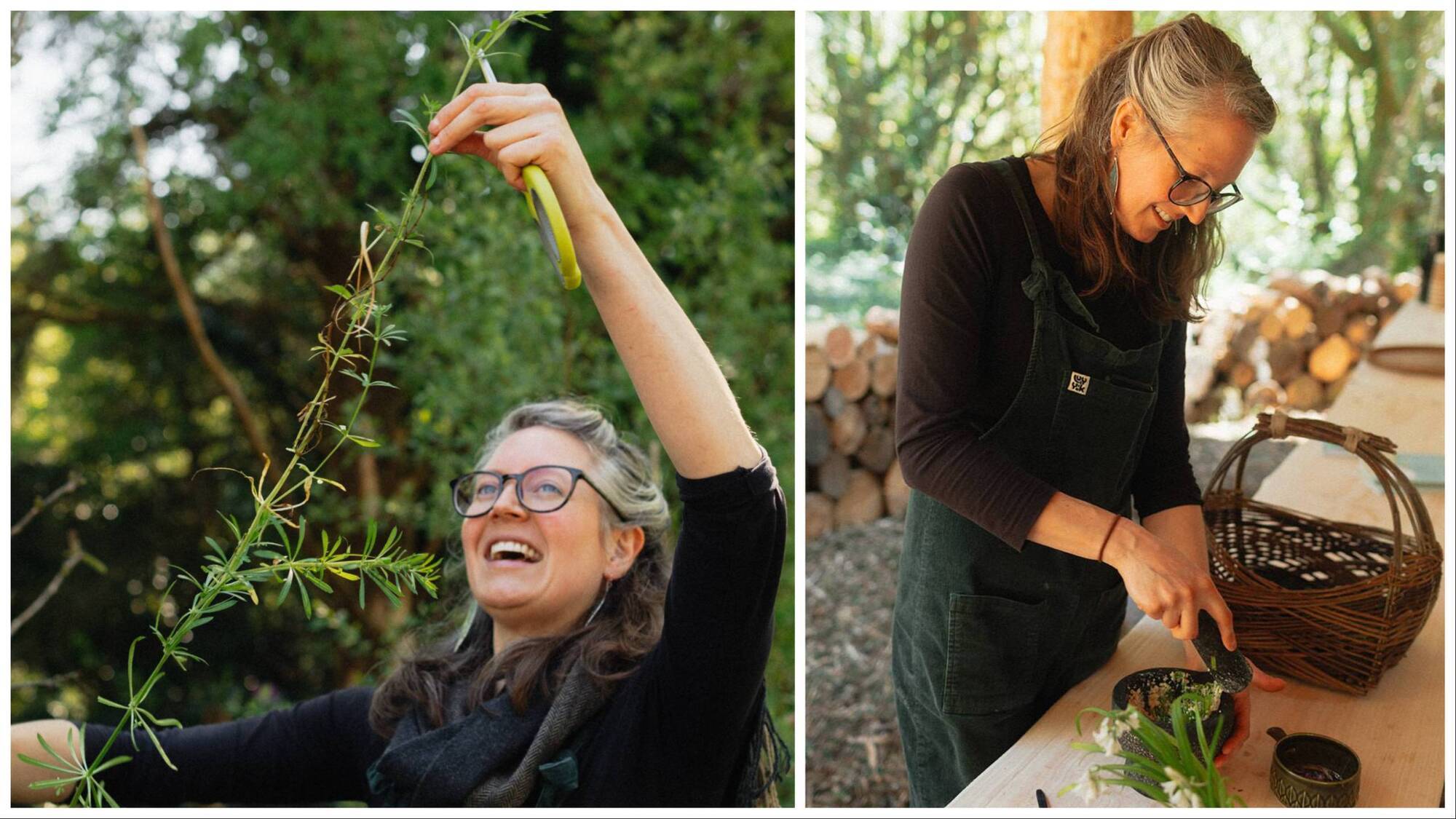
The founder of a nature restoration project near Glengarrif says people are embracing foraging and, in the process, making a real connection with the world around them
Kloë Wood Lyndorff says the mental and physical benefits of foraging are not limited to rural dwellers. Picture: Kate Bean Photography
Kloë Wood Lyndorff says the mental and physical benefits of foraging are not limited to rural dwellers. Picture: Kate Bean Photography

At Esk Mountain, a nature restoration project set on 270 acres near Glengarriff, you can engage the mind and body in foraging for nutritious food for your supper. Accompanied by custodian Kloë Wood Lyndorff, visitors can explore wild and healthy food across a range of habitats before tasting the landscape with a meal prepared in a woodland kitchen and cooked over fire.

When Wood Lyndorff goes foraging for wild food, she always has flavour in mind. “There are many edible plants that won’t kill you but taste like cardboard,” she says, “and life’s just too short to be chewing on the really fibrous stuff. So I focus on edible wild plants that will reward you instantly by tasting amazingly fresh, or with very simple processing, so that the flavours pop.”

Wood Lyndorff is the founder and forager at Esk Mountain, a 270-acre nature restoration project just off the N71, on the border between Cork and Kerry.

It’s where she runs a variety of experiences, including guided foraging walks through a variety of habitats.

The food gathered is used to make a meal in the off-grid woodland kitchen, which was built from materials cleared as part of habitat restoration. Cooking there is an exercise in elemental transformation: Wood sorrel becomes pesto to spread on wood-fired pizza, pickles come in the form of three-cornered leek bulbs (an efficient way of dealing with an invasive species), water mint from the wet meadow flavours cheesecake, while rowan or meadowsweet blossom brings a floral aroma to syrups.

Wood Lyndorff, who grew up on this land in West Cork, has an academic background in conservation, environmental sciences and sustainable development. Since her university days, she has also worked in a variety of social initiatives.

“I’ve always been really involved in community work and volunteering,” she says. “I set up a green walks project in my second-level postgrad, getting people out into the landscape, getting them together with foragers.”

While she has a definite advantage when it comes to finding ingredients on her own doorstep at Esk Mountain, Wood Lyndorff believes that the benefits of foraging, both physical and mental, are not just limited to rural dwellers.

“People talk about No Mow May being great for biodiversity,” she says. “Actually, it’s brilliant for your belly as well. There are so many plants, like sorrel, that will pop up. You can pick it [and] throw it into a salad for a nutrient and flavour-filled package.”

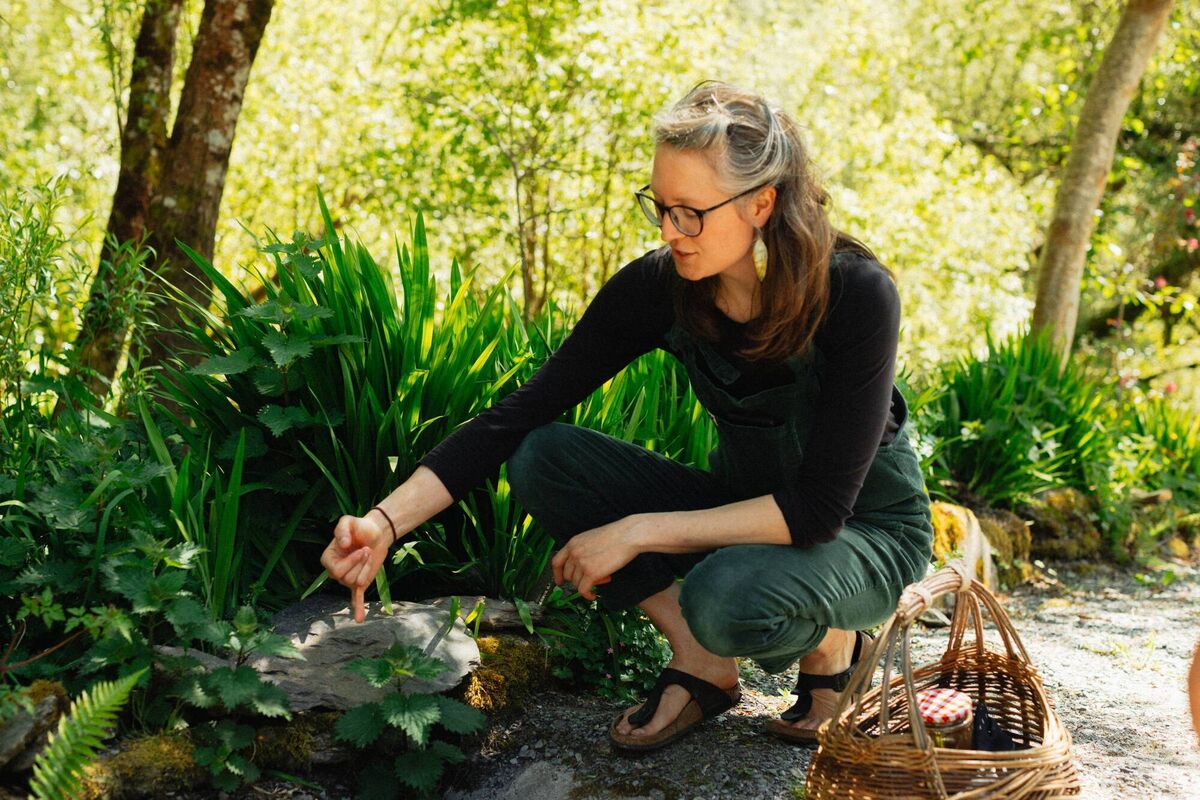
As we sit in the woodland garden outside Esk Mountain’s self-catering accommodation, Wood Lyndorff looks around and assesses: “Just where we are, there’s chamomile growing there, there’s yarrow, there’s red clover, wild strawberry flowers. These are really easy to identify. You can’t confuse them with any kind of toxic plant.”

Through her work, she can see how people get engaged in foraging, making a real connection with the world around them. “The process of going outside to pick something? Now that’s really involved. You can’t order it on your phone,” she laughs.

“You literally have to put the wellies on and get yourself out there with a pair of scissors or, in the case of nettles, a pair of gloves. And you have to take notice: ‘Is it ripe, is it ready? Have I the right plant identified?’ For your mental health, that process alone is really profound.”

Nettle nutrients 

Foraged ingredients can also pack a nutritious punch. “Nettle is one of my favourites. It has the highest level of protein of any leafy green, is packed with vitamins and minerals, especially iron,” says Wood Lyndorff.

Nettles have traditionally been part of people’s diets, particularly in springtime, and with good reason. According to a scientific study of nettles by researchers at Lodz University of Technology in Poland, they are a rich source of nutrients, including essential amino acids, vitamins and minerals, “the most important of which is iron”.

Wood Lyndorff has a way of making the most of the greens that grow nearby, describing herself as “a complete nettle addict”.

Nettles are a rich source of nutrients

“I actually strim my nettle patch down and treat it like a cut-and-come-again [vegetable],” she says. “There’s a whole patch of the driveway that’s strimmed, and I’ve got this fresh flush of nettles coming through. You can also pick the seeds, and you’ve got all of the goodness of the leaves packed into the seed.”

She points out that, to be sustainable, foraging must be done thoughtfully: “It’s really important to recognise that all these plant species that we’re foraging are habitat and fodder crops for a multitude of other life that’s reliant on it. So when you’re picking, only ever pick no more than 20% of a crop. And don’t pick anything [that has been] sprayed.”

If people want to try foraging for themselves, Wood Lyndorff says that they probably already can identify more than they realise.

“You can get out and pick blackberries — everyone knows what they are — or nettles, that’s already two. You add wood sorrel, you add dog violet leaves, you add plantain, you add yarrow. Very quickly, you have this whole larder through the seasons that link you to a place. They become like old friends, and you see them popping up when you’re on your travels,” she says.

“There’s something deeply grounding about developing these relationships with these foods. Provided you’re picking correctly, you have the most local, organic, sustainable food source you could possibly find.”

  • Esk Mountain offers a variety of experiences, including guided foraging walks with lunch or dinner (from €95 per person), trail tours and pop-up events.
  • eskmountain.com

More in this section

Lifestyle

Newsletter

Eat better, live well and stay inspired with the Irish Examiner’s food, health, entertainment, travel and lifestyle coverage. Delivered to your inbox every Friday morning.

Cookie Policy Privacy Policy Brand Safety FAQ Help Contact Us Terms and Conditions

© Examiner Echo Group Limited