Uncertainty over CUH autopsies if sole pathologist retires
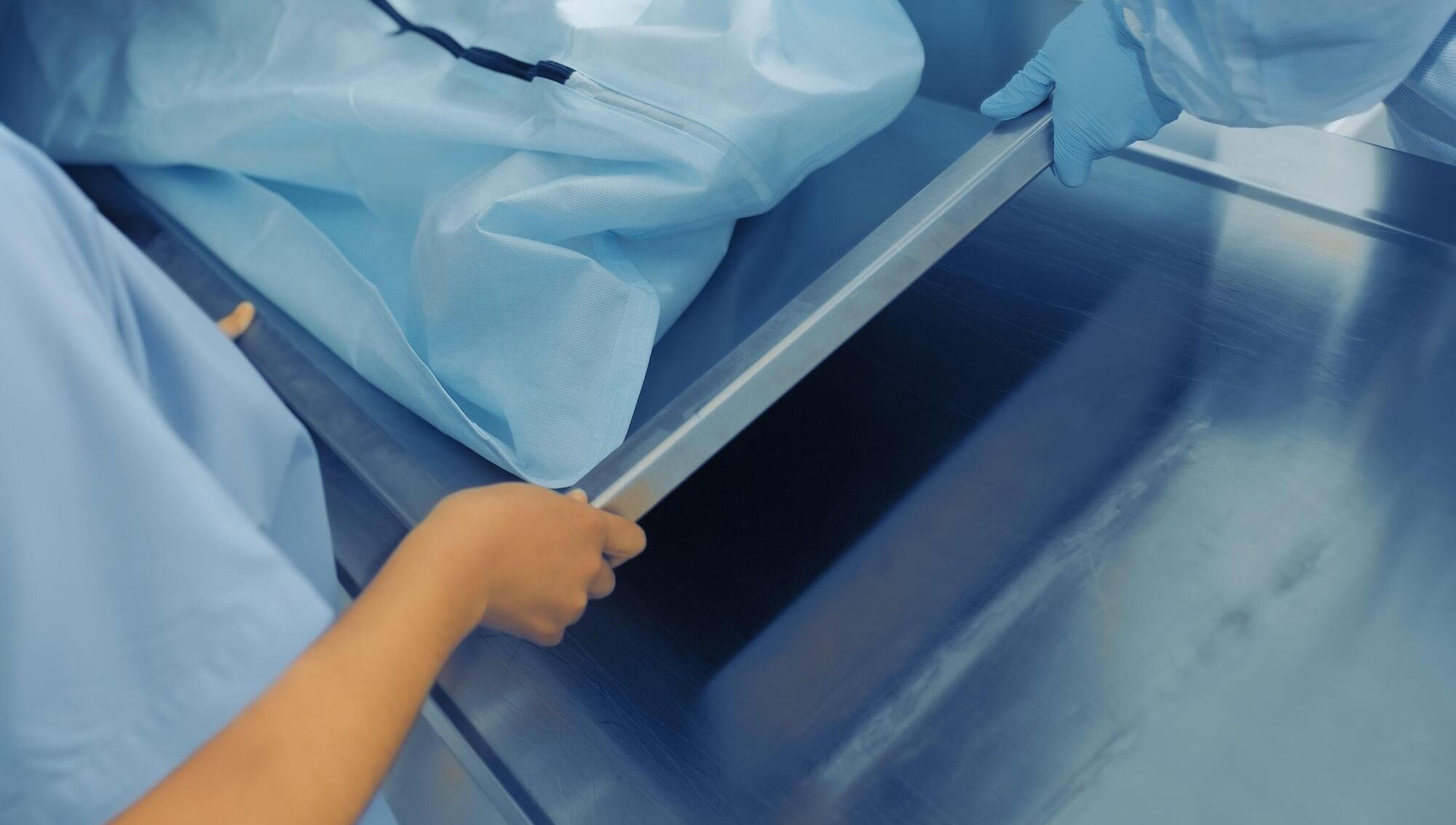
Fears about Cork hospital's ability to continue offering post-mortem examinations comes in the wake of concern over autopsy services in University Hospital Waterford. Picture: iStock
The Department of Justice is “unaware” of any contingency plans for the 1,000 autopsies carried out each year at Cork University Hospital (CUH) if the sole pathologist in place leaves the position.
CUH is one of Ireland’s largest centres for autopsies, providing around 1,000 a year. Approximately 6,000 autopsies are conducted in Ireland annually.
In a submission to justice minister Jim O’Callaghan in September 2025, department civil servants wrote: “The current service in Cork/Kerry is predominantly provided by a Cork-based histopathologist with help from two external locums.
“This histopathologist also provides forensic PME [post-mortem examinations] services as a locum to the Office of the State Pathologist.
“The department is unaware of contingency plans for Cork should that histopathologist no longer be available to conduct coroner-directed PMEs.”
Read More
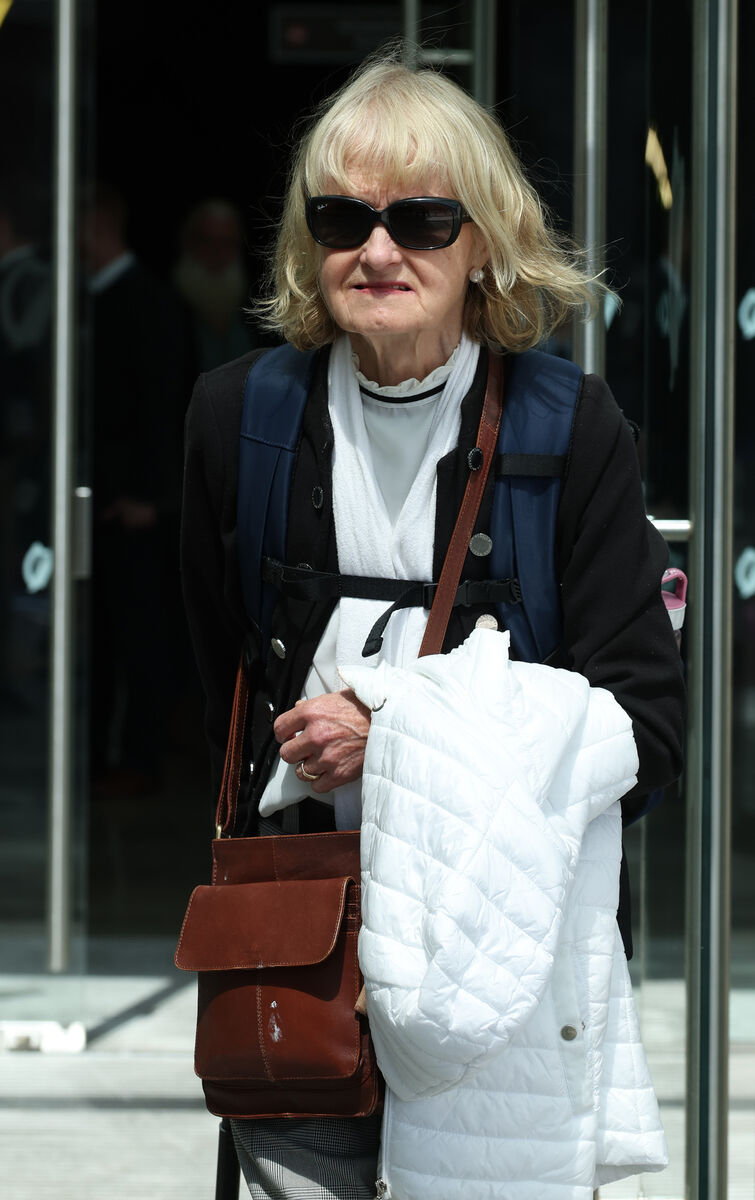
Margaret Bolster, the pathologist in question, is understood to be nearing her 70s.
She also works as the assistant state pathologist, investigating high-profile homicides and suspicious deaths. Her work is supported by two locum pathologists from Greece and Egypt. The Cork service also occasionally avails of Hungarian locum pathologists who are stationed at University Hospital Limerick.
The brief to Mr O’Callaghan was prepared in September 2025 as autopsy services in University Hospital Waterford faced an existential threat, as consultant pathologists left the hospital with no replacement.
The service is now maintained by locum pathologists from Britain. The use of locum pathologists has become more frequent as Irish hospitals struggle to recruit pathologists.
In the submission, Mr O’Callaghan was warned that issues can arise “particularly during holiday periods such as Christmas and Easter when the locums can be unavailable”.
Mr O’Callaghan was also told the Dublin District Mortuary was becoming overwhelmed with demand as three hospitals across Dublin shuttered their service over the past year.
Some 60% of all autopsies in Dublin are now conducted in the Dublin District Mortuary.
The workload of the mortuary has considerably outgrown the building’s operational capacity and a solution is urgently required, the submission warned.
The facility was originally designed to conduct just 400 autopsies a year, but now operates at twice its capacity according to the chief state pathologist.
Mr O’Callaghan wrote to health minister Jennifer Carroll MacNeill on the back of the submission, raising alarm bells over Ireland’s autopsy services.
He said the grace and favour model — in which consultant pathologists conduct autopsies outside of hospital working hours — “was no longer sustainable or capable of meeting Irish cultural expectations concerning burial”.
“An urgent intervention is required on this matter to avoid a situation whereby relatives have to endure prolonged waiting times for the remains of their loved ones to be returned to them for cremation or burial becomes the norm,” he said.
In a response two months later, Ms Carroll MacNeill said: “My department, together with the HSE, remains fully committed to supporting the Department of Justice in addressing the urgent challenges within the coronial system.”
Sources in the sector have said autopsy services are “crisis” and have struck issue with working conditions for pathologists and a lack of Government funding.
CONNECT WITH US TODAY



Be the first to know the latest news and updates