Postnatal hubs offer new mums a bridge between hospital and home
New mums are finally getting the additional support they need with the rollout of postnatal hubs across the country 
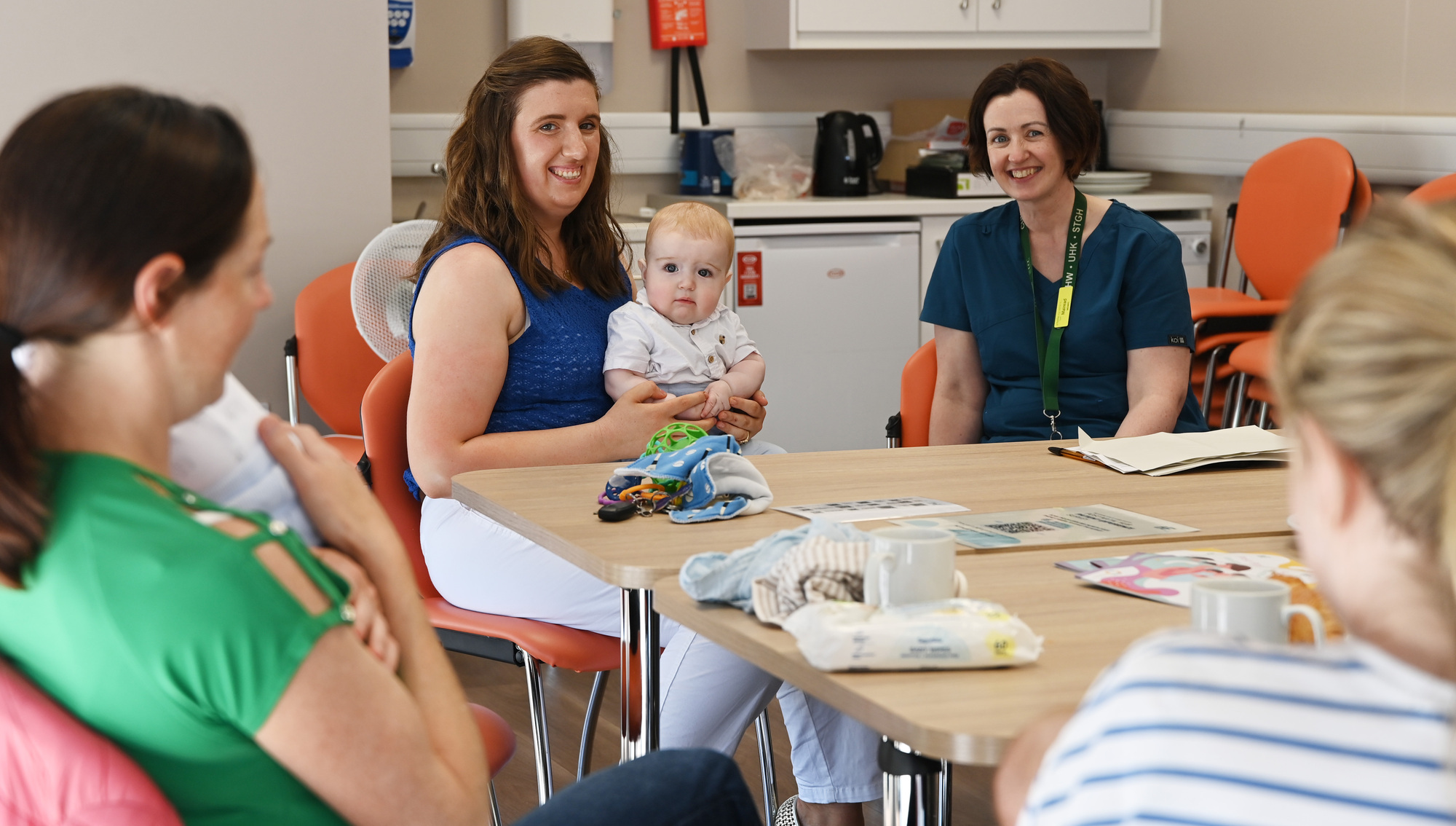
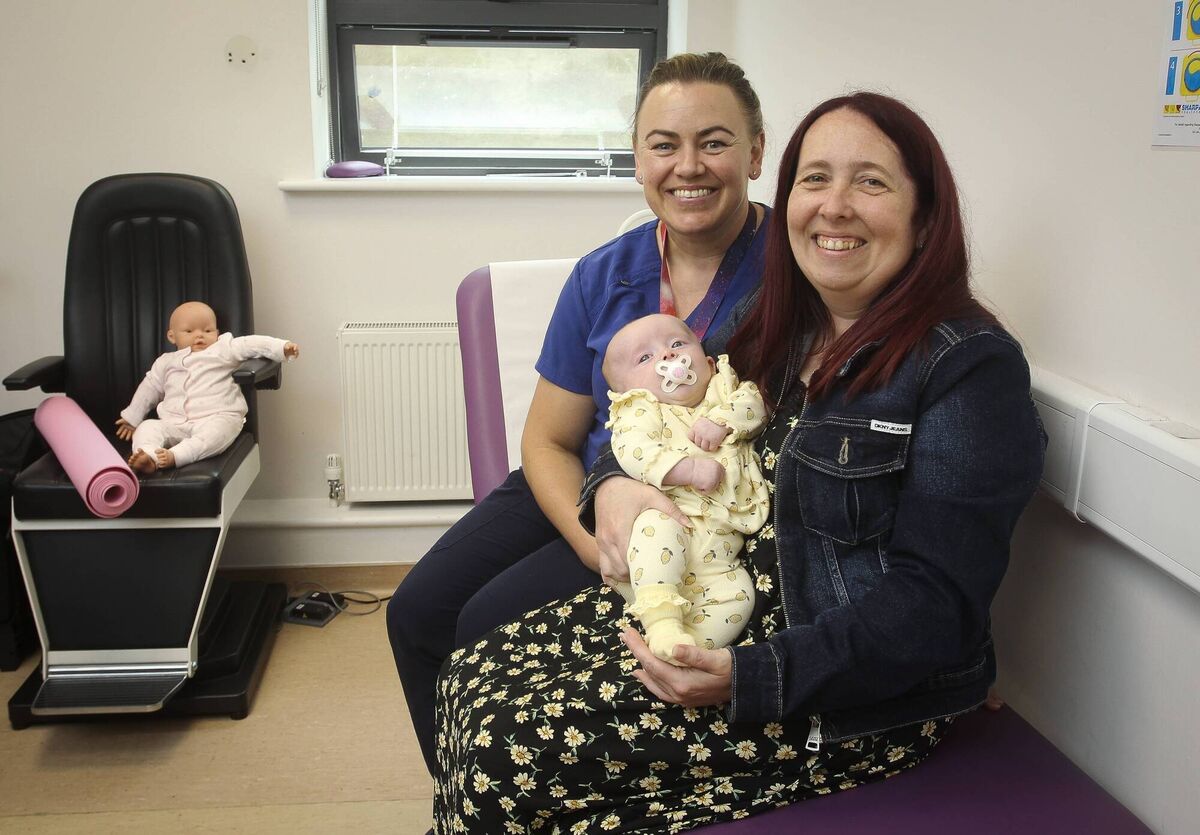
Margaret Barrett with her son Jack from Ballineen with staff midwife Maidead Forde from postnatal CUMH at a class in Clonakilty. Picture: Eddie O'Hare
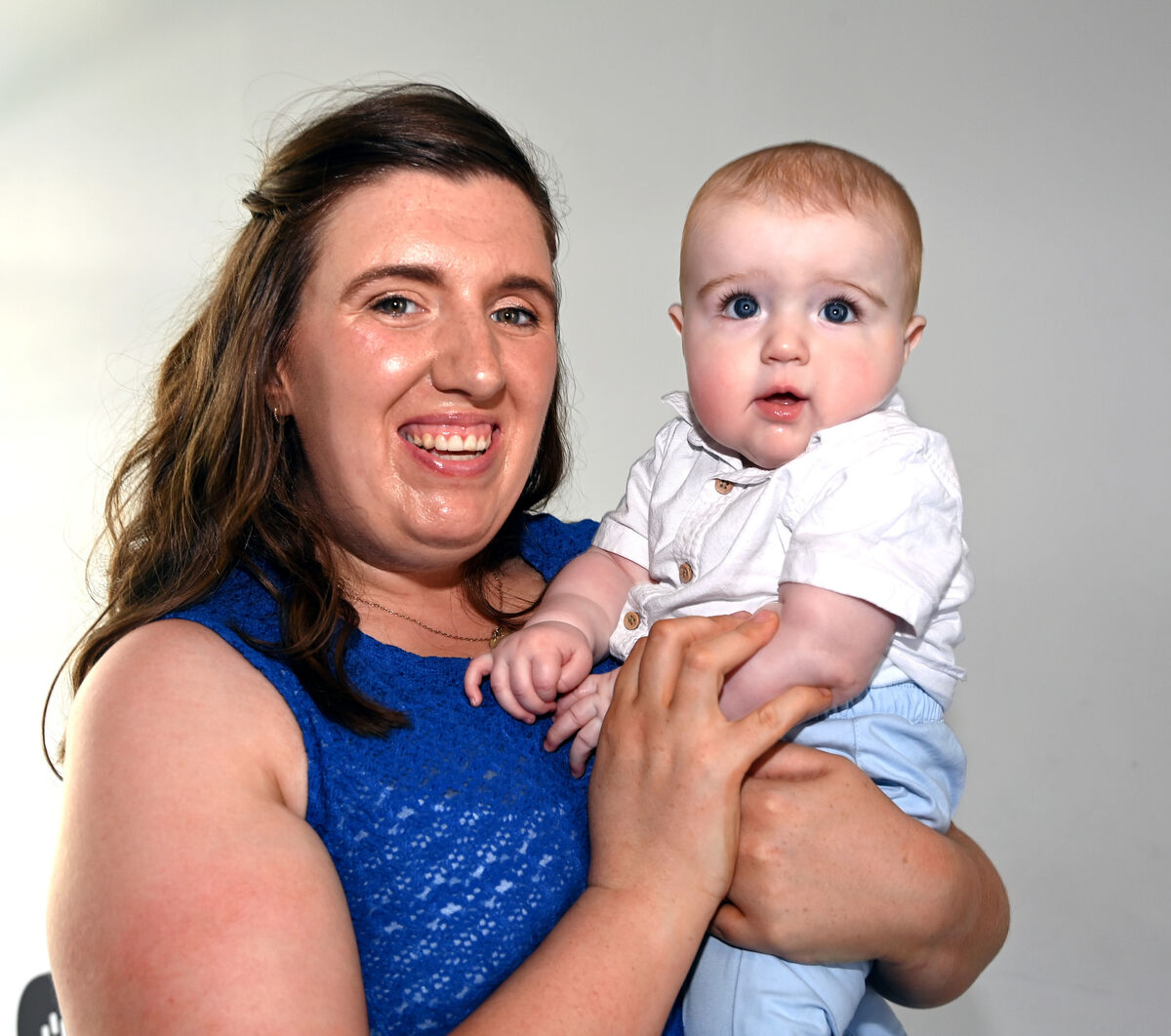
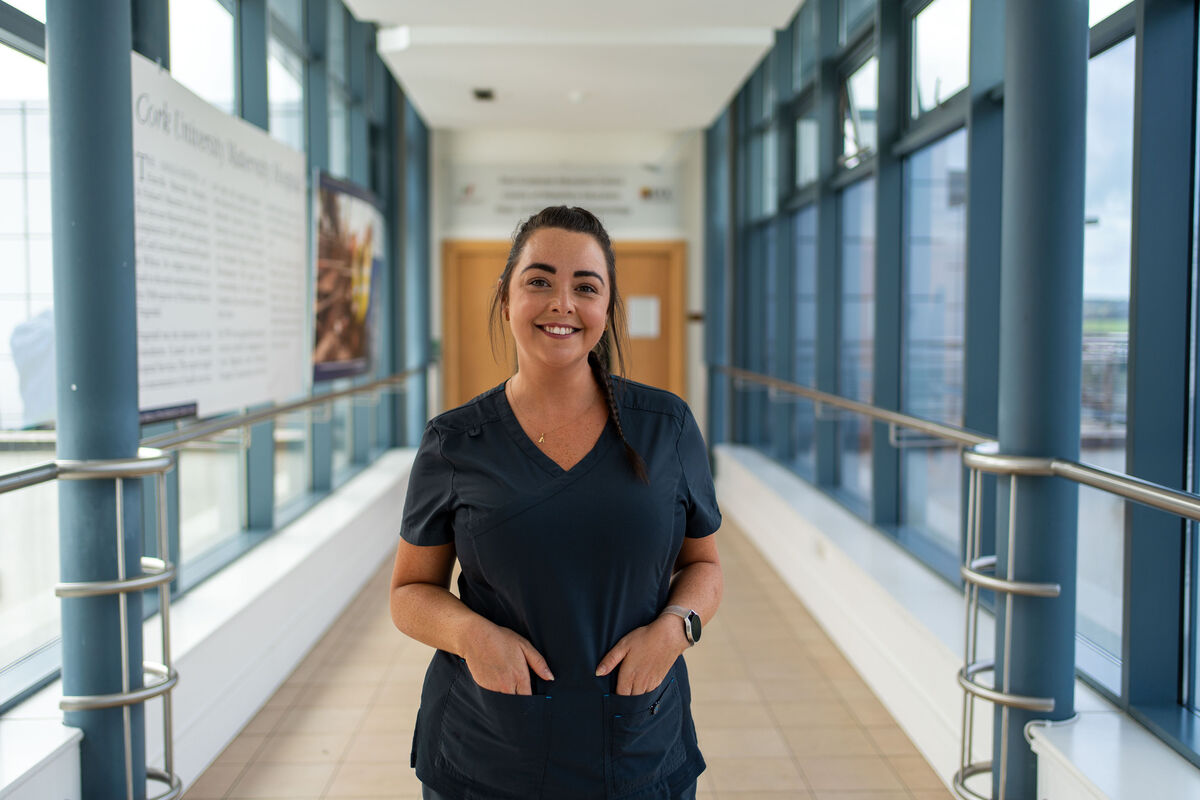
Margaret Barrett with her son Jack from Ballineen with staff midwife Maidead Forde from postnatal CUMH at a class in Clonakilty. Picture: Eddie O'Hare

Seven months ago, 32-year-old Margaret Barrett from Ballineen, Cork, had just become a mother. She was recovering from an emergency caesarean when her wound became infected, her blood pressure rocketed, and she had to be readmitted to hospital.

“Those were difficult weeks,” she says.

“My recovery was complicated. I was learning how to be a mother to Jack, and I was sleep-deprived and not thinking straight.”

One of the supports that helped her through those early days of motherhood were her weekly visits to the Clonakilty Postnatal Hub.

She had seen a poster at one of her antenatal scans and liked how it offered midwife care for mothers and babies.

Three weeks after Jack was born, Barrett was still in recovery mode when her husband James drove mother and baby to the hub, where she says she felt “instantly” welcomed and supported.

Margaret Barrett with her son Jack from Ballineen. Picture: Eddie O'Hare

“The midwives were so kind, asking me about Jack’s health and wellbeing and also about myself as a new mum. There were many moments over the following weeks when I felt unsure or needed guidance, and knowing I could turn to them made such a difference.”

The Clonakilty Postnatal Hub is part of a pilot network of hubs opened in 2023. Aoife Daly, the clinical midwife manager involved in setting it up, explains that the hubs were established in response to the National Maternity Strategy 2016 and the National Maternity Experience Survey 2020.

“The Department of Health launched the strategy to standardise and improve maternity care across Ireland and conducted the survey to get feedback from new mothers,” she says.

“The survey found that women rated postnatal care poorly. They felt minded by doctors and midwives from conception through pregnancy, labour, and birth but, after birth, many reported a lack of support.”

Aoife Daly at the CUMH where she manages a community oriented postnatal hub initiative. Picture: Noel Sweeney

This finding tallied with research led by Deirdre Daly, a professor of midwifery and the director of the Centre for Maternity Care Research at Trinity College Dublin.

She cites a 2022 study which examined the maternal health issues that mattered most to women

“Women consistently told us that care stopped once they left hospital. Many had minimal care beyond the public health nurse, who is obliged to visit every mother within 72 hours of her being discharged,” she says.

For many new mothers, that visit was not enough.

They told Deirdre Daly and her team that “the public health nurse focused more on their baby than on them”.

“Women described suddenly feeling invisible in a system that was supposed to be supporting them.”

The women Deirdre Daly interviewed also identified what she calls “an information seesaw”.

“Some were subjected to an onslaught of information, while others said they struggled to find reliable advice. Social media recommended this, that and the other, but they wanted a source of trustworthy information.”

Shortcomings in care

The Irish Examiner’s National Women’s Health Survey, conducted last year, further underlined the shortcomings in postnatal care.
Three in 10 women reported a lack of information about postpartum recovery. One in four complained they didn’t get enough advice about looking after their baby, and one in three said they had problems accessing breastfeeding supports.

In 2022, another of Deirdre Daly’s research studies asked women what solution they would like to see to these problems.

“The solution they suggested was a place they could go where there would be an attentive healthcare professional who would ask how they were and answer any questions they might have about their bodies, babies, or motherhood,” she says.

The postnatal hubs aim to be such a place. The first five were opened in various locations in Cork, Kerry, Carlow-Kilkenny, Sligo, and Galway in 2023.

Run by midwives in community healthcare settings, they provide services such as physical examinations, wound care, breastfeeding supports, birth reflection sessions, and the opportunity to be referred to specialist services like lactation consultants, perinatal mental health, or physiotherapy.

“Essentially, the hubs bring postnatal care out of the hospital and into the communities where women live,” says Aoife Daly.

“They are free of charge and open to women and babies in the first six weeks after birth.”

The Cork postnatal hubs run along the lines of what Aoife Daly describes as “a peer-to-peer support group facilitated by midwives”.

“They open weekly and give women the opportunity to meet and get to know other mums and listen to midwives and invited guests speaking about topics such as infant feeding. Women can ask questions and share concerns within the group or in private consultation rooms. There’s also a phone clinic for women who can’t make it to the hubs.”

When asked if the pilot hubs had achieved their aim Deirdre Daly’s response is enthusiastic.

“They do so beautifully,” she says.

“We carried out an external evaluation report in which we asked 292 women who attended the hubs the eight women’s health questions that were asked in the 2020 National Maternity Experience Survey. In all eight, women reported a marked increase in satisfaction.”

The success of the pilot has led to another four hubs being opened. There are three in Dublin and Wicklow, and associated with the National Maternity Hospital in Holles St, the Coombe and the Rotunda, while the fourth is at Our Lady of Lourdes in Drogheda.

‘Invaluable’ resource nearby

Lisa Dalton is a first-time mum in her 40s from Wicklow. She had her daughter Jasmine in Holles St four months ago and made regular use of her local hub in the weeks that followed.

“I developed pre-eclampsia and had to have a c-section,” says Dalton.

“When I got home, my public health nurse was excellent, but it would have been hard for me to travel an hour to Dublin if I needed extra support. It was invaluable to have the hub nearby.”

She found it “overwhelming to be a first-time mum, and having someone show me things like the best way to wind Jasmine, or tell me that we were both doing well, or even just having other mums to chat with made things a lot easier”.

Gwen O’Neill is the clinical midwife manager at the National Maternity Hospital who set up its postnatal hubs. She regards those hubs as “a bridge between hospital and home, supporting women as they navigate a transitional period that can leave many feeling overwhelmed and isolated”.

Clinical midwife manager, Gwen O'Neill, Parent Lisa Dalton and baby Jasmine at the Wicklow Primary Care, Post Natal Hub, Port road, Wicklow. Picture: Garry O'Neill.

Like the Cork hubs, the hubs associated with the National Maternity Hospital operate on a drop-in basis.

“Women can make an appointment or just turn up,” says O’Neill.

“We’re here to help with everything that relates to postnatal recovery and adjustment to motherhood, whether it relates to mothers, babies, or both. We want our hubs to be a place mothers feel supported, valued, and connected to others, and a place they know they can come with any sort of problem.”

One of the biggest benefits of the hubs, according to O’Neill, is that “small worries can be identified and addressed before they become big problems”.

Feeding issues are the most common, she says.

“Next would be emotional support. A lot of women struggle during those early days and appreciate having a safe space where they can ask questions and talk without judgement, knowing that they will be supported, heard, and helped.”

Aoife Daly adds that “early intervention helps long-term outcomes”.

“We can take a look at perineal stitches or post-section wounds and spot the signs of infection so that steps can be taken to prevent having to take antibiotics or hospital readmission. The continuity of care women get at the hubs allows midwives to spot if the baby blues aren’t lifting so that women get the support they need.”

Pelvic health

Deirdre Daly points out that hubs are likely to make a big difference to women’s pelvic health.

“Generations of women have suffered in silence with pelvic floor pain and urinary or faecal incontinence,” she says.

“Now that women have access to free pelvic physiotherapy in these hubs, these issues should be identified early and treated promptly so they don’t become chronic.”

Further hubs are planned to open in Waterford, Limerick, Cavan and Letterkenny later this year.

“What we want is to have hubs nationwide so that every woman in Ireland has a hub that offers free postnatal care in her local area,” says Deirdre Daly.

“ Ireland could serve as an example for other countries as to how postnatal care can best be done.”

The final word goes to mums Barrett and Dalton.

“I couldn’t have anticipated how much I’d appreciate the hub,” says Barrett. “Having the opportunity to meet new mums like me, having someone make me a cup of coffee I could drink while it was still warm, getting tips from the other mums and midwives, and knowing I could ask any question I wanted — no matter how small or silly it seemed — all of it really helped.”

Dalton encourages others to visit their local hub. “A friend of mine’s daughter had a baby last week, and I told her to use the hub. I’d love every mum to have the support I had.”

How to support new Mums:

New mothers can be inundated with advice following the birth of their babies. Not all of it is asked for, and sometimes it can even be unhelpful.

We asked the midwives what they would recommend partners, family members, and friends to say when talking to a new mum.

    Dr Deirdre Daly’s tip is essentially to keep mum.

“My bottom line is that we should listen to women,” she says. “So rather than telling them what you think, ask them how they are and really try to listen to what they tell you.”

    Aoife Daly’s suggestion is that new mums need a lot of support.

“Matrescence, or the transition to becoming a mother, is such a huge change in a woman’s life,” she says.

“Women need reassurance and positive feedback. They also benefit from any practical support you can offer. So only visit if asked or invited.

“Bring some cooked meals when you do. Hold the baby so that mum can have a shower or something to eat. Make her a cup of tea or coffee, and make sure she gets a chance to drink it. Look after everything around her so she can focus on looking after herself and the baby.”

    The aim should be to instil confidence in the new mum, says Gwen O’Neill.

“Hormones being what they are in the aftermath of pregnancy and birth mean that even a passing comment about the baby or what the woman is doing as a mother can have a big impact and undermine a mother’s belief in her own abilities. My advice is to focus on everything she is doing well.

“She grew a baby in her body for nine months. Then she delivered it, and now she is doing her best. She and those around her should take pride in all that she has achieved.”


x

More in this section

Lifestyle

Newsletter

Eat better, live well and stay inspired with the Irish Examiner’s food, health, entertainment, travel and lifestyle coverage. Delivered to your inbox every Friday morning.

Cookie Policy Privacy Policy Brand Safety FAQ Help Contact Us Terms and Conditions

© Examiner Echo Group Limited