Workplace aches and pains — how movement and stretching can help
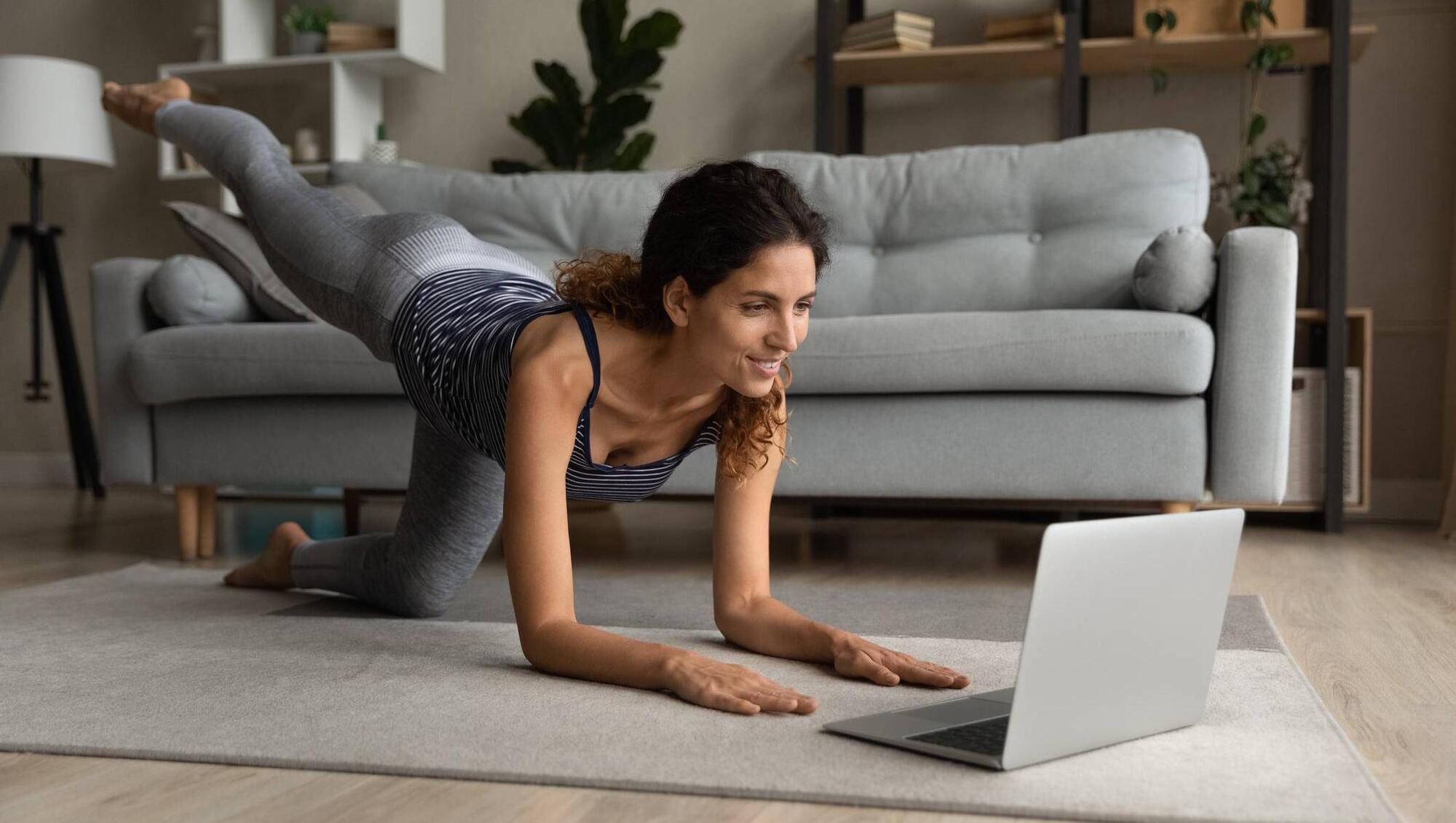
More and more of us are working in desk-based jobs, which can affect our health. Taking standing breaks, going for a gentle walk or doing yoga stretches can help relieve stress  and minimise the impact of prolonged sitting  
Pic: iStock

Pic: iStock

Amanda Spencer places a yoga mat next to her desk when she works from home. This isn’t because she’s a dedicated yogi. 

“When I lived in London years ago, I did yoga classes every morning,” says the Dublin-based marketing and communications director with the electric vehicle charging company ePower. 

“I don’t have as much time now that I have a child. But some of what I learned stayed with me and I find it helpful to roll onto the floor and stretch out my body when I get tired of sitting at my desk.”

She’s not the only one to have discovered the benefits of yoga in the workplace. During lockdown, many joined online yoga classes with teachers such as Adriene Mishler and have continued the practice. 

Employers are also getting in on the act, encouraging their desk-bound employees —the number has risen by 15% since the start of the pandemic — to avail of yoga classes that are increasingly offered as part of corporate wellbeing packages.

An Australian study published in 2011 found that the more time people spend in a sedentary position, the more adversely their glucose, cholesterol, insulin and triglyceride levels are affected.

“Increased sitting time has also been associated with a higher risk of developing metabolic syndrome, type 2 diabetes, obesity and cardiovascular disease. It’s been associated with decreased mental wellbeing too,” says researcher Aidan Buffey, who works in the faculty of education and health sciences at the University of Limerick (UL).

These health risks can be countered by factoring more movement into our working day. A 2014 Canadian study showed that standing up and moving leads to improvements in fasting blood glucose, waist circumference, cholesterol, insulin, and blood pressure.

Research carried out by Buffey and his UL colleagues reached comparable conclusions. When they compared the effects of standing and light-intensity walking breaks to prolonged sitting on health outcomes, they found that even brief standing breaks reduced glucose and that light-intensity walking led to even more beneficial effects.

Buffey believes yoga stretches in the office or working from home could have similarly positive results: “It offers the typical office worker the chance to replace their occupational sitting with physical activity and increase their overall physical activity with all of its associated health benefits.”

Aidan Buffey, who works in the faculty of education and health sciences at the University of Limerick (UL)

Elena Romero, who runs practiceyoga.ie in Dublin, has seen her corporate client roster grow since the pandemic: “I now teach lots of online classes to employees in different organisations.”

She has noticed that many of them complain about the same problems.

“They sit for long periods every day and this takes a toll on their bodies, leading to tightness, tension and strain in their neck, shoulders and back,” she says. “Through yoga, I show them how to stretch and strengthen their bodies, releasing that muscular tension in the process.”

Romero sees how the tight deadlines and busy schedules of the modern workplace are having an impact on employees’ stress levels: “Mental stress is manifesting in the form of stomach aches, headaches, fatigue, an inability to focus, a lack of clarity and irritability with others.

“Yoga and the way it grounds us in our breath and makes us more aware of our physical, mental and emotional selves can help.”

Time to switch off

The practice of yoga also involves relaxation and meditation, which allows us to switch off, even if it’s only for a short time.

“Taking that moment to slow down and pause can be a powerful tool in today’s hectic corporate world,” says Romero.

You don’t have to take her word for it. A growing body of research proves that yoga can help us deal with many health issues caused by modern work practices. Take lower back pain, for example. A 2017 study published in the Annals of Internal Medicine found that yoga was as effective in treating it as physical therapy.

Stress is another common problem in today’s workforce. A 2012 study in the Occupational Medicine Journal revealed a significant reduction in stress levels in employees who engaged in yoga-based interventions compared with a control group.

Yoga might help us concentrate, too. In 2013, researchers at the University of Illinois showed that a 20-minute yoga session could enhance focus and information retention, both qualities that are highly prized in the contemporary workplace.

Spencer finds it helps her to practice yoga in short bursts: “As a woman in my 40s whose job is desk-based, it’s not always easy for me to take regular movement breaks, but I try my best to do so as I always feel better when I do.

“I also like to stop from time to time to become more aware of my body and where it might be holding tension. If I’ve got a crick in my neck, for example, 30 seconds of rolling my head around can make a big difference. And focussing on my breathing for a few minutes allows me to return to work with more clarity. Small things like this make me more mindful as I go about my working day.”

Elena Romero, practiceyoga.ie

Accessible to all

Romero believes yoga is for everyone: “It’s not just for young bendy people. People think that yoga is about getting your body into poses but it’s not. It’s a tool to get into your body, to understand where you are holding tightness and tension and then releasing it.”

Yoga is also accessible to everyone. Because it ranges from gentle stretches to more vigorous sequences, it’s adaptable to all fitness levels.

Romero shares simple moves in her classes that we can all incorporate into our workdays.

“If you’ve been sitting at your desk for a while, stand up,” she says. “Raise your arms in the air and stretch out your body. Then rotate your joints, wrists, shoulders, hips and ankles. Rotate your head, too. These aren’t complex movements but they will get the blood flowing in your body. Usually, the simplest movements are the most effective.”

Taking time to connect with our breathing can have a positive effect too.

“Turn away from your screen, close your eyes and just breathe,” says Romero. “The breath is our most direct connection with our central nervous system and research increasingly backs up the idea that slowing our breathing helps us to manage stress and anxiety by activating the part of our nervous system that allows us to calm our bodies and minds.”

Yoga can support our physical health and mental wellbeing.

“It’s a way in which we can prioritise ourselves, even if it’s just for five minutes at a time,” says Romero. “Our brains are like our biceps. We can train them. By using yoga every day or even every second day to become more self-aware, we can make a big difference to how we feel in our bodies and minds, workplaces and lives.”

x

More in this section

Lifestyle

Newsletter

Eat better, live well and stay inspired with the Irish Examiner’s food, health, entertainment, travel and lifestyle coverage. Delivered to your inbox every Friday morning.

Cookie Policy Privacy Policy Brand Safety FAQ Help Contact Us Terms and Conditions

© Examiner Echo Group Limited