Workplace Wellbeing: The importance of dressing the part
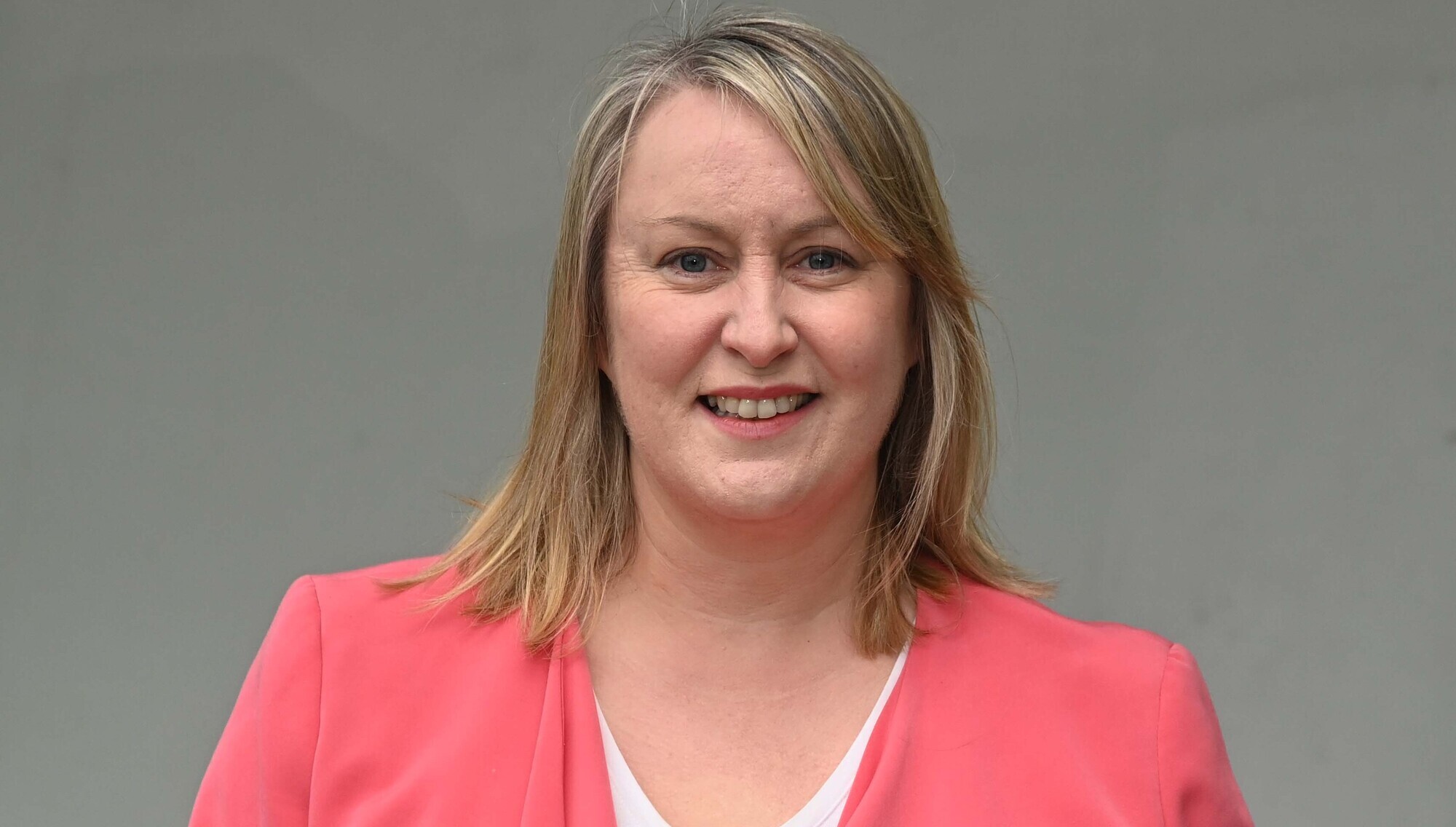
Mary Fleischheuer: "At a time when money was tight because we were setting up our business, it was such a relief for us to know that whatever happened, at least we’d look the part.” Picture: Denis Minihane.
First impressions matter, particularly in the workplace. Mary Fleischheuer, 47, from Cork city, knows how true this is.
In 2021, she and her sister were unemployed and had just completed a barista training course with the Cork Education and Training Board. “That experience had inspired us to open a coffee cart, but we needed some help,” says Fleischheuer.
They contacted www.workequal.ie, an organisation that supports people across Ireland who want to enter or re-enter the workforce. Formerly known as Dress for Success, WorkEqual was founded in 2011 by designer and social entrepreneur Sonya Lennon to provide free professional workplace styling and career consulting to women in Dublin. In the years since it has evolved into a national organisation.
“It was a huge help to us,” says Fleischheuer. “Styling was the main service that we availed of. We met with the stylist, got to try on lots of different outfits and left with a whole new working wardrobe. These were entire outfits complete with accessories such as scarves, bags and shoes and we even got makeup tips. At a time when money was tight because we were setting up our business, it was such a relief for us to know that whatever happened, at least we’d look the part.”
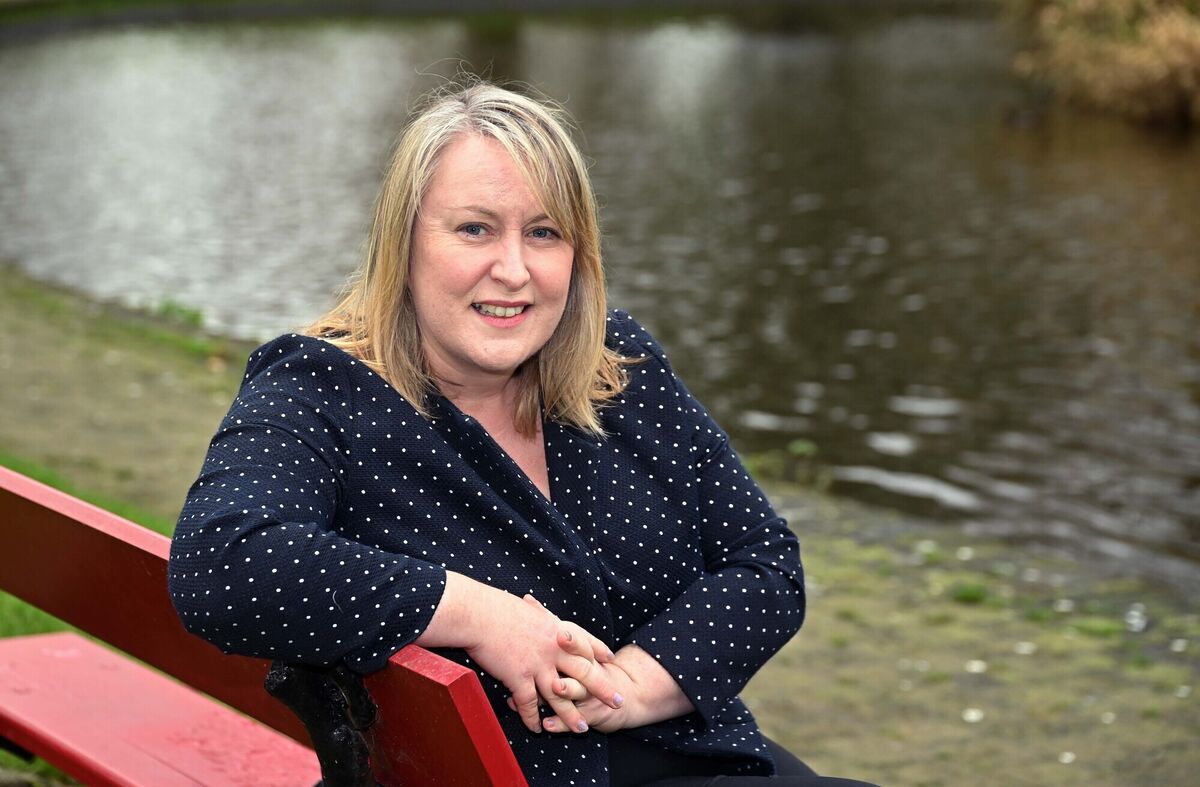
Dubliner Olive Currivan, 52, availed of even more services offered by WorkEqual. She turned to the organisation when she experienced a crisis of confidence after being made redundant in 2022.
“I didn’t think my future looked good at that time,” she says. “I didn’t think anyone would want to hire a woman my age.”
WorkEqual set her up with a career coach. “We’d meet every week and go through my CV, highlighting my most valuable skills and experiences and developing my interview skills,” says Currivan. “It boosted my confidence no end and helped me to realise my own value. I discovered I had expertise that I could bring to the job that best suited me and my skills. As a result, I was able to approach interviews secure in the knowledge that I had a lot to offer. All I had to do was to show that.”
One of the first things WorkEqual did was to provide her with a new wardrobe. “It’s important to do this part of the process early on as interviews can come around quickly,” says Currivan. “You can get an email today asking you to come to an interview tomorrow, so you need to have your outfit ready.”
Like Fleischheuer, she found WorkEqual’s styling service particularly helpful. “I walked out of that session with a few different outfits and feeling as if I could stand tall and look professional,” she says.
“I’m now working as an administrator for a government organisation, a job I’m really happy with.”

Penneys partnership
WorkEqual recently announced a new three-year partnership with Penneys that will see the fashion retailer provide €300,000 to allow WorkEqual to bring its services to communities across Ireland. Staff at Penneys will also be trained to offer personalised styling sessions and confidence-building workshops in stores nationwide.
WorkEqual’s founder Sonya Lennon welcomes this partnership. “Penneys has shops throughout the country, which means that we will be able to offer our services to many more people,” she says. “There are many who are still locked out of the Irish economy. From women re-entering the workforce after having children to immigrants and people who simply don’t know how to go about finding work, we want to support them all, and our partnership with Penneys will allow us to do that.”
By working together, WorkEqual and Penneys will help more people to dress for success. Doing so has proven advantageous to how employees are perceived in the workplace. A 2019 study by researchers at New York University found that people dressed in expensive-looking clothes were judged more competent than those wearing clothes that looked cheaper.
This discovery backs up the results of an earlier study carried out at the University of Hertfordshire in 2013. Some 300 participants were asked to judge a man’s confidence and success levels based on a photograph. All participants were shown two photos for five seconds at a time: one of the man wearing a tailored suit, and the other of the same man in a high-street suit. The man in the tailored suit was consistently rated more positively.
These findings don’t surprise Cloe Stapleton, recruitment and business director at Osborne Recruitment in Cork. “How you dress and show up for your interview shows the interviewer how genuinely interested you are in the job and their company,” she says.
Your attire can also have an impact on your confidence. ‘Embodied cognition’ is the term used to describe how what we wear affects our performance. A 2012 study by Northwestern University in the US proves it to be a real phenomenon.
In the study, groups were assigned tasks, some wearing lab coats while carrying out their tasks and others wearing their regular clothes. The groups in lab coats performed better every time.

Keep it simple
Stapleton has seen how dressing professionally can boost confidence. It’s why she always advises job seekers to take great care of how they dress.
“How you dress impacts your confidence going into the interview, so do yourself proud and don’t give the interviewer any reason to doubt you,” she says.
She also recommends researching the company culture in advance. “You can tell a lot from their company website and the photos they post on LinkedIn,” she says. “These can help you to determine if the company requires a professional dress code or if they are more laidback. but if in doubt, always dress business professional.”
She has other tips for interview success. “Try to avoid crazy patterns or clashing colours,” she says. “It’s best to keep it simple.”
“And pay attention to your hair, nails and shoes. It’s not just about clothes.”
Leave your coat in the car if possible. The interview room is likely to be warm, meaning you have to take it off and find a place to put it, which may prove awkward and only increase your nerves.
Stapleton suggests wearing a blazer instead. “It can complete a look, making it all the more professional,” she says.
The same applies to bags. “You really don’t want to bring too many things, including bags, in with you.”
Don’t forget comfort when planning your outfit either. “It’s important to wear something that fits properly and that you feel comfortable and confident in,” says Stapleton. “If you feel comfortable you’ll be able to fully concentrate on the questions you’ll be asked instead of worrying about how you look.”
Her final tip is to decide on your outfit in advance and ensure each item is ironed the night before.
Having a range of work outfits at the ready has certainly proven beneficial to Fleischheuer since she enlisted the help of WorkEqual in 2021.
“My sister and I have since sold our coffee cart, but I now work in retail and use the working wardrobe that WorkEqual gave me every day. Having them to fall back upon takes a lot of the worry away as I can go to work feeling confident that I look good.”
CONNECT WITH US TODAY
Be the first to know the latest news and updates