Workplace wellbeing: When your colleagues become your friends
We learn from the people around us, so good relationships at work are healthy, so long as they don’t get cliquey or gossipy or involve favouritism
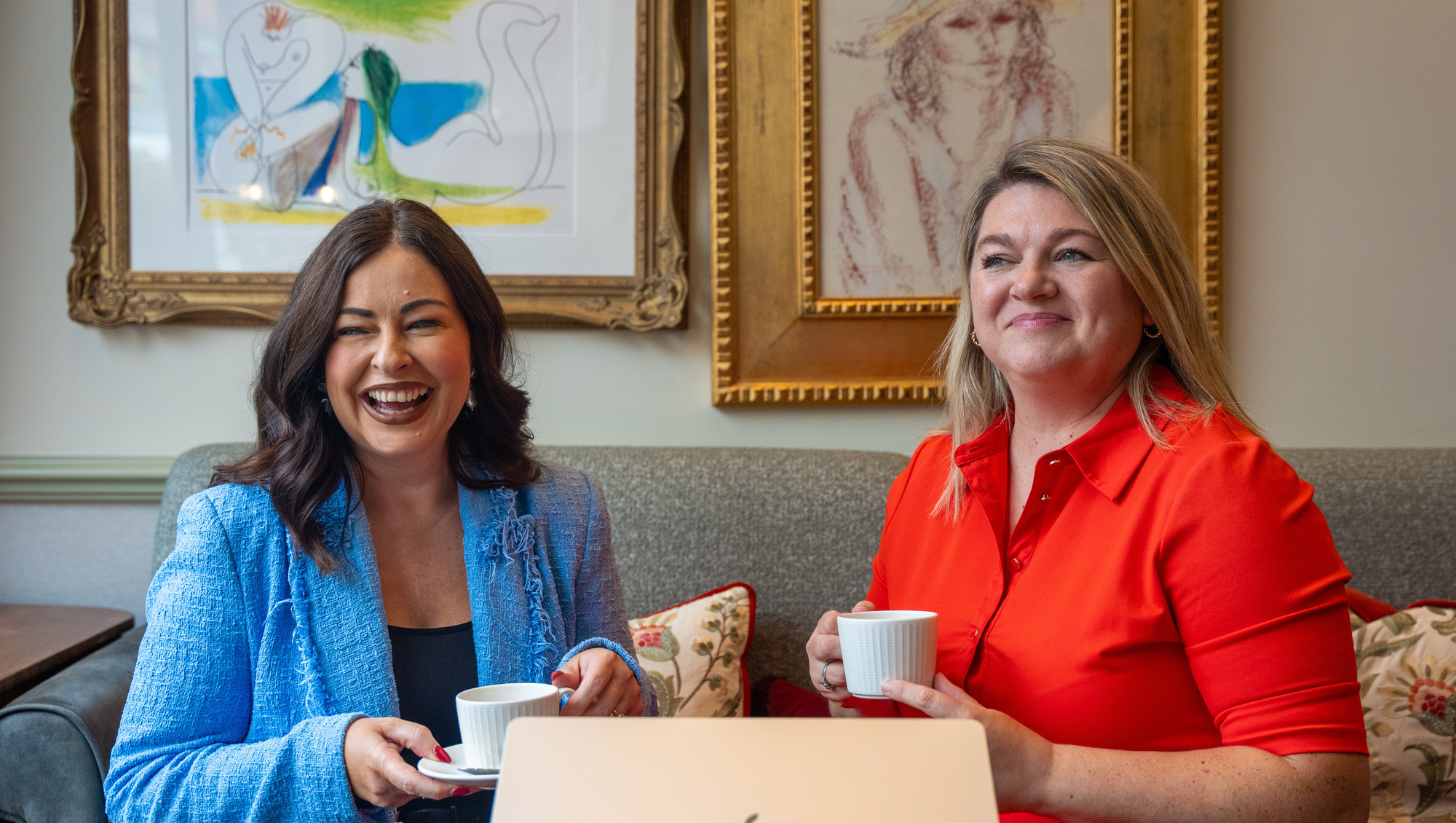
Friends at Work: Sandra Murphy and Kylie Basnett are good pals who work together at the Triago Hotel Group. Picture: Noel Sweeney

Friends at Work: Sandra Murphy and Kylie Basnett are good pals who work together at the Triago Hotel Group. Picture: Noel Sweeney

HAS your boss encouraged you to download a wellness app? Or invited you to a workplace yoga session, nutrition seminar, or lesson in mindfulness? While wellbeing initiatives can be worthwhile, nurturing the relationships we have with our co-workers can have as significant an impact on our working lives.

Just ask Kylie Basnett and Sandra Murphy. Basnett is the corporate sales manager of Trigon Hotels in Cork, while Murphy is the hotel’s group brand and communications manager. They have worked together since Murphy joined Trigon Hotels 10 years ago.

Basnett remembers their relationship developing “very naturally”.

“We’re similar in that we’re hard working, care enormously about what we do, and are very much team players,” she says.

“We’re also working mums, which creates another level of understanding between us. There are mornings when one of us arrives at work after being awake half the night with a child, or weeks when a hundred things are happening at once. You don’t have to explain it. A quick look across the office and you know the other person gets it.”

Having a work friend like Basnett makes “an enormous difference”, says Murphy. “Work is such a big part of our lives that having someone there who you trust and who understands you professionally and personally is so valuable,” she says.

“We have each other’s backs, bounce ideas off each other, and there is real honesty between us. We can ask each other’s opinion and know we’ll get a genuine answer. We also laugh a lot, which shouldn’t be underestimated.”

Aoife O’Brien, a work and organisation behaviour specialist and author, says feeling connected to others and having a sense of belonging are fundamental psychological needs. “When we have that at work, we’re more likely to be motivated, engaged, and feel good about the work we’re doing.”

When people know and trust their colleagues, they are more likely to share information, ask for help, and learn from one another, says Dr Jane Bourke, a professor of economics at University College Cork.

“An important part of this is the exchange of so-called tacit knowledge,” she says. “Tacit knowledge is the practical know-how we gain through experience that is difficult to write down in a manual. We learn a huge amount informally from those around us: By asking questions, observing how experienced colleagues deal with problems, and through everyday conversations. Good relationships make that exchange of knowledge easier, as well as making work more enjoyable and strengthening employees’ sense of belonging to the organisation.”

Workplace loneliness

People who feel isolated at work and disconnected from colleagues can suffer professionally. Bourke outlines how having fewer opportunities to ask for advice, exchange information, or acquire tacit knowledge can be “particularly detrimental for people who are new to an organisation or early in their career, as informal learning from more experienced colleagues is especially valuable at this time”.

Workplace loneliness is also associated with poorer job performance and a greater likelihood of subsequently leaving. “It has implications for learning, performance, and staff retention,” she says.

Workplace loneliness can take a personal toll, too. O’Brien found it “really hard” when two of her closest colleagues left the workplace within a short space of time. “Suddenly, I didn’t have those people to turn to, to ask a quick question, or share a frustration with. It brought home how much those relationships had shaped my experience of work.”

A growing body of research proves the value of strong working relationships. For example, a 2018 US study found they improved productivity and job satisfaction.

A 2011 study showed that these relationships even impact our health. The researchers followed 820 adults for 20 years and found the factor most closely linked to health was the support of co-workers.

When asked if such findings should prompt us to become friends with all our colleagues, O’Brien’s response is clear: “absolutely not”.

“We don’t need to be friends with everyone we work with, and trying to force friendships can come across as fake or disingenuous.

“It’s far better to treat colleagues with respect and show that we care about them as people. That doesn’t always turn into friendship. We’re naturally going to connect with some people more than others.”

Close, but not too close

If you do connect with a colleague, watch for certain pitfalls so that your relationship doesn’t become problematic. One is gossiping and complaining about co-workers.

“Having someone to share frustrations with can be helpful, but there is a point where it can tip over into reinforcing negativity,” says O’Brien.

Another potential problem is the power clash when one friend is promoted above another. O’Brien has had a friend become her manager and later became the manager of someone with whom she was friendly.

She says, “Both friendships became difficult. When one person has responsibility for the other’s performance, feedback, and progression, the relationship changes, whether you acknowledge it or not. There can also be issues of favouritism — or even just the perception of favouritism — from others on the team.”

Basnett and Murphy do their best to sidestep problems. “We try to be conscious of maintaining professional boundaries,” says Basnett. “For us, friendship has never meant we don’t challenge each other or that we automatically agree.

“We can disagree about something at work, have a robust conversation about it, and then go for a coffee afterwards. Neither of us takes it personally.”

Murphy adds two more issues that they try to steer clear of: Becoming too cliquey and distracting one another. “We both work with lots of other people and don’t want our friendship to exclude other colleagues,” she says. 

Sandra Murphy and Kylie Basnett have worked together since Murphy joined Trigon Hotels 10 years ago. Picture: Noel Sweeney

“And we’re well aware that friends can distract each other, particularly when there’s a good story to be told. But we’re more likely to remind each other of what needs to be done and get back to work.”

How can we build good relationships with our colleagues? Bourke believes that the most lasting relationships “often develop through small, repeated interactions. Making time for coffee or lunch, asking colleagues about their work, offering help, and having informal conversations can help build familiarity and trust.”

O’Brien’s tips include “taking a genuine interest in people, listening to what they have to say, and making time for conversations that aren’t always about the task at hand”.

This can be tricky if you work remotely. If that’s you, O’Brien recommends being “more deliberate and intentional about checking in and making time to get to know your co-workers”.

Employers can help foster closer connections between colleagues. “They can’t manufacture friendships,” says Bourke. “But they can create opportunities for relationships to develop.”

Bourke gives examples such as group onboarding for recruits, team activities, team lunches, mentoring, and buddy systems, all of which she believes “create conditions for meaningful connections to develop naturally”.

Murphy has the final word: “The positives far outweigh any potential negatives as long as there is genuine mutual respect,” she says. “Kylie and I have responsibilities to the business and our wider team, and our friendship doesn’t change that. The two relationships complement rather than compete with each other. We’re colleagues, friends, and cheerleaders for each other, and that makes our working days —especially the difficult ones — a little bit easier.”

More in this section

Lifestyle

Newsletter

Eat better, live well and stay inspired with the Irish Examiner’s food, health, entertainment, travel and lifestyle coverage. Delivered to your inbox every Friday morning.

Cookie Policy Privacy Policy Brand Safety FAQ Help Contact Us Terms and Conditions

© Examiner Echo Group Limited