How to turn a life-changing 'workquake' into an opportunity to benefit your career

A seismic shift in your work life or an event that prompts you to rethink your professional life can benefit your career in the long term 
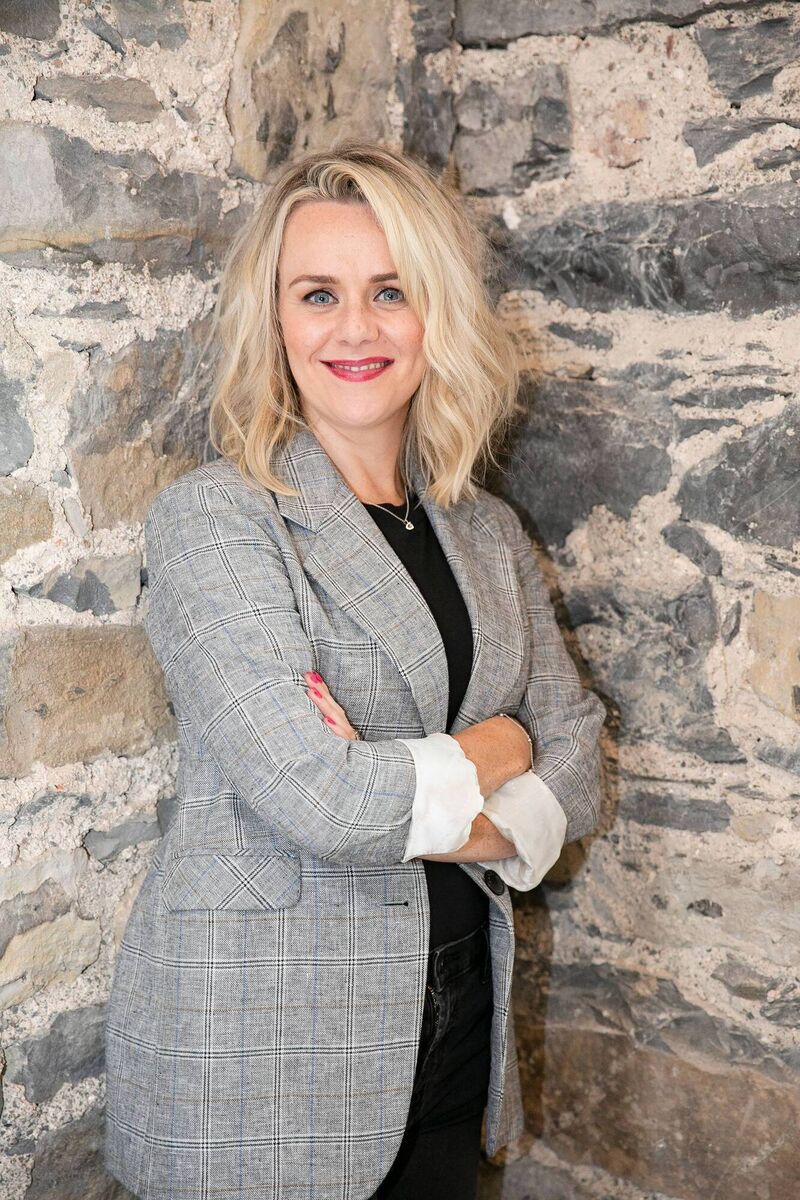
Lucy Gernon, career coach

Lucy Gernon, career coach

Lucy Gernon upended her entire career in 2020. Having spent 20 years working as a microbiologist in the pharmaceutical industry, living through a global pandemic made the now 42-year-old from Carlow re-evaluate what she was doing with her life.

“I’d spent two decades succeeding in playing the corporate game, but it was a different story behind the scenes,” she says.

“I had constant anxiety, poor work-life balance, and serious self-doubt. I also had a nagging feeling that I should start my own business.

“But it was only during lockdown that I understood how tired I was of the rat race. At the same time, my father-in-law was diagnosed with an incurable brain tumour and died six weeks later in 2020. That taught me that life isn’t a dress rehearsal. This is it.”

Gernon interrogated exactly what she wanted from her work and realised that what she had always enjoyed most was supporting people in their personal and professional growth. “Two days after my father-in-law’s funeral, I started a professional coaching course and ten months later, I set up www.lucygernon.com — which has grown to become an internationally recognised professional development company for women in corporate leadership,” she says.

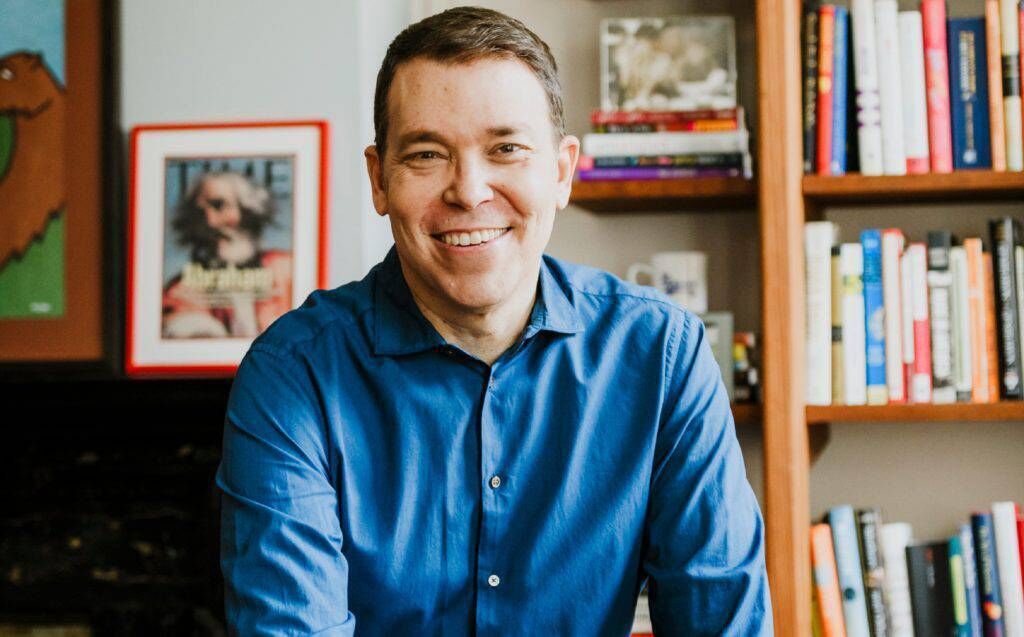
Gernon had gone through a workquake, a term coined by Bruce Feiler — the New York Times bestselling author of The Search: Finding Meaningful Work in a Post-career World.

“A workquake is any moment of instability in our work lives or a disruption that prompts us to rethink what we’re doing professionally,” Feiler says.

“From researching 400 workers in the US for my book, I concluded that the average person goes through a workquake every 2.85 years.

“That’s 20 over the course of their lives. This means you or someone you know could well be experiencing one right now.”

Many things can trigger workquakes. According to Feiler, 45% of them start in the workplace itself.

Maybe you’re made redundant or perhaps you fall out with your boss.

The other 55% begin outside of work. It could be as simple as taking time to reflect at the end of the year and realising that your work no longer gives you a feeling of purpose.

It might be suddenly understanding that time is finite, as Gernon did during the pandemic. Or it could happen when your priorities shift after starting a family.

“Some of these things are involuntary and negative, like losing a job or a recession,” Feiler says.

“In my case, I was diagnosed with an aggressive bone cancer in my leg — in my early 40s — when I had a vibrant work life as a travel writer and TV host that took me around the world. Suddenly, I had to completely change what I did.”

Others can be voluntary and joyful. “Like moving to follow a spouse,” Feiler adds,“or quitting a job to start your own enterprise. My wife and I are parents to twin daughters.

“Their birth was a workquake in our lives. It was wonderful, but everything about how we worked and lived needed to change.”

Bruce Feiler
Bruce Feiler

Non-linear careers

Sinéad Brady is a career and counselling psychologist and author of Total Reset, a book exploring what we want from our careers.

“Careers are no longer linear,” she says. “Most of us won’t have one job in one industry for the entire course of our lives.

“Instead, we’ll experience many so-called workquakes that will motivate us to change the way we work. Maybe we’ll have to take on caring roles, which could affect the time and energy we give to our work.

“Or we might get headhunted for a new role. So much can change in our lives and wider society, and all of these changes can impact the way we want to work.”

The fact that the linear career has run its course is bemoaned by many, but Feiler believes its demise should be seen as something to celebrate.

While some people decide on a career at a young age and stick to it for life, far more of us are likely to revise our passions, shift our priorities, try new things, and change direction as our career progresses.

“We no longer have to follow the rat race,” Feiler says. “We can run whatever race we want.”

As Gernon’s story shows, our professional lives can change over time. The career path she chose in her early 20s suited her initially but, ultimately, she decided not to follow it for the rest of her life.

At certain points in our lives, we may choose a job because of salary and benefits while at other times, we might choose ajob “because it allows us to serve others, start a business or nonprofit, or express ourselves creatively,” Feiler adds.

Sinead Brady. Pic: Sonja Smith Photography

Something’s off-balance

If the ground beneath your professional life is currently shaking, the answer isn’t necessarily handing in your notice in January. Brady suggests viewing it as a sign that something is off balance and needs correcting.

It may be that all that’s required is a minor adjustment to the way you work. It could also be that the time has come for drastic action.

“Take some time to determine exactly what you’re feeling,” Brady says. “This will probably be more challenging if you’re not the one driving the change, if the trigger for this workquake is something outside your control — like redundancy.

“But any workquake can have a good outcome if you give yourself time to re-evaluate your professional priorities.”

She suggests some questions to kickstart that process. “Ask yourself what you are doing, right now, and how you are doing it. What would you like to be doing and how? If these things are very different, is there anything you can do about it? What are the things you enjoy about your job? What do you dislike? What attracted you to the job in the first place? The answers to these questions should help you see what needs to change.”

Feiler has a saying he likes to use: “The people who are happiest at work don’t climb, they dig”.

They carry out an audit of themselves by questioning what gives them meaning and satisfaction.

That’s what Gernon did when she had her workquake, and it helped her decide that her future lay in coaching people. “I wanted to support women in accelerating their careers, while maintaining balance in their lives,” she says.

“I invested in courses to upskill, sold my car, and reduced my spending before taking a leap of faith.”

Not everyone will want or even be in a position to do something this drastic, but there are more minor adjustments we can all make.

“Maybe you’re tired and feel like you no longer have what it takes to move up the ranks,” Brady says.

“That doesn’t necessarily mean quitting. It could be that you decide to pull back a little. You might go part-time or work from home some days. Or you might decide that you won’t strive as much, but focus more on a balanced life — allowing time for exercise, breaks, and building up your physical and mental health, as well as time for work.”

Rather than viewing a workquake as a crisis, Feiler believes we should see it as an opportunity. By assessing why we feel the way we do, we can gain insight into what would bring more purpose to our work.

“Using that insight,” he says, “we can then begin to write a work story that’s more suited to our lives.”

More in this section

Lifestyle

Newsletter

Eat better, live well and stay inspired with the Irish Examiner’s food, health, entertainment, travel and lifestyle coverage. Delivered to your inbox every Friday morning.

Cookie Policy Privacy Policy Brand Safety FAQ Help Contact Us Terms and Conditions

© Examiner Echo Group Limited