Consumer Corner: How to spot a text from a fraudster
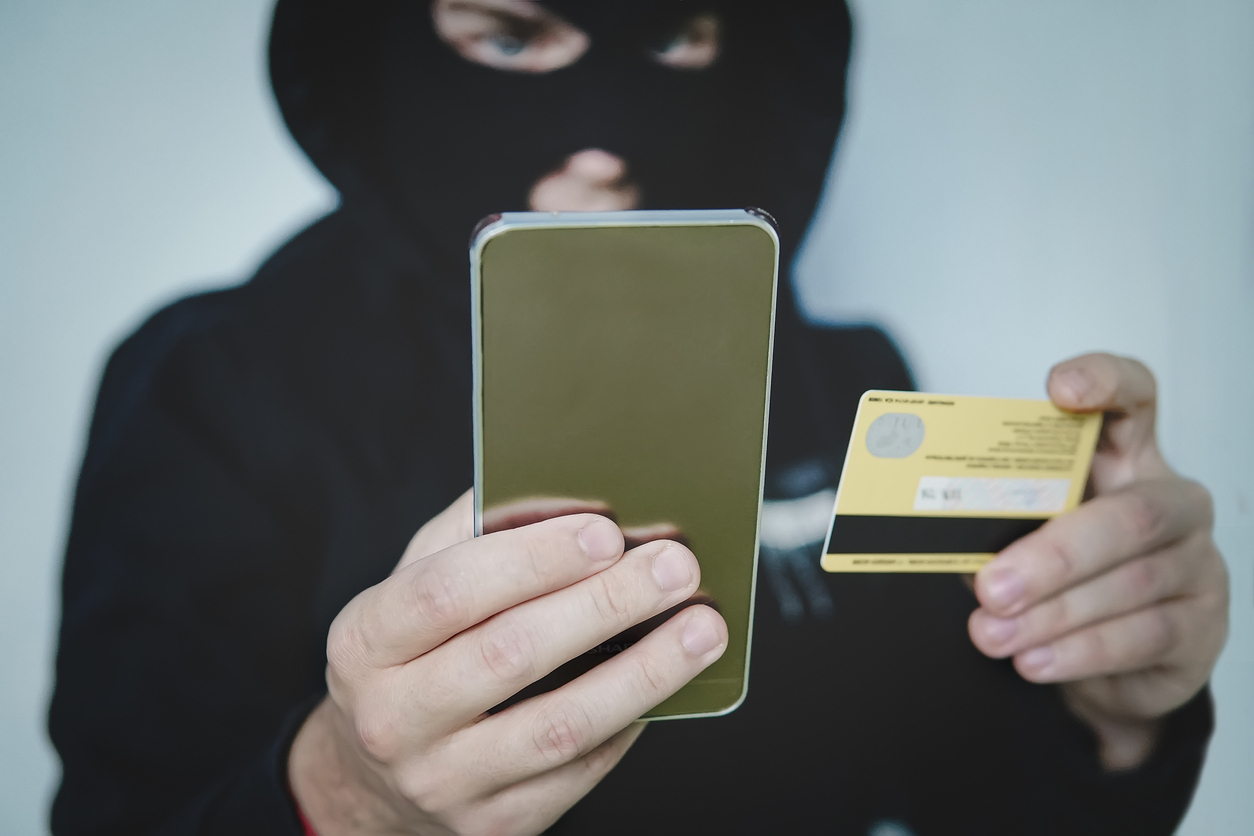
Fraudsters don’t care about you, all they want is your money. And, they will go to any lengths to get that money.
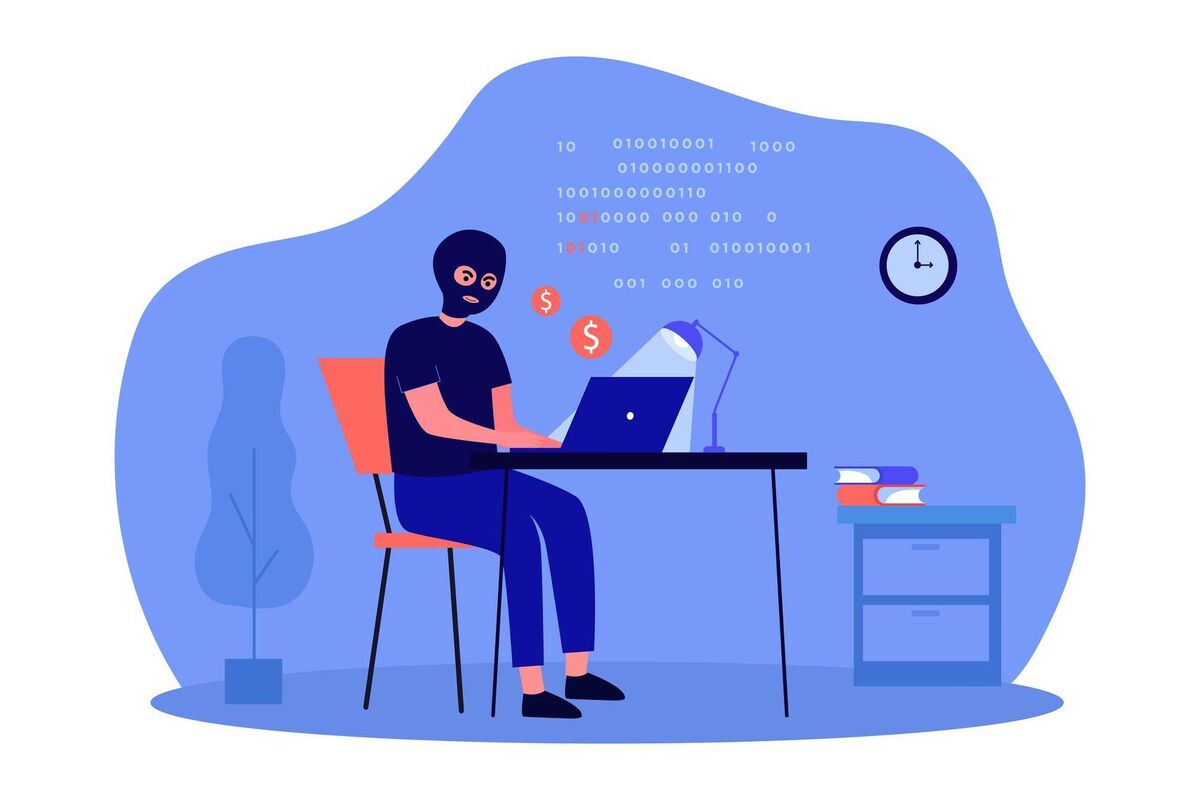
There’s a text doing the rounds pretending to be from An Post. This text goes to the core of online scamming. It looks real. It’s letting you know there’s a parcel waiting for you, all you have to do is pay €1.90. The desire to have this parcel that could be something you forgot you ordered late one night may outweigh the common sense that must come into play when faced with the dilemma — is it real or not?
Like other businesses that have to manage online scamming, An Post does what it can to protect its customers. But this wave of online text scamming is starting to feel like it’s getting out of control and it’s hard to know how far things will go.
An Post has issued warnings that it will never call, email, or text asking for your bank account or card details, user ID, or PIN. It also says it will never send customers messages that contain any links when contacting them about the payment of customs charges. The message from other businesses is similar.
Fraudsters don’t care about you, all they want is your money. And, they will go to any lengths to get that money, such as pretending to be someone’s child. Fraudsters are texting and engaging their victims to the point of carrying out a text conversation posing as their child and then asking “their” parent to send over a picture of their credit card as they need to buy a new phone quickly.
According to Visa, consumers are targeted about twice a week by online scams. It says that in order to protect ourselves we need to learn the language of fraud and spot common strategies used by fraudsters.
Visa says some things to look out for is bad spelling and grammar, persuasive language, and inviting you to click on a link. A key giveaway is that the fraudsters will ask you to solve a problem like paying a late fee. Words to look out for in fraudulent text messages include ‘click here’, ‘account information’ and ‘gift card’.

AIB is currently letting customers know about a taxi scam which it says shows “the lengths fraudsters will go to get their hands on your card”. The fraudster calls or texts pretending to be from AIB to tell the victim their card details are already in the hands of criminals and that AIB has arranged for a taxi to collect the card from them.
“A genuine taxi arrives, collects the card, and innocently delivers it into the hands of a real criminal. They now have access to the money in your account,” says AIB.
According to the Banking and Payments Federation of Ireland (BPFI) the advice is not to click on links in text messages if you are unsure. Do not reply or provide information and delete the message.
It says if you are unsure of the legitimacy of a text message, ignore it and contact that company or service directly using the contact details provided on its website.
It also says that if you think you have responded to a scam text message, contact your bank.
In the world we now live in we just have to become even more aware of the new dangers out there and follow a basic rule — if it doubt, check it out.

Cancel anytime
CONNECT WITH US TODAY
Be the first to know the latest news and updates