Book reviews: Local history books explore Irish terms, both clever and clem 
A range of books look at the most celebrated of Irish catchphrases and a humorous tour of the oddities of Hiberno-English to the richness of regional slang, plus a look at placenames, curraghs and Cavan’s Cootehill railway station
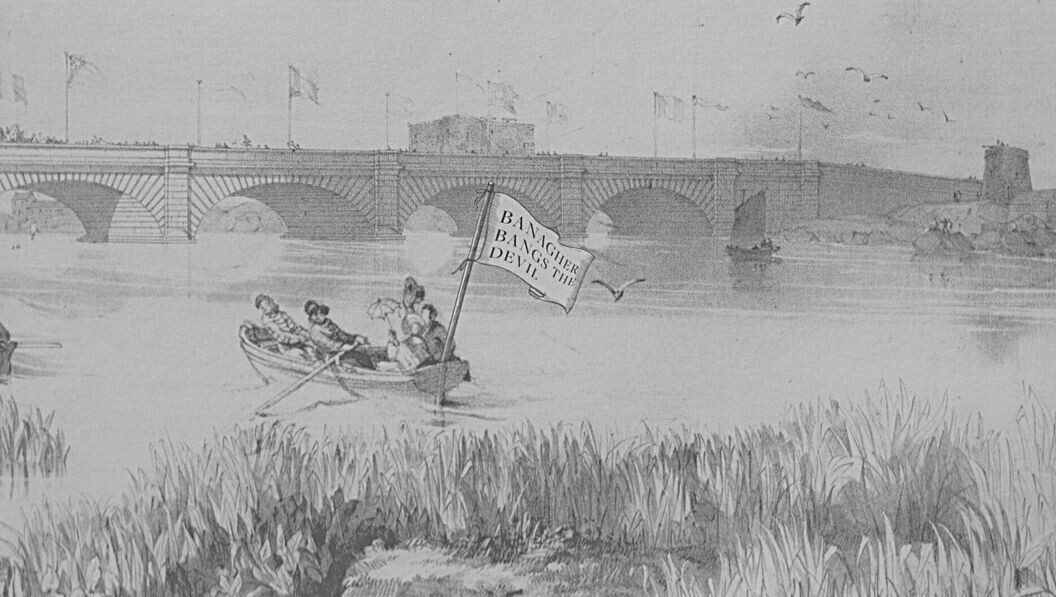
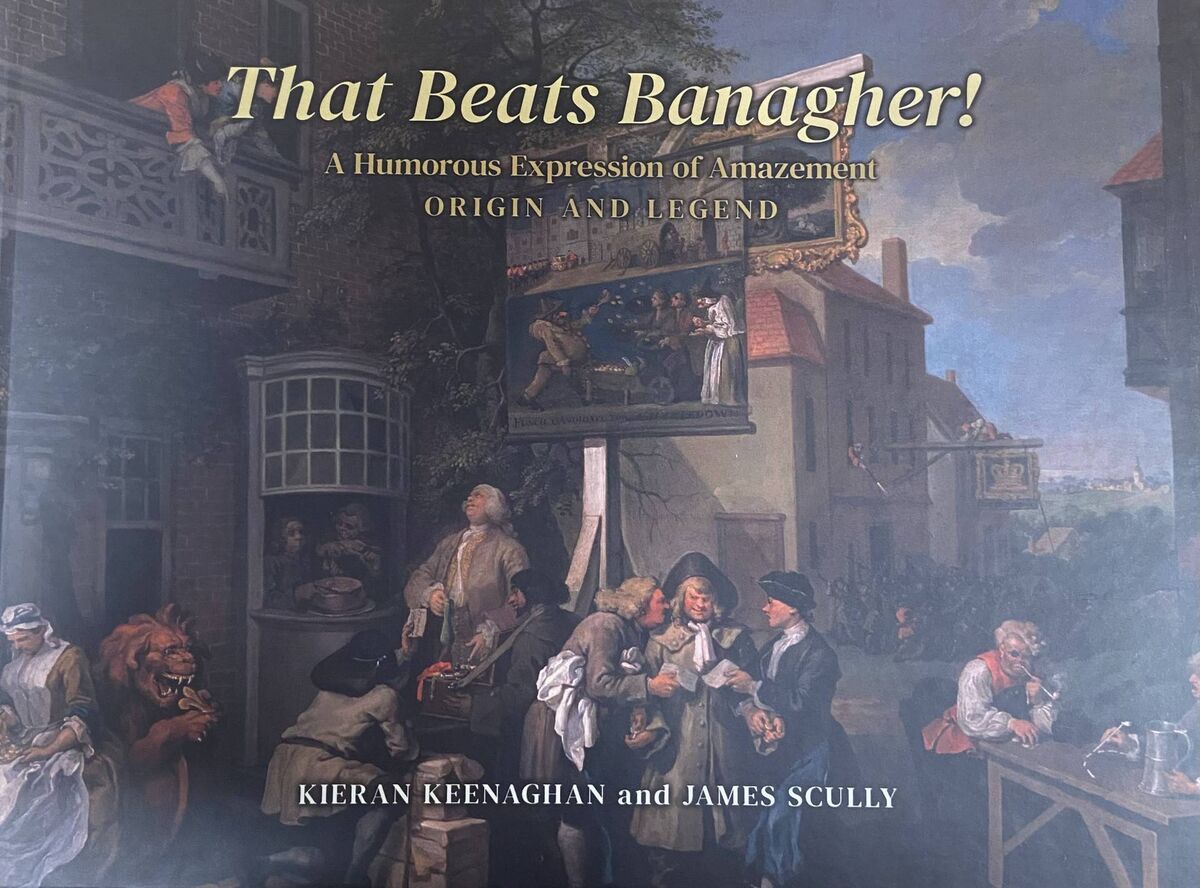
An image from ‘That Beats Banagher!’ by Kieran Keenaghan and James Scully; the book is a delightful hardback about the famed idiom, which has been in use for more than 250 years.

An image from ‘That Beats Banagher!’ by Kieran Keenaghan and James Scully; the book is a delightful hardback about the famed idiom, which has been in use for more than 250 years.

One of of the most celebrated Irish catchphrases is the jocular “That beats Banagher”, and its longevity has led to a book on the history of the saying with links to the Offaly town. 

That Beats Banagher!: A humorous expression of amazement: origin and legend  (Offaly History, €20), co-authored by Kieran Keenaghan and James Scully, is a delightful hardback about the famed idiom, which has been in use for more than 250 years.
The colloquial phrase originated through the political swapping, selling, or buying of the borough of Banagher, a practice established in 1629. 

The saying appeared in Francis Grose’s A Classical Dictionary of the Vulgar Tongue, published in 1785. 

During the 1830s and ’40s, Daniel O’Connell’s repeated use of the quip in his speeches in support of Repeal ensured its early popularity, although he chose to say “That bangs Banagher”.

Since then the adage has achieved global reach in newspapers from the Birmingham Express to the Bombay Gazette. 

In some publications, Banagher and Banaghan are interchangeable. Numerous celebrated authors, including Anthony Trollope, who was based in Banagher when he was deputy surveyor of post offices in the early 1840s, used it in their books.

 Other writers who have wove in the phrase include Charles Dickens, William Carleton, Agatha Christie, Brendan Behan, William Trevor, and Edna O’Brien.

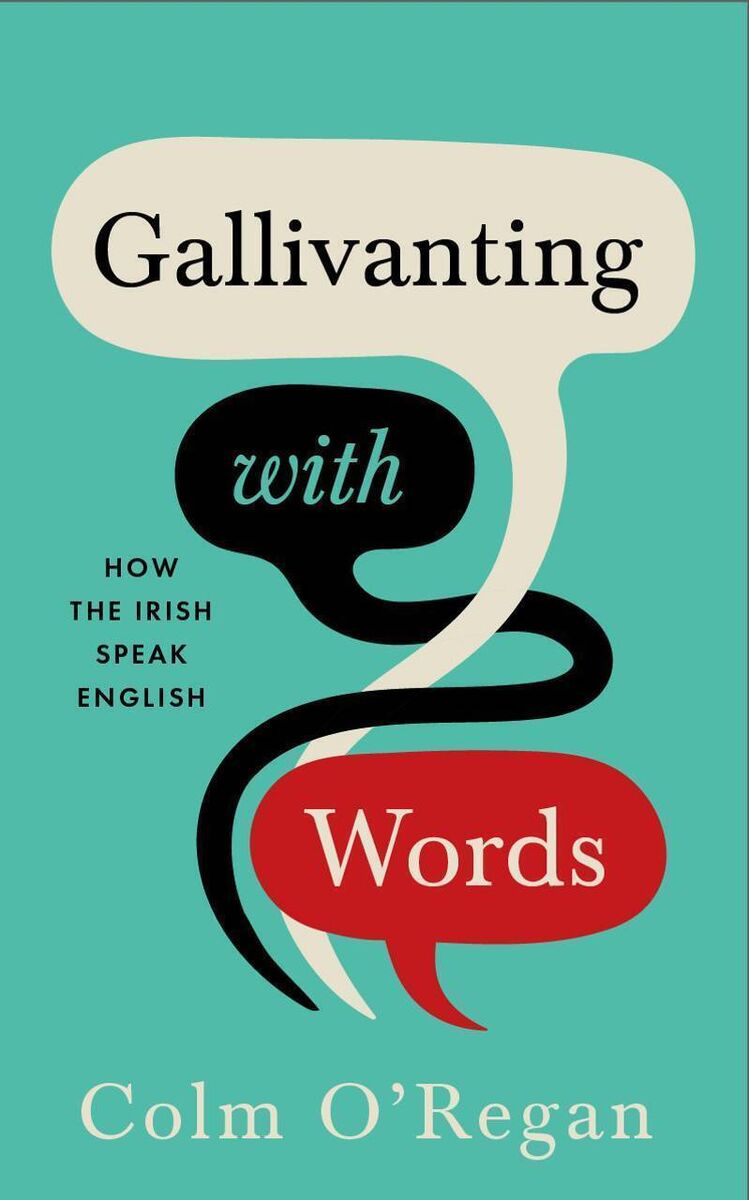
Colm O’Regan’s Gallivanting with Words: How the Irish Speak English (Gill, €16.99) is a humorous tour of the oddities of Hiberno-English in which he aims to bring the gallant back to gallivant. 

The book embraces all four provinces, with the author hunting down fascinating nuggets alongside intriguing words from each county. 

For example, in Kilkenny a “gad” is a “dosser”, while “Sevastopol” is a word for “ill-treatment”, which may have been a relic from the Crimean War. 

In Offaly, “cat malojen”, refers to something very bad and in the same county the word “clem” means “stupid”. 

The use of “quare” as an intensifier for “very” turns up in Wexford, where it came from the Yola dialect of Forth and Bargy — Forth Mountain is a quartzite ridge with old quarries.

In a section on terminology the list includes “avillish” (sweetheart), “dollacalling” (bungling), and “noodey-nawdy” (someone who can’t make up their mind).

He highlights what is called the “after perfect”, one of the most recognisable of Hiberno-English grammatical features used to show that you have just done something, as in the phrase “I was after leaving the house”, which comes directly from the Irish.

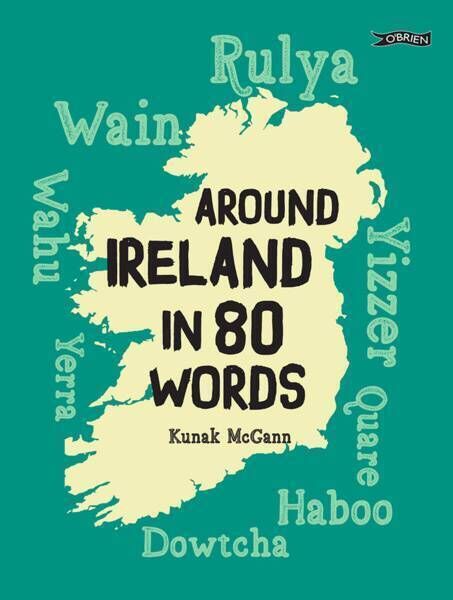
The richness of regional slang is examined in Around Ireland in 80 Words (O’Brien Press, €9.99) by Kunak McGann. 

Examples include “telpis”, a quiet prayer and short form of “God help us” heard in Limerick, while in Galway “loveen”, used in the phrase “Howya, loveen?”, is a doting affection. 

A word popular with people in Ballina, Co Mayo, is “Wahu”, which means “Hi, how are ya?“; in Longford, Cavan and Fermanagh “ojus”, the local pronunciation of odious, means “not good at all”, and “gradgins” for “crumbs” is popular in Carlow and Wexford.

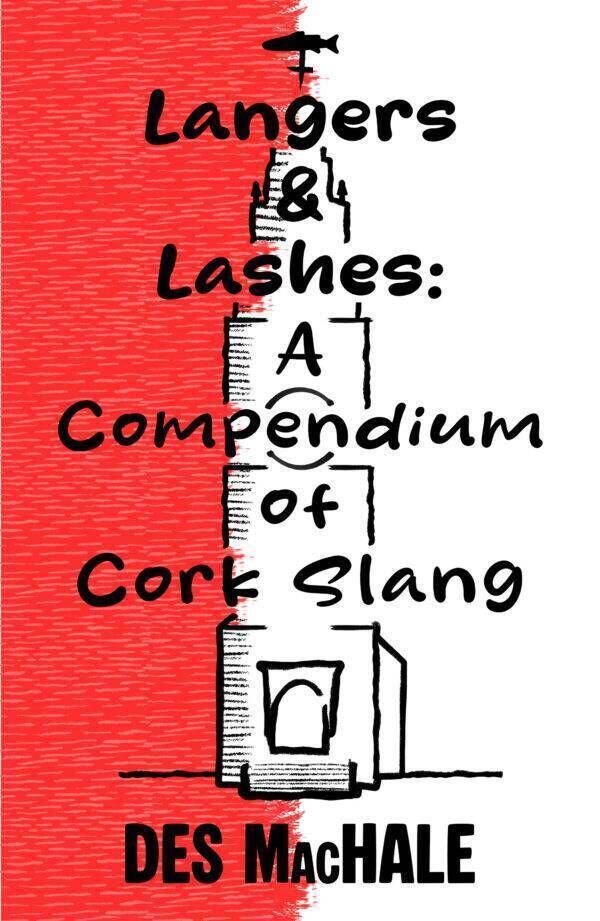
In Langers and Lashes: A Compendium of Cork Slang (Mercier Press, €12.99) Des MacHale delves into inventive, sarcastic and hilarious examples of the unique street language of Corkonians.

A ‘Giddy bang’ is an uncontrollable fit of laughter, a ‘Ponniwalloper’ is someone who does the washing up, ‘Highcockalorum’ is an overconfident man, while ‘Annie Furderadoo’, is a mythical Cork woman in whose absence all meetings may now commence.

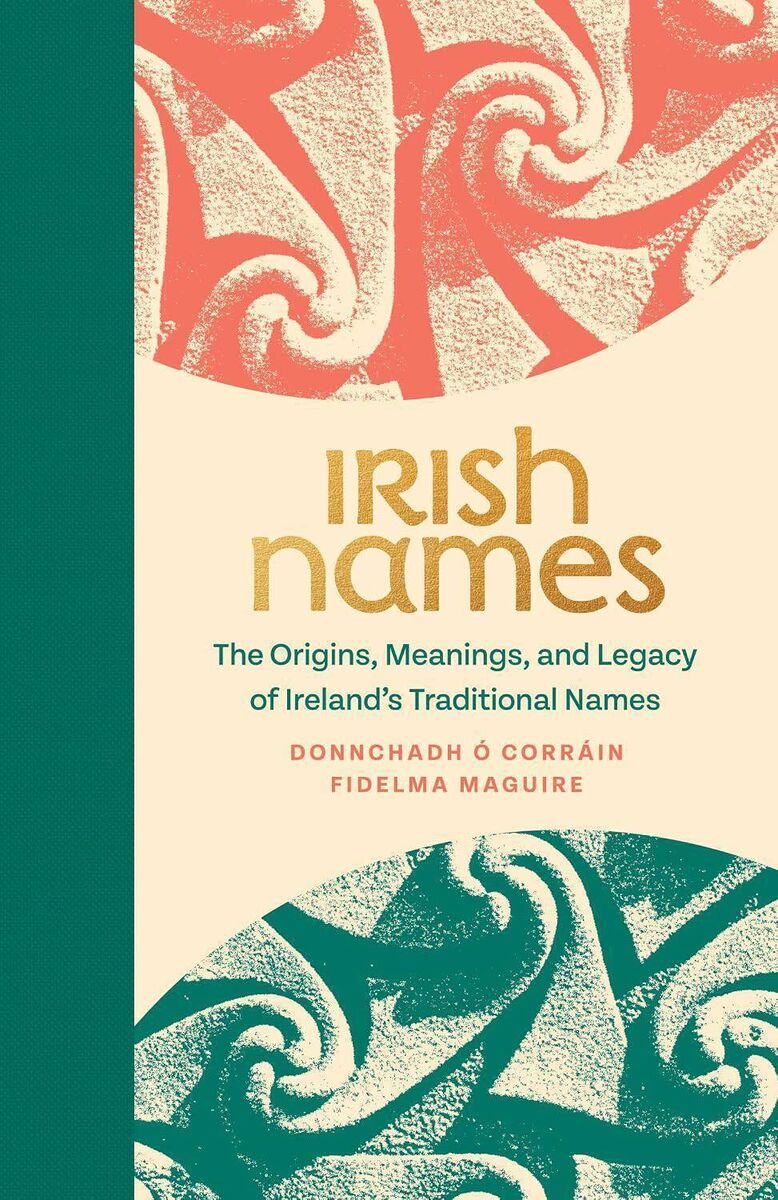
Irish Names: The Origins, Meanings, and Legacy of Ireland’s Traditional Names (Lilliput Press, €15.95), by Donnchadh Ó Corráin (1942-2017) and his wife and collaborator Fidelma Maguire, lists 1,000 names selected from a wealth of historical sources making up the literature of early medieval Ireland.

This scholarly and authoritative alphabetical guide states that of the 12,000 early Irish names recorded, only a handful are in current use.

The background and meaning of the names is explained, providing an insight into the society in which they had their origin. 

A guide to their pronunciation is given, generally referring to the modern Irish form. The names are derived from a wide variety of sources including colours, animals, or livings things, and even from nicknames describing more general personal characteristics.

 Examples include Báeth (vain, foolish), Cáem (beloved, beautiful), Dímmusach (proud), Fachtna (malicious), and Lonngargán (fierce and eager person).

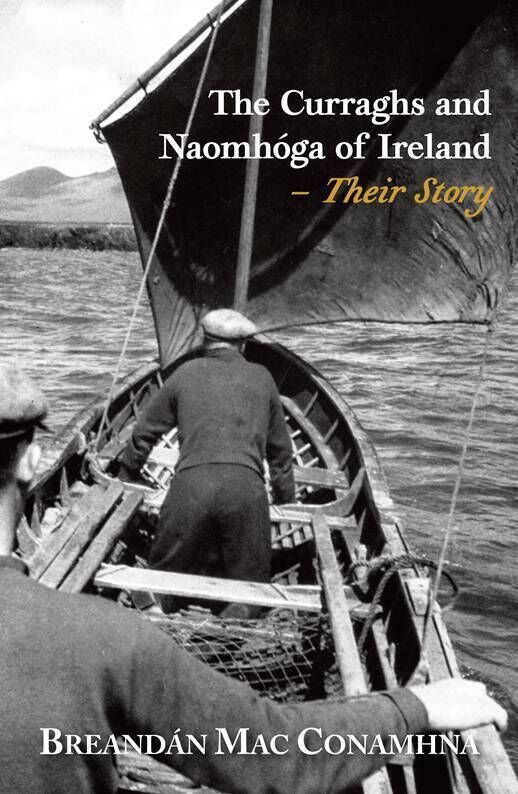
The Curraghs and Naomhóga of Ireland — Their Story (Mayo Books Press, €20) is by Breandán Mac Conamhna, who was born and raised in Belderrig in the Erris Gaeltacht. 

The curragh has been in use for more than 5,000 years as the maritime vessel of the west of Ireland. 

Its evolution from a framework of rods tied together and covered by animal hides to a fibreglass boat with an engine is a compelling story of social history. 

Their background and building, as well as their use by farmers and fishermen to help the local economy from Donegal to Kerry, and the author’s personal memories, form part of the tapestry of the history of these vessels, a unique part of Ireland’s maritime heritage.

Extreme poverty was widespread in many places but as the traditional curragh evolved, it enabled people to exploit fishing grounds, exporting their catch to England and earning money to improve their lives. 

Each chapter considers a particular type of curragh with a description, outlining its home range and the dimensions of its parts. 

One section deals with the curragh in placenames such as Port an Churaigh (the port of the curragh), Scoilt an Churaigh (the split of the curragh), or Leic an Churaigh (the flat rock of the curragh).

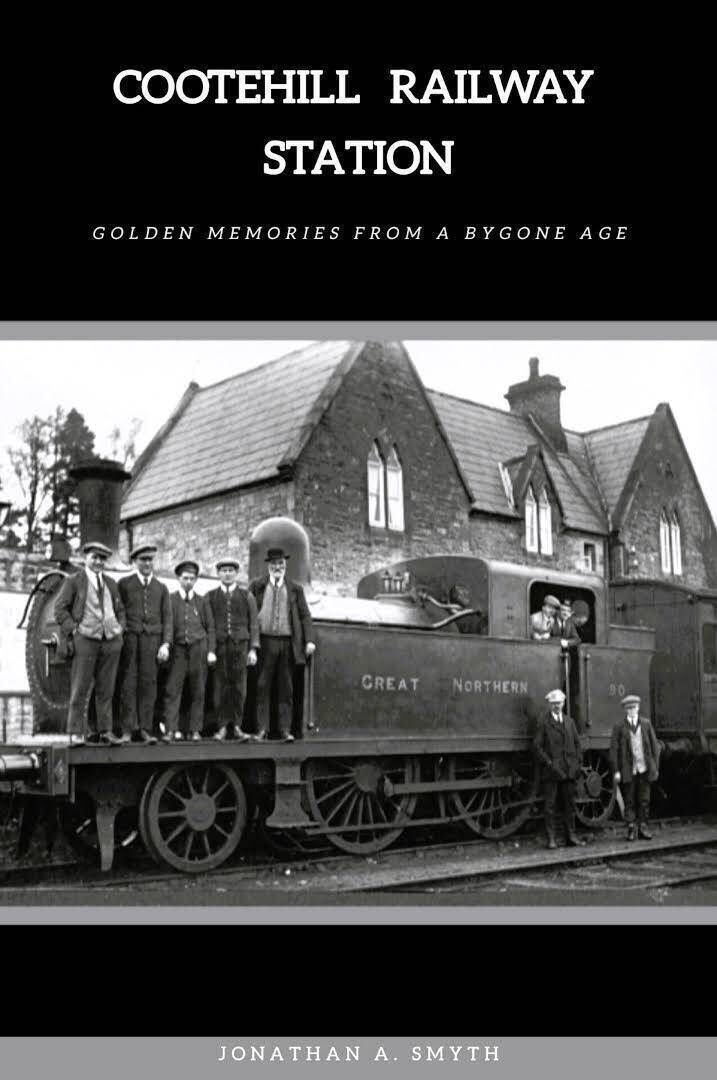
A look back at another form of transport from a bygone age in Co Cavan is rekindled in Cootehill Railway Station: Golden Memories from a Bygone Age (Cumann Seanchais Bhreifne, €15) by Jonathan Smyth.

The author’s grandfather, Hugh Smyth, was stationmaster at Cootehill from 1915 to 1931. 

At more than six feet tall, he was someone that few dared to argue with: “But in most cases,” the book states, “there wasn’t any need to as he remained agreeable when things were done properly.”

Smyth did not like to set himself above the staff so never wore the GNR uniform, and donned a bowler hat rather than the stationmaster’s cap. 

His life revolved around rail transport and when he retired from working on the railways in 1931, he started farming, breeding pedigree bulls that were successful at cattle shows.

The closure of the railways in the 1940s and ’50s was a huge blow to many people, including thousands of workers employed by various companies. 

But the challenges of competing against cars, coupled with the Second World War and unfavourable economic conditions such as the coal strike of 1947, hastened their passing.

BOOKS & MORE

Check out our Books Hub where you will find the latest news, reviews, features, opinions and analysis on all things books from the Irish Examiner's team of specialist writers, columnists and contributors.


More in this section

Scene & Heard

Newsletter

From music and film to books and visual art, explore the best of culture in Munster and beyond. Selected by our Arts Editor and delivered weekly.

Cookie Policy Privacy Policy Brand Safety FAQ Help Contact Us Terms and Conditions

© Examiner Echo Group Limited