Culture That Made Me: David McCullagh of RTÉ selects his touchstones
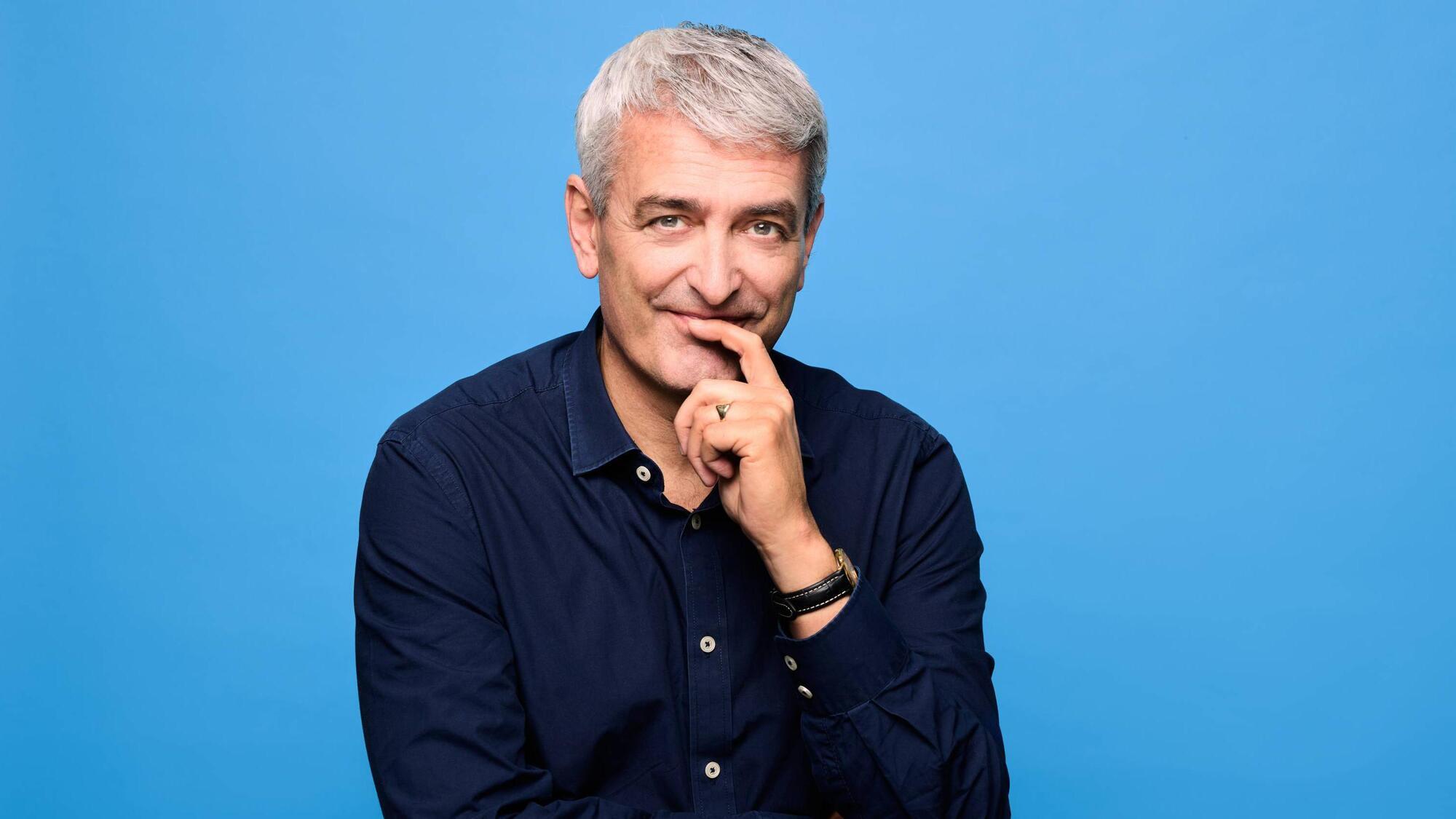
David McCullagh presents the Today programme on RTÉ Radio 1.
David McCullagh, 58, grew up in Blackrock, Dublin. He began in journalism with the in 1989. He joined RTÉ in 1993. Since then, he has anchored several programmes, including and won a National Media Award in 1999 for his television documentary He has written six books, including an acclaimed two-volume biography of Éamon de Valera. He presents RTÉ Radio 1’s flagship programme on weekdays at 9am.
Joseph Heller’s hooked me from its surreal opening line, with Yossarian falling in love with the chaplain. Its absurdity carries a powerful anti-war message: if you are sane, you must keep flying bombing missions over occupied Europe; if you are sane enough to realise no sane person would do that, you are still required to do it. I love that sense of the absurd.
by the American writer Michael Malone, follows a man on a quest through 1960s' America. His father has disappeared from hospital, leaving behind a trail of clues. It is very funny, but it is also illuminating about how, in middle age, we can get stuck in a rut. I return to it every now and again.
Donal O'Keeffe from the once gave me a copy of Cónal Creedon’s It's about a priest and a nun. They meet when they're young. There's a frisson between them, but they can't take it any further. He's in a monastery; she's in a convent. He firmly believes that each night she's sending him a message by flicking the light switch in her bedroom on and off. He sends messages back. This goes on for decades. Perhaps you’d characterise it as magic realism. It's a book that comes into your head at odd moments, years later. It's evocative of Cork. I’ve read more of his stuff subsequently, which is also evocative of a particular part of Cork city.
Miriam O'Callaghan is a great broadcaster. She's always polite. She asks the difficult questions, but in a nice way. You sometimes hear people giving out about broadcasters — myself included — being rude to people. Miriam would never be impolite, but she'd still get the answer. People who listen to her or watch her really engage with her. She’s brilliant to work with as well. The presidential debate with Martin McGuinness in 2011 was great broadcasting. She asked him how he reconciled his religious views with his support for the use of violence. He wasn't very happy about it. Given where we were at the time, it was a question that was worth asking.

When I used to be thinking who do I want to be when I grow up? it was Olivia O'Leary. She was fabulous. Sharp as a tack, unfailingly polite but persistent. So smart. A brilliant writer as well. The Dáil sketches she used to do for RTÉ at the time were really good. I was sitting in the gallery beside her a lot of the time. I'd listen to it later and think, that was a smart way of describing that! She always gets to the kernel of the matter.
I saw Bruce Springsteen at Slane in 1985. I was 17, just finished fifth year. A beautiful sunny day. He was one of the biggest stars on the planet at the time. I knew his stuff, that he was good, but I was blown away by the performance and his energy, and the skill of the band. From that day on, I've been hooked. With his lyrics, he can sum up so much in an economical way.
Musically, he's interesting. One of the last things he did was release seven complete albums, left on the shelf. Some of them were brilliant. He has an ability to reinvent himself, and to keep playing great live shows. I interviewed him twice. They say never meet your heroes, but that doesn't apply in this place. He was lovely.
I like with “The Mooch” Anthony Scaramucci and “Captain K” Katty Kay. It's very entertaining. The Mooch was Donald Trump's communications director for 11 days and it all went horribly wrong. He could have decided this whole public life isn't for me; I'm gonna retreat behind the scenes, but he's made a second career out of it. He's turned it into a whole schtick, which is entertaining, saying things like, “Liz Truss only lasted three Scaramuccis”, ie breaking everything down into 11-day chunks. Katty Kay is very good as well. They have good contacts, so it’s a well-informed chat.
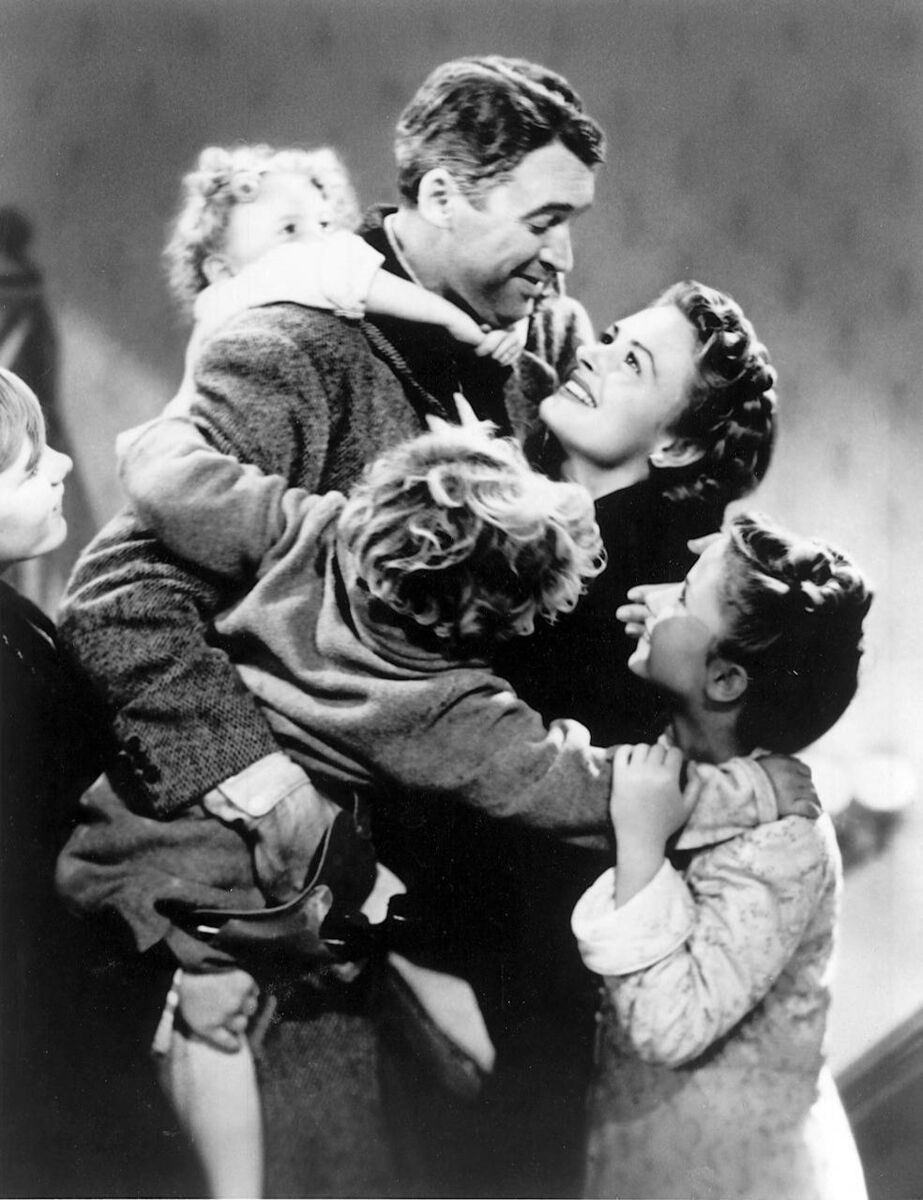
Frank Capra was a genius. Everybody thinks It's a Wonderful Life is a wholesome movie; it kind of isn’t. The themes of it are despair, suicidal ideation, corruption of power. It obviously has an uplifting ending, but it goes to dark places before it gets there; without that, the ending might have been shmaltzy. I love the idea that one life touches so many different people, making such a difference to so many different people without realising it. I’m a shameless old sentimentalist.
is very evocative for me. I was in London working for a summer in college, staying in a hostel. Richard Ellman’s biography of James Joyce was there. I started reading it and enjoyed it. I thought I should read some Joyce. I started off with , moved up to and then bought I read it every three or four years. It's one of the most wonderful novels because you get something different out of it every time. If you dive in and read it, there's bits that possibly you won't get, but you still get enough from it. It's a great journey. It's very funny in places.
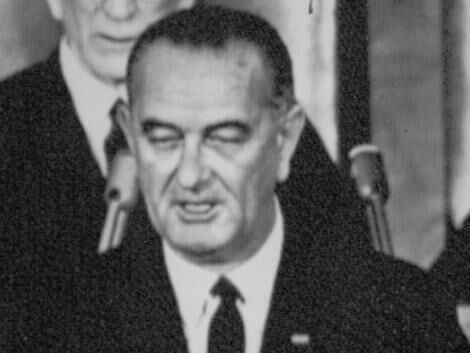
A great biography is Robert Caro’s series on Lyndon B Johnson. He's been writing them for decades now [volume one was published in 1982]. I'm anxiously awaiting number five. Normally I don't like biographies written by people who have no sympathy with their subject, but here I make an exemption — because he detests Johnson with a passion. He's alive to his faults, but he still gives him credit for the incredible things he achieved, like getting civil rights through the Senate. He knew the only way he could become president was if he escaped from the image of being a redneck southerner, getting civil rights improvement through the Senate was the way he did it. The books are fantastic.
I love Ken Burns and his documentary series on Vietnam. It was fabulous — the attention to detail and the storytelling. I loved his series on the American Civil War, which came out in 1990. It’s beautiful storytelling. I watched it recently. It seemed so slow moving and meandering — suddenly, everything has speeded up in the last 20 years — but it's beautiful filmmaking and beautifully put together. It's worth watching.
is a documentary about Bill Clinton's presidential campaign in ’92. It focuses a lot on James Carville, the Ragin’ Cajun, his campaign manager. Clinton is not central to it. It's about Carville and George Stephanopoulos and how they construct the campaign, how they deal with the various scandals that Clinton lands himself in over the course of the campaign. It's good about how politics works.

BLACK FRIDAY
Already a subscriber? Sign in