Vets can treat wild birds despite bird flu restrictions, department confirms
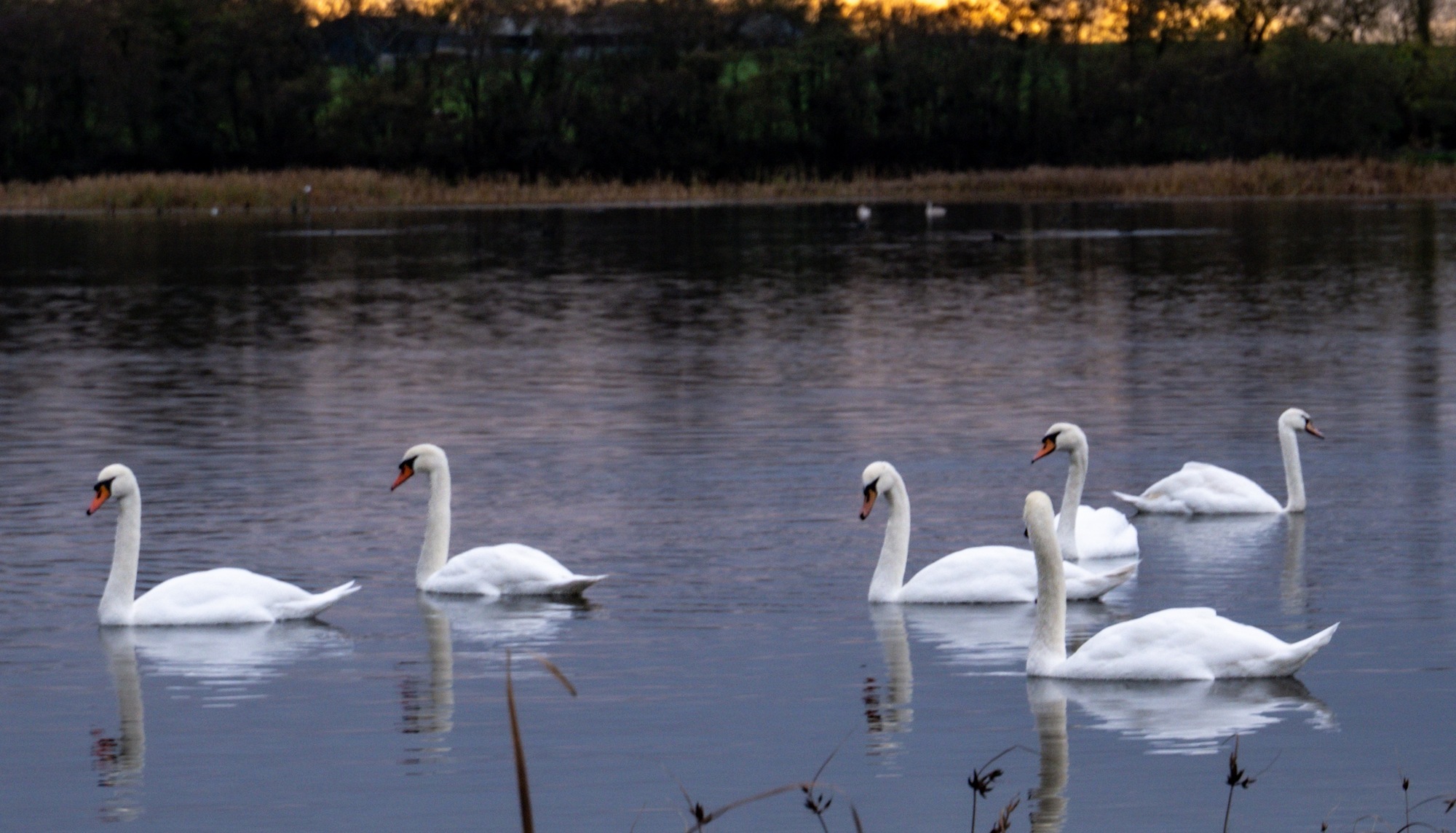
The clarification comes after two dead swans in Offaly tested positive for H5N1 avian influenza, prompting renewed warnings about the spread of the virus and the introduction of compulsory housing measures for poultry and captive birds. File picture: Chani Anderson
Confusion is emerging over whether veterinary practices can treat sick and injured wild birds during the current avian influenza restrictions, with some members of the public reportedly being turned away by vets who say new advice from the State prevents them from accepting the animals.
However, the Department of Agriculture has confirmed it "does not place restrictions on veterinary practices treating wild birds, even during periods when mandatory biosecurity and housing measures are in place".
The clarification comes after two dead swans in Offaly tested positive for H5N1 avian influenza, prompting renewed warnings about the spread of the virus and the introduction of compulsory housing measures for poultry and captive birds.
The department has advised members of the public not to touch or pick up sick or dead wild birds. However, it has stressed that there is no departmental prohibition or blanket ban on veterinary practices treating them.
In a response to queries, the department said "it is a matter for each veterinary practice to assess and consider individually" the circumstances themselves, taking account of biosecurity, the potential risk of disease transmission, staff health and safety, and their responsibilities around public health.
Read More
The clarification raises questions about why some veterinary practices are telling members of the public that they cannot accept wild birds because of advice from the department when it comes to the recent case of avian flu.
The Veterinary Council of Ireland (VCI), the statutory body responsible for regulating the veterinary professions, has also pointed to the professional responsibilities of veterinary practitioners when dealing with wildlife.
The VCI said its code of professional conduct includes specific guidance on the treatment of wildlife and that practitioners are expected to exercise appropriate professional judgement, having regard to animal welfare, public health, and relevant biosecurity considerations.
In a statement the body said "it sets out the professional responsibilities of veterinary practitioners and includes specific guidance on treatment of wildlife".
It continued: "Veterinary practitioners are expect to exercise appropriate professional judgement, having regard to animal welfare, public health and relevant biosecurity considerations including those relating to avian influenza."
The VCI said that where concerns arise about a potential breach of the code, a complaint can be submitted to the council for consideration under its statutory complaints procedures.
The department’s confirmation is particularly relevant for wildlife rescuers and members of the public who encounter injured or sick birds and may struggle to find veterinary assistance.

BLACK FRIDAY
Already a subscriber? Sign in

CONNECT WITH US TODAY



Be the first to know the latest news and updates