5 reasons why you should take up Pilates

WHEN it comes to moving our bodies, it’s different strokes for different folks. But Pilates ticks so many boxes and offers so many benefits that whatever else you enjoy, you’d do well to consider giving it a go.
It encourages us to think of our body and mind as one.
“Pilates in its gentlest form is very much a mind/body discipline. It calms you both inside and out, connecting you to your deeper core muscles,” notes personal trainer and Pilates instructor, Mary Huckle.

We only have to look at ourselves and our own experiences to be reminded just how true it is that physical and emotional health are closely intertwined: how you get more colds when you’re stressed; why that headache intensifies when you’re under pressure; how positive distractions can take the edge off that sore knee...
“Holistic exercise is the ‘buzz’ in the industry right now, and Pilates is hugely popular. It’s a challenging deep-core workout, but is much kinder to body and mind.
"It allows you to be mindful and focus on the inside, and encourages slower-paced movement based around great technique. The perfect way to take time out, while still getting and amazing feel-good workout,” says Elaine Denton, personal trainer.
A good core isn’t just about blitzing those abs crunches; there’s far more to it — and investing a little time in it through Pilates could pay dividends in terms of boosting your overall performance in whatever exercise you enjoy and preventing injury.
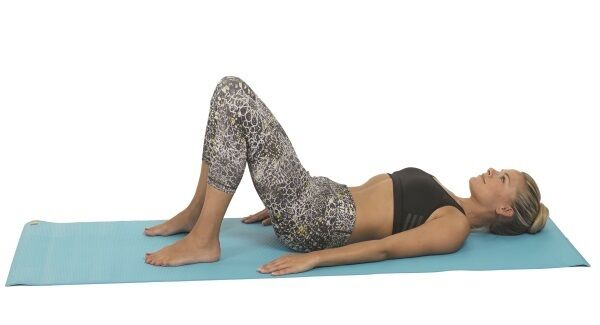
“In terms of runners, sometimes a slight imbalance in the body will go on to create problems because it’s such a repetitive movement you’re doing. Even a small adjustment in your posture or in your core stability can make a huge impact,” says Lynne Robinson, founder of Body Control Pilates.
It can help with chronic pain management.
Pilates could become a central part of how you manage your condition in the long-term, both physically and psychologically.
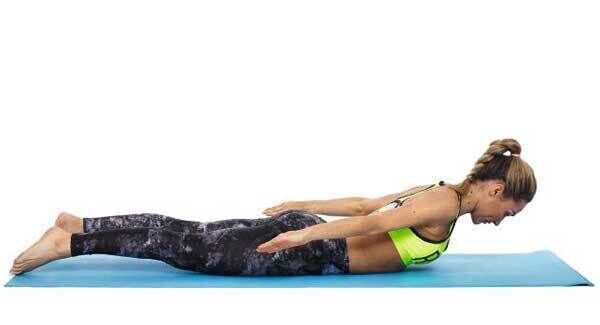
“Exercise is being described as the new drug, and in particular Pilates is being prescribed by more and more GPs as either an alternative to drugs or as a complementary therapy.
"It also has proven benefits for sufferers of neurological conditions, as well as the more common postural alignment benefits, for example, improving lower back pain and in certain cases, even avoiding surgery,” says Huckle.
Fans of Pilates are well aware that it works wonders for the mind as well as the body, and a recent study found Pilates really does help us deal with mental and emotional stress.

“The scientists at the University of Pittsburgh have identified a circuit, which directly links part of the brain to the adrenal medulla (this is the inner part of the adrenal gland, which triggers an adrenal surge when we feel stressed).
"The very same network is also associated with the part of our brain which controls movements,” explains Robinson.
When you have a history of injuries or musculoskeletal problems, perhaps associated with back pain, it’s easy to think you need to avoid physical activity as much as possible.
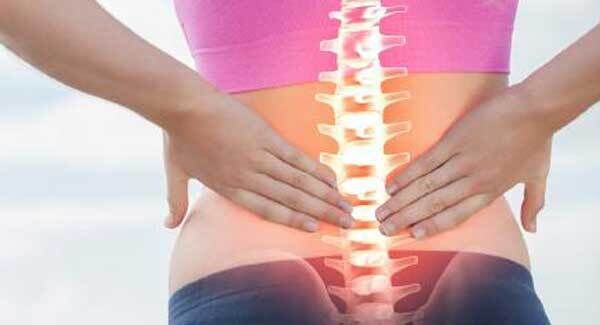
"In fact, the opposite is true, and staying as regularly active as possible is actually vital in managing such problems.
"Of course, some people may need rest periods and you’ll still need to be sensible, but there’s good reason a lot of physiotherapists encourage patients to take up gentle Pilates.
“Pilates sessions can really help manage back pain... It is is ideal for women recovering from back injuries or spine problems and regular Pilates sessions are fantastic for recovery, long term pain management and prevention,” says physiotherapist Laura Herman.
CONNECT WITH US TODAY



Be the first to know the latest news and updates

















