I can't afford to go to a wedding — how can I decline an invitation without causing drama?
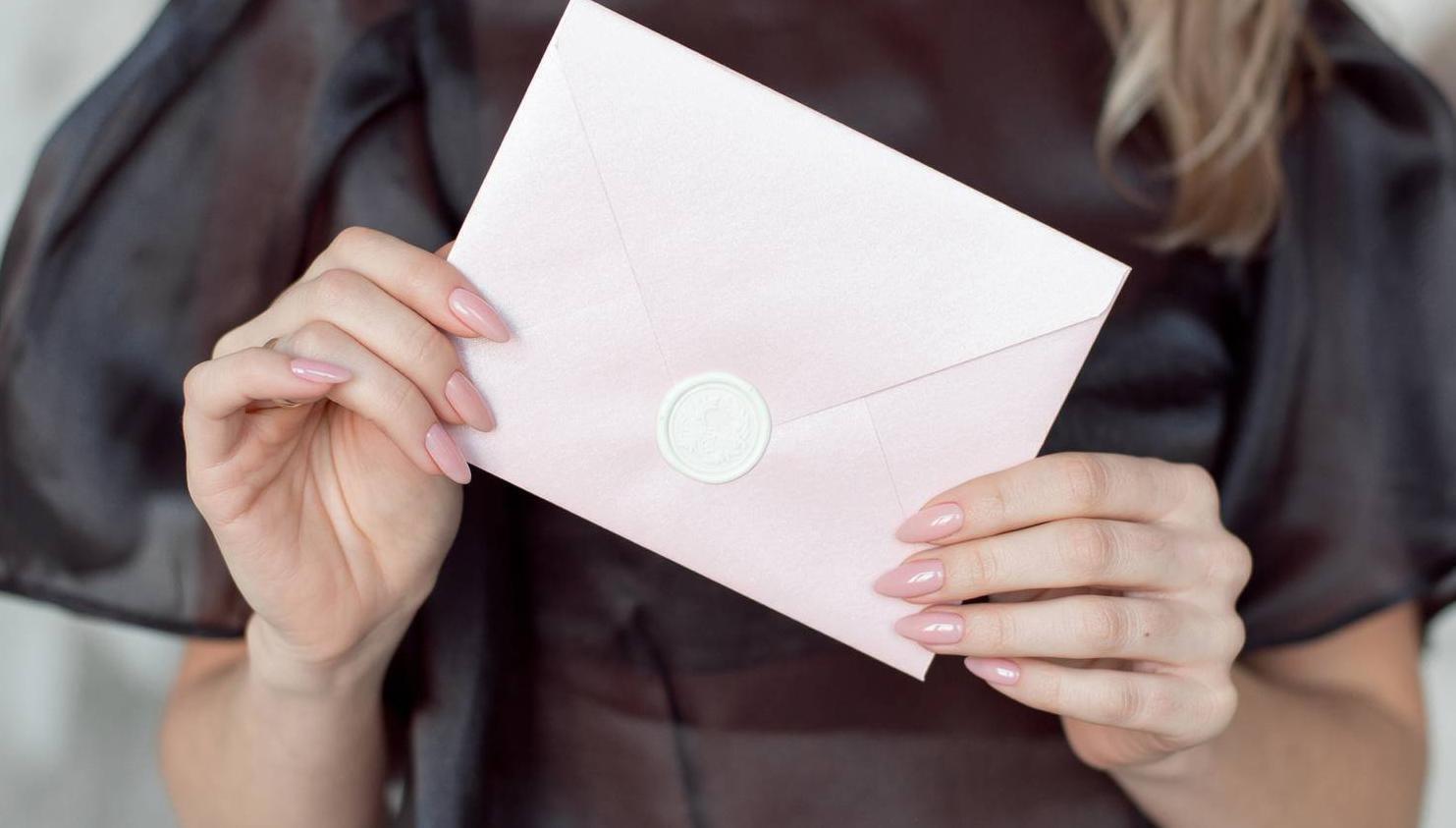
The accommodation, the gift, the time off work, childcare, travel... a wedding day can be expensive for guests. Isn't it time we allowed people to gracefully decline them
I can't afford to go to a wedding — how can I decline an invitation without causing drama?

An elderly neighbour of mine used to say: 'I’d rather a summons than an invite to a wedding.' At the time, I was horrified, thinking, God, he’s boring. Little did I know.

Wedding season is looming. For many of those invited as guests, that straightforward ‘yes’ comes with mounting pressure: Financial, social and, at times, emotional.

It is not just the day itself. Long before the wedding happens, the bank balance can take a significant hit. Hen and stag parties often involve flights, multiple nights away, and a carefully planned itinerary.

Then comes the wedding preparation, laborious for women especially. There is the outfit, the trip to the hairdresser, the lift or petrol, the hotel room, the babysitter. What begins as a joyful invitation can, for guests, start to feel like a financial endurance test with a drinks reception.

An elderly neighbour of mine used to say: “I’d rather a summons than an invite to a wedding.” At the time, I was horrified, thinking, God, he’s boring. Little did I know.

Comedian Ricky Gervais once joked that wedding invitations arrive so far in advance because “they know you don’t have an excuse for next year”. It lands because it is true.

The save-the-date arrives when you are full of good intentions and disposable income you have not yet spent. By the time the wedding comes around, life and your bank balance may look quite different.

Attending a wedding in Ireland can involve a spend running into hundreds, and in some cases more than €1,000 once travel, accommodation, and other expenses are factored in.

The gift is one element that has certainly grown into a much larger affair. It has shifted in both scale and expectation. Traditionally, guests might have given a toaster, something practical for the couple’s new life together, or placed somewhere between €50 and €200 in an envelope. Now, expectations are often higher, with amounts of around €200 to €250 per couple commonly cited.

The rule, rarely spoken aloud, is that you should at least ‘cover your plate’, as though you are settling a bill rather than giving a gift.

And yet, for all the quiet calculation, there is one sentence that rarely makes it onto an RSVP card: I can’t afford it.

Clinical psychologists note that there can be a tendency in Ireland to prioritise people-pleasing over personal limits, with people often saying yes even when it creates stress for themselves. 

There will be an array of excuses: ‘unfortunately, I’m away that weekend,’ sudden family commitments, the vague work obligation that cannot be moved. The real reason is left unsaid, hovering somewhere between the group chat and your Revolut balance.

For single guests, the calculation can feel even sharper. A single person pays a similar hotel rate, contributes from one income, and then, frequently, fields the familiar question over dinner: Are you still single? The financial burden can sit alongside a more subtle emotional pressure.

Parents face a separate set of considerations. A child-free wedding may sound appealing in theory, but the planning for it is far from easy. Who will mind the children, can they stay overnight, and what does that cost? With babysitting rates in Ireland often falling between €11 and €18 an hour, childcare can quietly double the price of attending, running in the background before the first drink is even ordered.

Then there is the destination element. Weddings abroad are now a regular feature of the calendar. While many welcome the excuse for a trip, it also introduces flights, extra nights, and time off work into the equation. 

A ‘small wedding in Spain’ can quickly become a multi-day commitment with a four-figure price tag.

None of this is to diminish the significance of the occasion. Weddings matter. They are life-changing events. But the gap between that meaning and what is being asked of guests is becoming harder to ignore.

Ahead of her own wedding, influencer Roz Purcell spoke about the expectations placed on guests, suggesting that attendance itself is already a significant gesture. It is a sentiment that reflects a broader awareness that costs have crept up on all sides.

There is a particular awkwardness attached to declining a wedding invitation. Unlike a birthday or a casual gathering, a wedding carries emotional weight. Saying no can feel like making a statement about the relationship, rather than a practical decision based on finances or time. That discomfort is often enough to tip people into saying yes when they would rather not, and to hope their bank account will sort itself out at some point between the starter and the band.

There are signs, however, that attitudes are beginning to shift. Some guests are setting clearer boundaries, opting out of hens or stags, or attending part of the celebration rather than all of it. What is emerging is a more honest conversation about the realities of modern weddings, one that acknowledges both their importance and their cost.

Is this the beginning of a new etiquette? Invite people warmly and let them decline gracefully?

Because sometimes, the most genuine response is not a reluctant yes, but an honest no, one that reflects not a lack of care, but the reality that, these days, even a good wedding can come with a hangover before you have found out who you are seated beside.

More in this section

Cookie Policy Privacy Policy Brand Safety FAQ Help Contact Us Terms and Conditions

© Examiner Echo Group Limited