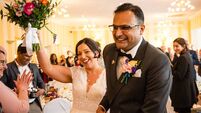
The changing face of Irish weddings: What are spiritual and humanist weddings?
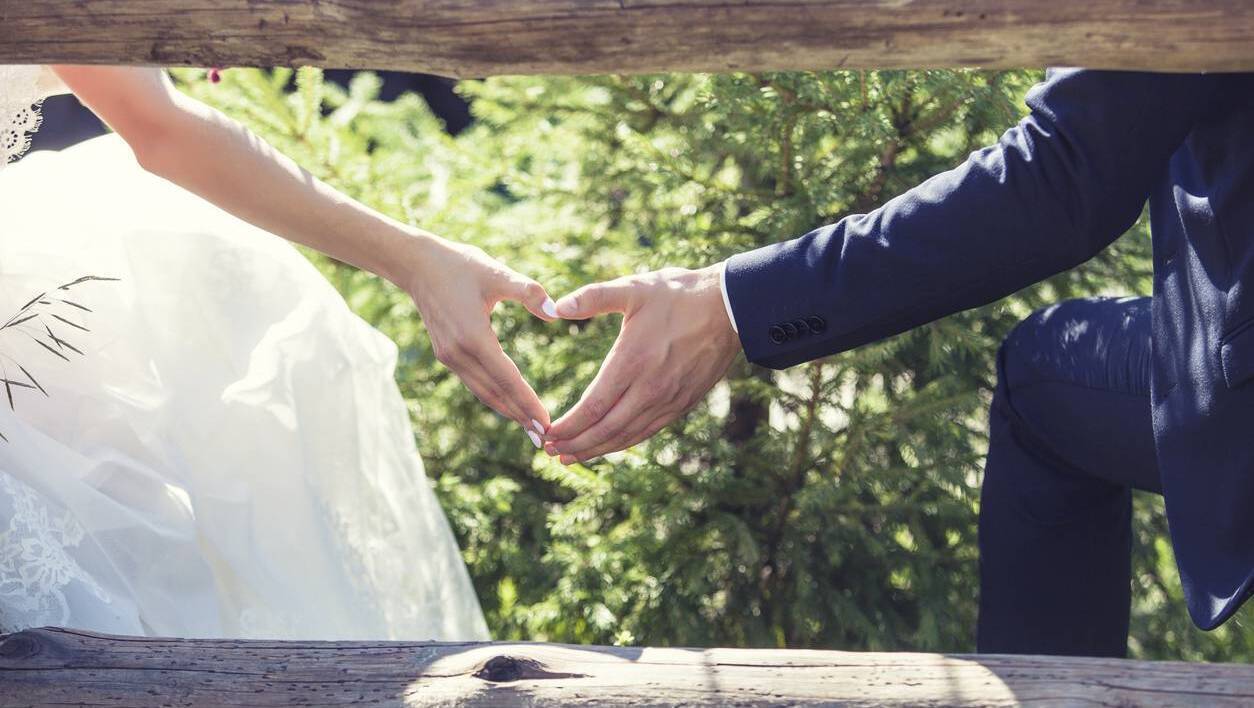
Couples, both opposite sex and same-sex, have real choice now, and can personalise their wedding day to better reflect themselves and their relationship.
Twenty years ago, weddings in Ireland were typically a traditional church affair. And if you weren’t religious, you got married in a civil registry office. But things have changed in the past two decades.
Today, Irish people can be as creative as they want with their wedding venue and type of ceremony, with only a few minor restrictions.
You can have a traditional religious ceremony in a church or other place of worship, a civil ceremony in a registry office or an approved location, and a spiritual ceremony or a humanist ceremony in a large variety of places.
The increased flexibility of weddings in Ireland is transforming the sector. Recent figures from the Central Statistics Office (CSO) may surprise some: civil ceremonies were the most popular types of weddings in the 10 years between 2014 and 2024. They accounted for 6,743, ahead of Roman Catholic ceremonies at 6,425. During that time, there was a 68% jump in the number of humanist ceremonies.
To cater for the demand, there are three weddings each day, and you can have your wedding there every day except Sunday.
Couples, both opposite sex and same-sex, have real choice now, and can personalise their big day to better reflect themselves and their relationship.
Humanist and spiritualist wedding ceremonies are becoming more popular every year — from 2014 to 2024, they made up 7.4% and 7.1%, respectively, of the 20,348 weddings.
But what are spiritual and humanist weddings? And how do they differ?
Thomas Harty is a One Spirit interfaith minister based in West Cork. He says he “represents all saints and none”, meaning he can conduct ceremonies that are inclusive of different faith traditions.
In his training in Bristol, England, he studied all the various religions around the world. His ceremonies typically look like “ceremonies in a church, but without the Mass”.
He finds when couples marry, they want to tell their love story, how they met, adventures they’ve had, and things they’ve achieved.
“When I first meet a couple, I listen to their story. I ask them questions about their life together to find out more and to help them choose any traditions they would like to incorporate, like handfasting, a sand ceremony, or any religious tradition they might have.
Harty recently performed a wedding ceremony for a couple — the bride was Hindu and the groom was Roman Catholic.
“We had Kadesh and we had Jesus on the altar, and we just embraced the two faiths together. The bride wore a beautiful traditional Hindu gown, and we incorporated holy water from Rome that the groom’s brother had used at his wedding. It was a lovely representation of them both.”
Clara Malone is an independent celebrant based in Clare. She runs Coastal Ceremonies with two other celebrants. “What faith you are, or if you have no faith, has nothing to do with me, because we’re inclusive,” she says. “We officiate ceremonies for couples of all different faiths and none. It doesn’t matter.
“I have couples coming to me who might say: ‘We were raised as Catholic, but we don’t practise now and we don’t attend church, but our parents would like to introduce some element into the ceremony’. And that’s no problem; we can do that.
Malone officiates ceremonies around the Co Clare area, including on the Cliffs of Moher. This is one of the perks of a spiritual or humanist wedding, in that couples can choose locations that are spectacularly scenic or may have specific meaning for them.
Like Harty, Malone focuses on the couple’s story and works with them to create a script for the ceremony.
“We help couples to customise their vows, make music choices, choose rituals they would like to include, like unity candles or handfasting, for example.”
There are legal restrictions on ceremony locations, explains Malone.
“You can’t have a legally binding ceremony just anywhere — it must be in a building open to the public or a venue that meets certain requirements.
For civil ceremonies, which are performed by a registrar, who works for the HSE, the Civil Registration Act 2004 opened up the market by allowing couples to have their ceremony in a location other than a registry office — however, the registrar must approve the location. The increased flexibility, which came into law in 2007, coincided with a huge jump in civil ceremonies, to the point where this type of wedding is now the most popular in Ireland.
Although there is far more flexibility with weddings today, each legally binding ceremony will need to include certain steps. This starts with couples providing their local civil registration service with at least three months’ notice of their intent to get married. They then receive a marriage registration form or marriage licence, which is signed and witnessed on the day of the ceremony. This legal requirement forms part of every wedding ceremony, and is typically done at the end.
Couples have so much choice now when it comes to their wedding, says humanist celebrant Mary O’Shea, that it’s important to find a celebrant that they connect with.
“Find the person that you like. I know we only do a tiny part of the day, but equally, you want somebody you have a bit of a rapport with.
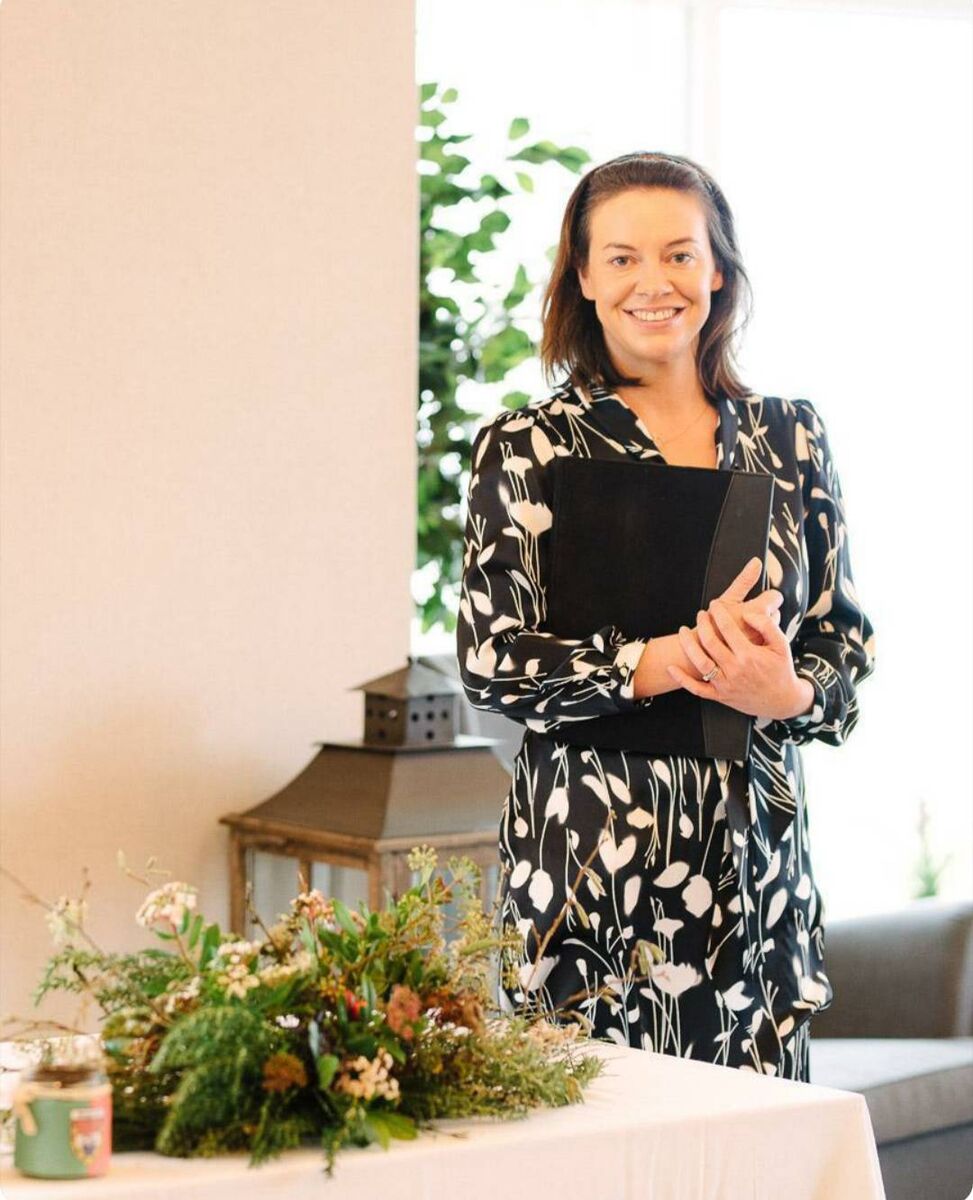
“For some people, religion is a deal-breaker, because I don’t include religion in any way, shape, or form within the ceremony. And for some people, it’s just that step too far.”
A humanist wedding is a completely secular ceremony with no religious element. Like the spiritual weddings, the focus is very much on the couple and their relationship.
“The big thing for me is including their love story,” says O’Shea. “So they tell me the highlights: where they met, how they met, how long they’re together, maybe if they’ve travelled or are moving in together, any funny stories they might want to share.
This changing wedding landscape reflects Ireland’s changing society, where choice and inclusivity are priorities. From churches and temples to hotels and cliff-sides. From religious and civil to secular and spiritual, couples can make what they want of their wedding day.
CONNECT WITH US TODAY



Be the first to know the latest news and updates