Sex File: Work stress means my partner is never in the mood
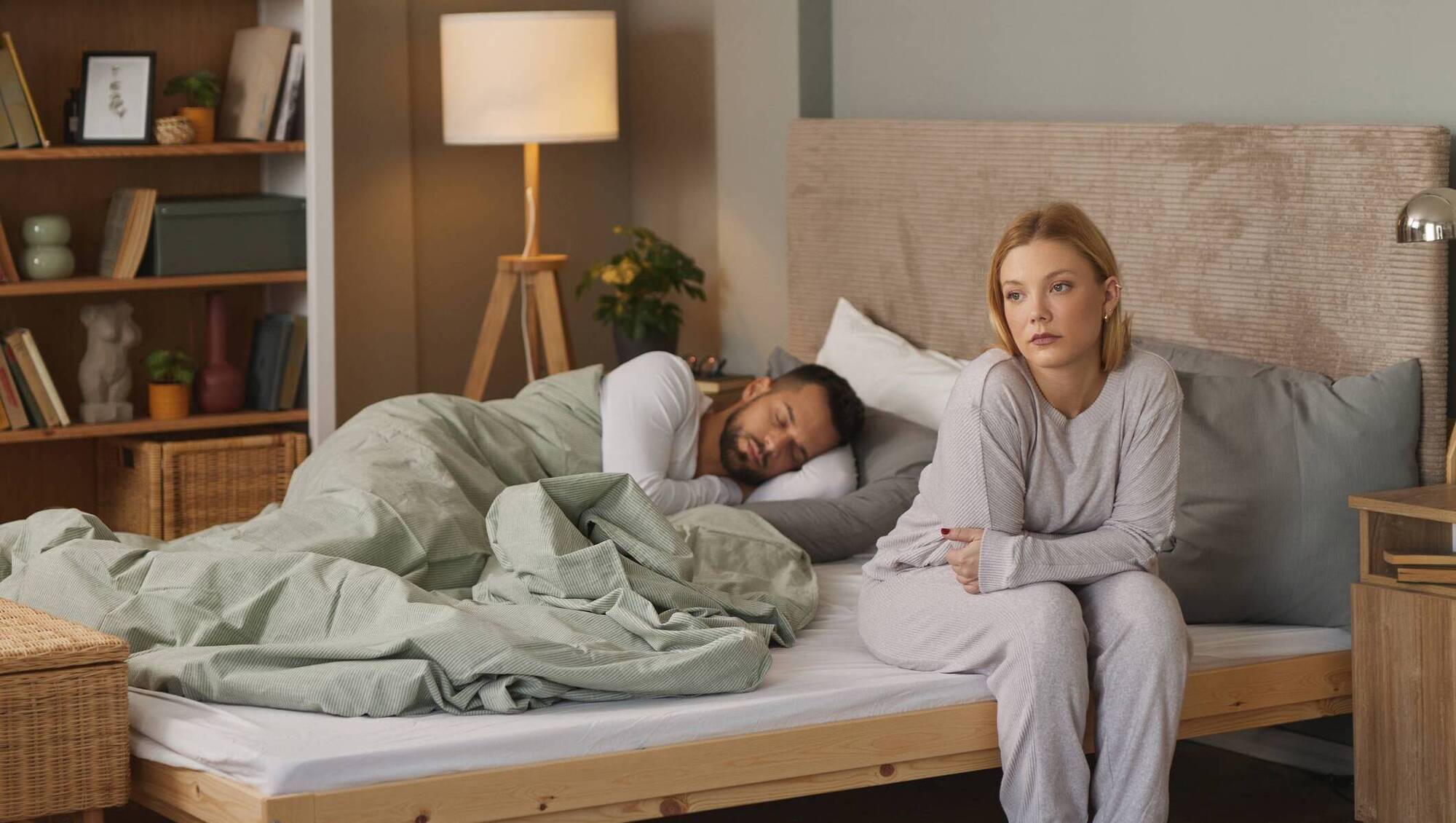
Once the thought of performing sexually or having to meet someone else's needs becomes overwhelming, withdrawal is a form of self-preservation. Your issue is the fact you interpret his reluctance as rejection. Picture: iStock
When someone has made it clear they don't want to do something, repeatedly asking them to do it is counterproductive. It is incredibly difficult for someone who is very stressed to switch gears and relax enough to engage in intimacy.
Once the thought of performing sexually or having to meet someone else's needs becomes overwhelming, withdrawal is a form of self-preservation. Your issue is the fact you interpret his reluctance as rejection.
Rather than taking it personally, you need to acknowledge your partner's stress. Think about it as a temporary unwelcome house guest and shift your focus from your individual lack of confidence to your combined need for respite from stress.
Sex is important but, as I am sure you know, intimacy is not about intercourse, it is about emotional closeness. Couples who are unable to have sex compensate for the loss of physical connection by strengthening their emotional bond.
I would advise you to have a frank conversation with your partner. Explain that what you need is reassurance and tell him you are happy to take sex off the table on condition you spend more quality time together.
The aim is to make life simpler and less stressful so you have time to prioritise your relationship and your closeness. Talking will improve everything, as will taking every possible opportunity to touch affectionately. Hold hands when you go for a walk. Cuddle on the sofa. Slow dance in the kitchen while you cook dinner.
Non-sexual touch keeps you connected and dramatically reduces cortisol levels. Low-intensity exercise would also be a good idea — 30 minutes of exercise such as yoga, Pilates, tai chi, walking or gentle cycling reduces in-the-moment stress, and when it is done consistently, it also lowers baseline cortisol levels.
When he feels a bit better, you can reintroduce sex. It is in itself a form of low-intensity exercise and it creates the same reduction in cortisol levels. In 2025, a study at the University of Vienna confirmed having sex lowered cortisol levels, whereas feeling stressed reduced sexual desire. It also revealed cortisol levels peaked half an hour after waking up and then decreased slowly towards evening.
Work tends to be the thing that causes most stress, so people start worrying about it as soon as they wake up. In contrast, there was a clear increase in the participants' sexual activity on a Sunday, when people are more likely to have a lie-in. A number of other studies have also shown having a lie-in reduces the risk of heart attack, stroke and depression.
This is a temporary problem but if you can address it by improving communication, implementing stress reduction strategies and strengthening your emotional bond, the benefits for both of you could last a lifetime.
Send your questions to suzigodson@mac.com
CONNECT WITH US TODAY



Be the first to know the latest news and updates