Back to school: How do children - and parents - cope with separation after months together?
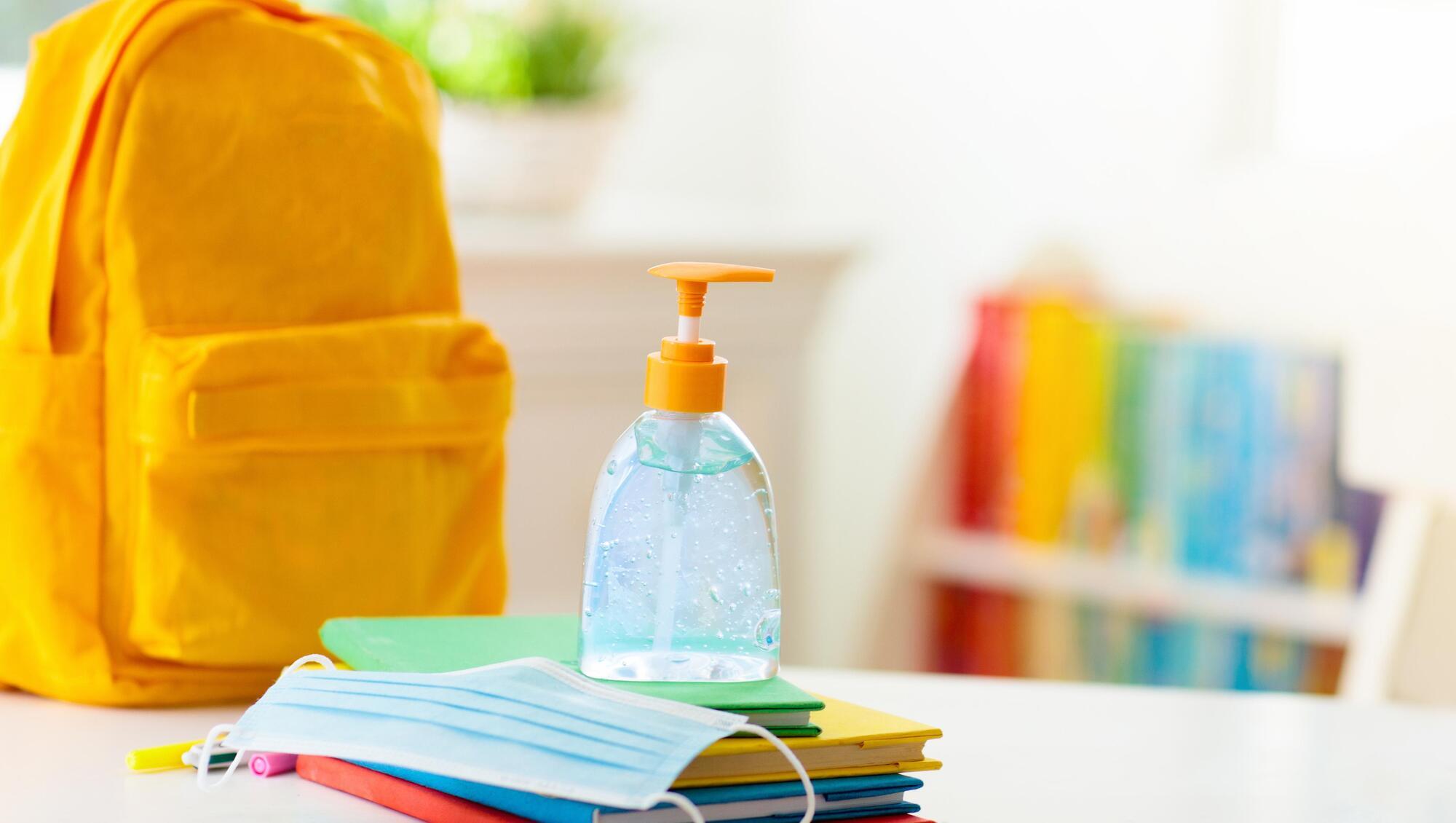
Even post-lockdown, Sarah Kelly’s 8-year-old son worries about his parents when they leave their Co Meath home to run errands.
And though he has been busy with GAA Cúl camp and playdates, he still wakes with nightmares about sea creatures swallowing him whole.
“The night-time anxiety coincided with the beginning of lockdown,” his mother explains. “Now he won’t sleep alone.”
The virus has robbed us all of so much. But the longer-term impact on a generation growing up surrounded by black and yellow warning signs and masked people behind glass walls, remains to be seen.
The focus has now switched from surviving lockdown to getting children back to education, and to their peers. But with no clear picture about what that might look like, such a readjustment is unlikely to be as simple as sharpening the pencils.
“We were so proactive when the initial crisis hit, but everyone is jaded,” another parent tells me. “We just about got them through lockdown. Now I can see their anxiety starting to emerge about returning to school.”
Separation anxiety, regressions and avoidance behaviour are just some of the signs that children might be struggling with the magnitude of change going on in their world. And it isn’t just the little ones.
Aggressive mustard-coloured lines were painted in slashes across the entrance pavement and a thermometer aimed between his startled eyes.
“How’d it go?” I asked casually afterwards via the car rear view mirror. “If you cough on someone on purpose you get a two week ban,” my son announced, clearly as overwhelmed as I was. “Do we have to go back?”
That hygiene theatre is, of course, part of what it now takes to combat the sticky coronavirus tentacles that have infiltrated every part of our lives. But perhaps now is also the time to re- examine how this safety message is being delivered —especially if we are to co-exist alongside such a germy adversary.
“None of us do well living in sustained fear,” explains clinical psychotherapist and author of 15 Minute Parenting, Joanna Fortune. “It saturates the brain with chemicals that cause anxiety. I think we need to reframe all of this in a more positive way for children. Yes, it is new and strange, but the intent is about safety and doing good. If we flip it the other way and tell children that we stay distant so we can stay well, we redirect their focus onto the positive.”
Fortune also has faith that the teachers will play their part in the emotional side of easing children back into school life. “Teachers are highly-skilled communicators. They play a big role in guiding children through the key messages when they do get back to school. We need to explain to the children what we want them to do, rather than what we don’t want them to do.”
Fortune also points out that although children are pretty resilient, lately we are asking a lot of them.
“They left their social sphere very abruptly, with no notice. They experienced a premature loss of teacher, had to adapt to all the phased rules, toe the line, not see friends, learn online… And now we are asking them to re-adapt all over again, when we are still grappling with it as adults. That is a massive ask.
We have to anticipate that they may have a wobble. These wobbles can emerge as behavioural issues or emotional regressions. And if that happens, give them that extra support, parent them as you would a younger child because what they are saying to you with their behaviour is that this doesn’t feel safe to me.”
Dr Colman Noctor, a child and adolescent psychotherapist with St Patrick's Mental Health Service, also has concerns that not enough has been done to tease out the psychological impact of the physical measures.
“I understand that we need to hammer home cough etiquette and hand-washing. Fear is a great motivator and it ensures we will do it, but it doesn’t influence how we understand it.
But perhaps we underestimate children’s bouncebackability? Or can we expect a lasting mark on those raised under the long shadow of the pandemic?
“It all depends on how long COVID is around for,” explains Noctor. “What we do know is that when this abrupt curtain came down on all of us in March, children were actually quite quick to adapt to the new abnormal. However, if it continues longer term, then the transition becomes more difficult. I think we have to really prioritise mental health communication because the safest physical route through all of this isn’t the same as the safest emotional route.”
Interestingly, according to Noctor, the ‘in this together’ narrative has been very helpful. “What we do know from research is that children who have had social depravation can show development delay, avoidance behaviour and social phobias,” explains Noctor. “But in this case, because it is a collective experience, it makes it much less personal. Feeling like you can relate to your peers about this huge thing that’s happening to all of us at the same time makes it less isolating and therefore usually easier to manage.”
His advice for parents over the coming weeks is to nurture their children’s self-esteem. “Work on their self-value, highlight their abilities,” Noctor says. “Tell your child, ‘you’ve got this, you are able for it, we believe in you’. The calmer we are, the calmer they will be.”
And what to say when they inevitably ask that dreaded question, ‘Is Cononavirus over?’ “Children live in black and white. They like a beginning, a middle and an end. Unfortunately, parents don’t have that to offer them at this moment. I explain it to them that it’s like you cut your leg and the pain goes away but you still have to be careful,” says Noctor. “It takes a while to improve, but each day you are healing a little more. Each day everything gets a little bit better.”
Children may be nervous about leaving parents after spending so long together. Try to be as physically and emotionally available for the first two weeks when school starts, no matter how old your child might be. Any experience of newness can be daunting, and empathy during this time goes a long way.
Consider giving your child a transitional object to let them know they can hold you in mind when you are not physically together. This can be a keyring with a photo of you both, a piece of your scarf or even a small stone you’ve painted together. This helps your child feel connected even in your absence.
Nurture, nurture, nurture. Tuck up on the couch together with hot chocolate and a blanket for snuggles. During such big transitional times, children need to feel secure and as close to you as possible.
CONNECT WITH US TODAY



Be the first to know the latest news and updates