Joe McNamee: How FoodCloud is in the fight against the food waste
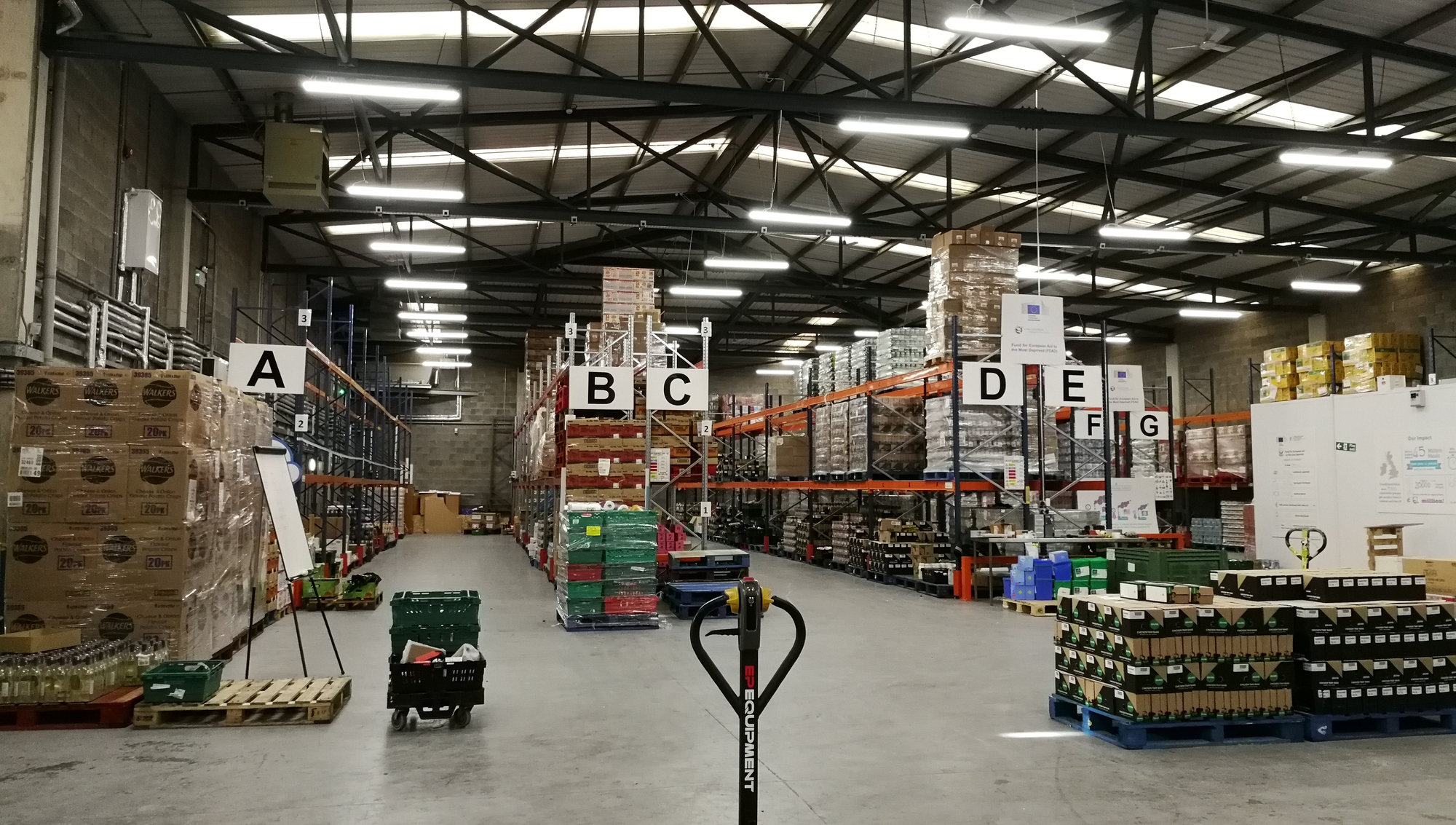
FoodCloud, using their own bespoke technology platform, enables redistribution of surplus food from retailers, food companies, and growers, to frontline charities serving the most vulnerable, while also helping to reduce harmful emissions.

I recently MC-ed an intriguing dinner for 40 at the very wonderful Northside Community Enterprises (NCE), a multi-faceted community training enterprise sited in the former Cork boarding school, Farranferris.
Conceived as a sustainability initiative by Executive Chef Alex Petit and Director of Group Operations Carmel Lonergan, of Trigon Hotels, The Supper Club pop-up saw NCE chefs and trainees aiding Alex in creating a lovely n utritious meal entirely sourced from the FoodCloud warehouse in Little Island — even Pot Noodles earned a reprieve on the night!
For co-founder Aoibheann O’Brien, it was an opportunity to introduce FoodCloud to a Cork audience; despite launching in 2013 with a warehouse hub in Little Island, FoodCloud still remains surprisingly under the radar to the general public.
FoodCloud was founded by Aoibheann O’Brien and Iseult Ward when they met as students in Trinity. The non-profit social enterprise, using their own bespoke technology platform, enables redistribution of surplus food from retailers, food companies, and growers, to frontline charities serving the most vulnerable, while also helping to reduce harmful emissions.
FoodCloud (Ireland) has since added two more warehouse hubs, in Oranmore, Co Galway, and in Tallaght, Dublin, and, in 2024, rescued €15m worth of food, supporting 685 Irish charities.
FoodCloud’s reach is also international, in Britain, Central Europe and Kenya, in Africa, using their Foodiverse technology to connect surplus food to community partners, for the greatest impact at a social level.
Since 2014, FoodCloud estimates it has rescued 177,733 tonnes of surplus food, the equivalent of a staggering 423.2m meals, in the process avoiding carbon emissions to the tune of 508, 388 tonnes.
Food waste arises, by the way, when surplus food goes unused; it is the raison d’etre for FoodCloud. At one stage, I mentioned an annual figure of 750,000 tonnes of food waste in Ireland. Aoibheann gently corrected me; that rose to 835,000 tonnes in 2025. The old figure equated to enough food waste to fill Croke Park 2.5 times.
Some 15 years ago, I visited the Spanish city of Jerez, the sherry capital of the world. Each day, I passed a long queue outside an anonymous building, disparate individuals with no apparent commonality in terms of age, gender, class or economic status. I was quite shocked to eventually learn it was a queue for a food bank, Jerez then a Spanish poster child for the impact of the 2008 global crash.
My only prior exposure to food banks, secondhand, at that, were motley gatherings of the homeless in San Francisco in the 90s; many in the Jerez queues would comfortably slot into any middle class milieu.
Also at The Supper Club was Cian, a student from UCC who had helped to establish the UCC’s Students’ Union new Food Pantry in partnership with FoodCloud, a permanent weekly outlet to reduce food waste and support students experiencing food insecurity. It was quite shocking to not only learn how essential it has become but that there are also similar food banks in eight other Irish campuses.
The SVP charity estimated that approximately 484,200 people were in food poverty in Ireland in 2024, unable to afford or access an adequate nutritious diet, and this happening in Ireland, now one of the richest countries in the world per capita.
Playing devil’s advocate, at one stage I suggested that FoodCloud’s work amounted to ‘greenwashing’ the supply chain model of the giant multiples, while also covering up for the iniquities of the State when it comes to ensuring the welfare of its citizenry.
Aoibheann responded by saying that, in fact, the relationship with the multiples has seen dramatic improvement in their own practices around surplus food. On the latter point, she said nothing would give her greater pleasure than to announce the closure of FoodCloud because it was no longer needed. That speech is someway off.
Aoibheann does believe, though, that, over the next five years, Ireland can become a leader in the circular food economy and in harnessing the positive impact of food sharing.
The one cohort in the food waste scenario that FoodCloud do not work with is Irish households, which account for the largest portion of food waste, 26% of the 835,000 tonnes, approximately €1.2 billion worth of food, costing each household an average of €700 per annum.
In other words, you and I are the biggest offenders of all. Perhaps it’s time we started our own mini-FoodClouds at home. We often complain that we can do nothing as individuals when it comes to climate change; well, cutting down our own food waste at home is, at the very least, a start.
One of my favourite chefs, Meadhbh Halton of Meb’s Veg, is staging a pop-up Supper Club (March 9), in the equally fabulous Sonflour, on Castle Street, in Cork. Not only is the menu fully vegan (and gluten-free), but it is focused on celebrating fresh, local, seasonal spring veg during that annual period of privation, the Hungry Gap.
However, I’ve no doubt Meadhbh will deliver in spades at what promises to be a delightful evening of family-style shared dining. Tickets: €60, including seasonal non-alcoholic beverage with wines/beverages for sale on the night.
Click here.
The 5th Polish Winefest (March 29) takes place in Dublin’s Fumbally, a few weeks away yet, but early bird tickets (€69, until March 20) are now on sale for An Evening with Beata: Queen of Polish Sparkling Wine (March 28) which sees Beata Janton showcase her Polish sparkling wines with a menu of Irish seafood, including oysters, at Sea Shanty Blackrock, in Dublin.
Click here.
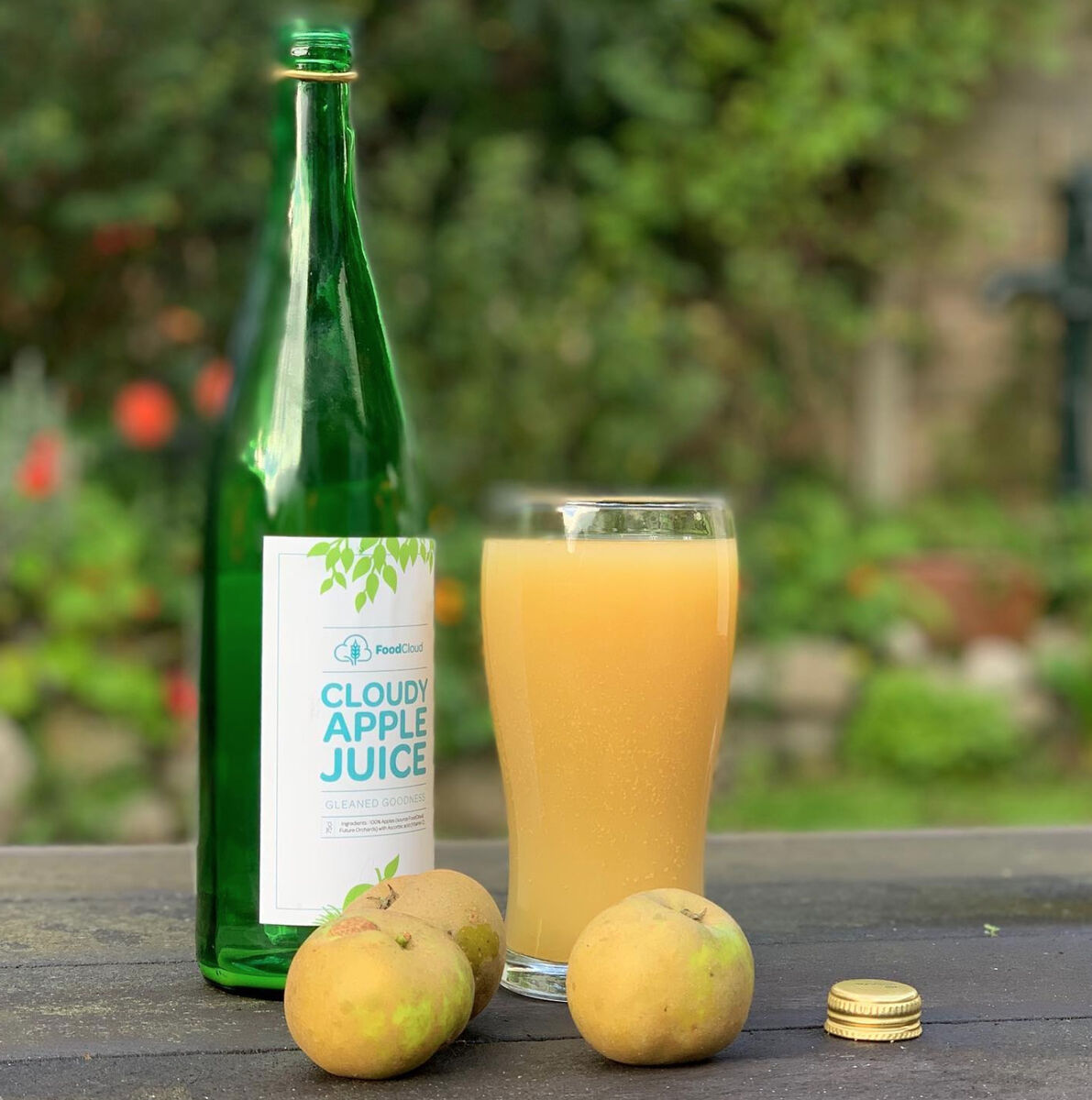
In 2020, the Irish Food Writers Guild gave Falling Fruit Ireland a special community award at our annual food awards, one of the most prestigious such accolades in Ireland, for their work in collecting surplus fruit and vegetables left over on the land after harvest.
Very naturally, they approached FoodCloud with the literal and metaphorical fruits of their labours but that surplus of fresh produce was too much for even FoodCloud to use in its entirety.
Instead, FoodCloud created Cloudy Apple Juice, a delicious fresh juice using surplus apples from Falling Fruit. What’s more, the sweet nectar with a refreshing tart undertone bears a hint of the musk of many of the heritage apples contained within, a flavour spectrum that truly revealed itself when I used the juice in an exquisite homemade apple sorbet.
Visit FoodCloud