Irish-based cereal brand Homespun: All sweetness — and light on sugar 
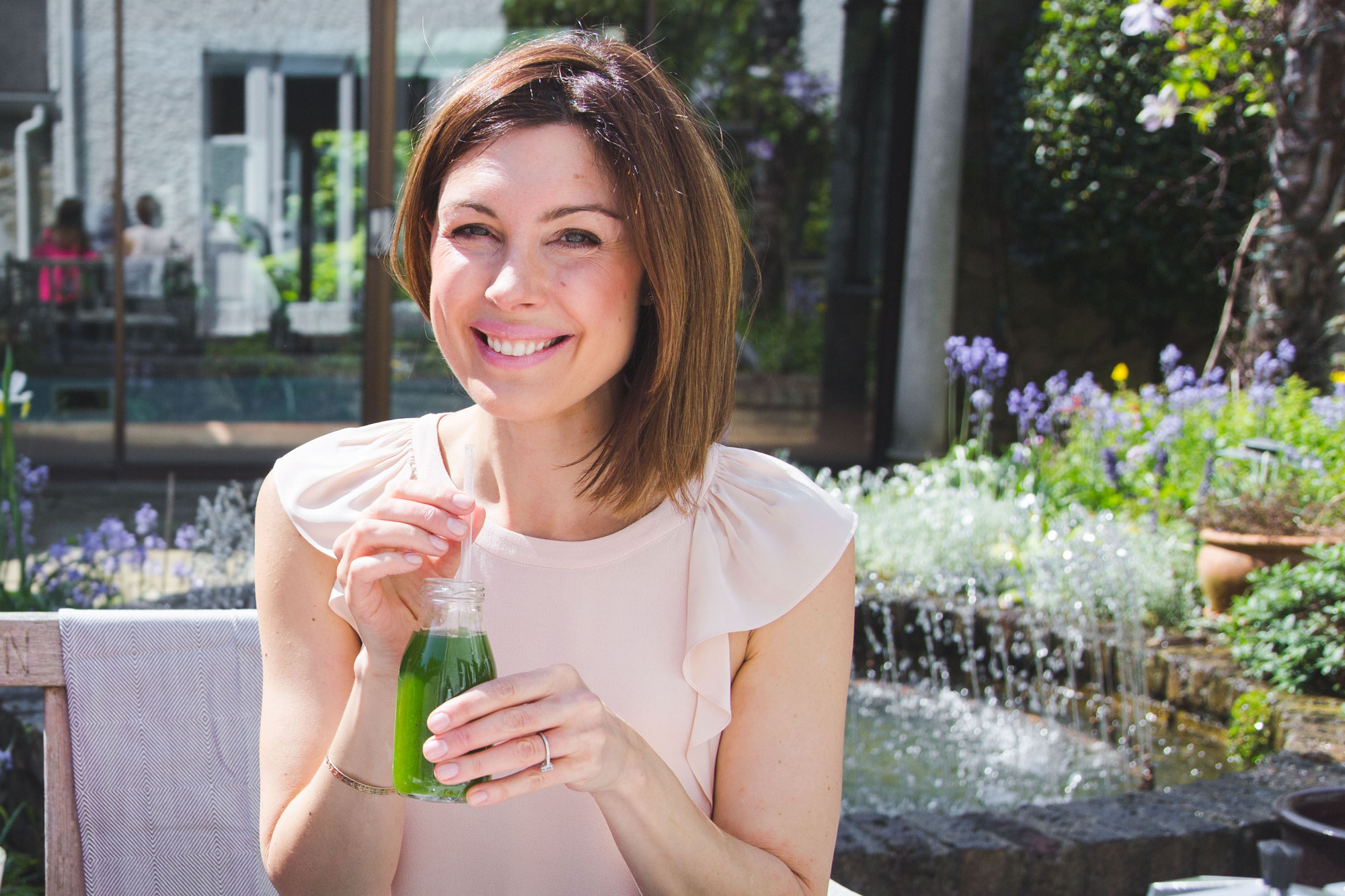
Founder of food brand Homespun Erica Sheehan on the low-sugar, low-carbohydrate, high-fibre sugar substitute she calls her ‘secret sauce’
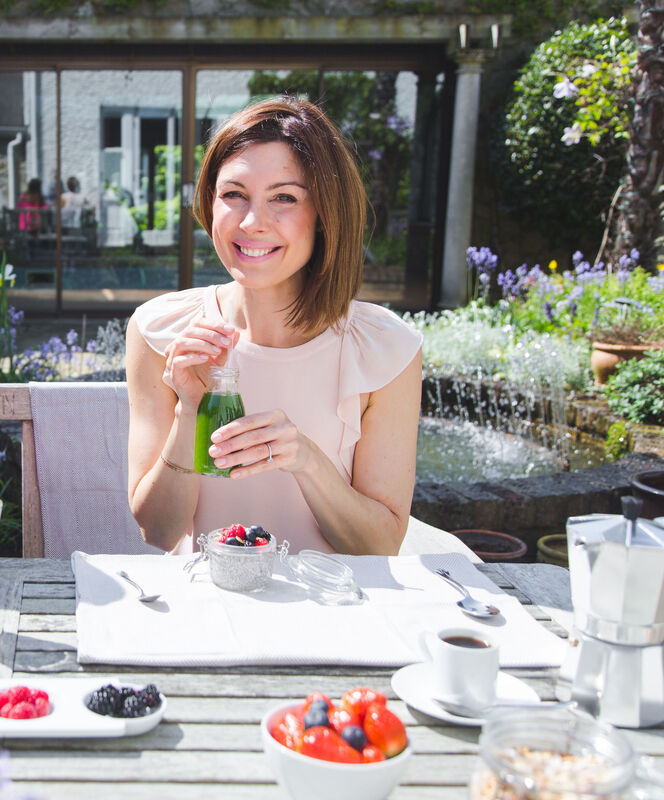
Erica Sheehan of Homespun

Erica Sheehan of Homespun

In the over-sweetened, sugar-saturated world of breakfast cereals and on-the-go snacks, Erica Sheehan is working towards a healthier alternative. 

Dublin-based Sheehan established Homespun in 2016, and her product range — lower-sugar granola and oat bars, together with chicory root syrup, a low-sugar, low-carbohydrate, high-fibre sugar substitute — is now stocked in independent health and food shops, branches of Holland & Barrett, Nourish, SuperValu, and Avoca.

One in 10 adults aged 50 and over has type 2 diabetes (rising to 16% in those aged 80 and over), according to a 2015 Irish Longitudinal Study on Ageing. 

But there are dietary changes that you can make to prevent this, and one is to cut down on the amount of sugar you consume. It’s something that Sheehan has been working on for the last eight years with her health-focused brand.

“I wanted to do something that I could grow and build over time and nourish and really call my own,” says Sheehan, who started selling her first product, a quinoa-based granola, at the Honest2Goodness farmers’ market in Glasnevin.

With a father who grew his own vegetables and a mother who cooked everything from scratch when she was growing up (“I remember putting out nets while on holidays in Co Kerry so that we could catch fresh crab for dinner”), food has always been important for her family. 

“We’re always thinking about what we’re going to eat next,” she says.

After working in the media, corporate PR and communications, Sheehan decided to take a step in a new direction in 2016: “I basically decided to start a farmers’ market project. I was making granola at home and people really loved the quinoa pops version. I approached Bríd Carter [organiser of Honest2Goodness] and she said ‘I love this, come out and you can see how you get on.’”

From day one, Sheehan was “bitten by the bug, I had found my tribe…I was doing nine to five in corporate life and going home in the evenings to bake granola, surrounded by nuts and seeds and quinoa. That was the start of Homespun, a business that I had spun out of my home that was wholesome and healthy.”

While granola often has a health halo, focusing on the oats, nuts, and seeds it contains, it can be high in sugar and fat. That sweetly addictive crunch doesn’t come without dietary compromises. If you examine the ingredients of a box or bag of commercial granola, you’ll discover that sugar is regularly number two on the list of ingredients, which are ordered by weight.

Erica Sheehan of Homespun

Sheehan’s take on the baked cereal uses quinoa pops — think puffed rice, but using protein-rich quinoa — along with gluten-free oats but her main source of sweetness is what she calls her “secret sauce”: chicory root syrup. 

This sweetener is derived from the fleshy taproot of chicory, a plant that has been eaten since ancient Greek and Roman times. In the 1700s, it was discovered that the dried and roasted roots could be combined with coffee or used as a coffee substitute.

Irish people have used chicory as the flavouring in coffee cakes for generations in the form of Irel, that dark, slim bottle of syrupy chicory and coffee essence that once lived at the back of every baking shelf.

It wasn’t until the 1970s that researchers discovered that chicory roots were rich in fibre, particularly inulin, a prebiotic that feeds and encourages the development of beneficial gut bacteria.

When processed into syrup, it contains 58g of fibre in each 100g — other liquid sweeteners like honey, maple syrup and agave syrup have between 0g and 0.2g.

The chicory root syrup itself has a mildly sweet flavour and contains just 14g of naturally occurring sugar per 100g. In comparison, honey has 82g, maple syrup comes in at 66g and agave syrup has 68g. Regular white table sugar has 100g sugar per 100g.

Chicory root syrup also has a low glycemic index, which means it keeps your blood sugars low, something particularly important for diabetics or those with a prediabetic diagnosis.

With her customers, Sheehan has noticed that “a huge number of people are minded to manage their blood sugars because they are diabetics or they see that their wellbeing is better by observing a low- GI diet. This [chicory root syrup] is scientifically proven not to spike your blood sugars.”

Sheehan first came across chicory root syrup while doing product development for her recently released oat bar collection. 

“I never intended to enter the alternative sugars area,” she says. “I was looking for an alternative to sugar, a natural sweetener and a nutritionist said to try this. At the time, I didn’t know anything about it, although I had heard of Irel, so went down the rabbit hole to learn about it and its benefits.”

She sourced it from a Belgian co-op — there’s no chicory being grown and processed in Ireland — and began experimenting with it during lockdown. 

While Sheehan was recipe testing with the chicory root syrup, her family also started using it on their porridge. From there, it was a short step to what she calls her “eureka moment”: putting it into jars and selling it as a syrup that can be added to coffee or cacao, drizzled on porridge and pancakes or used as an ingredient.

“People love it because it’s not too sweet. With healthier alternatives, there’s a concern that they can taste weird but people are pleasantly surprised at how pleasant it is with no aftertaste.”

She imports the chicory root syrup, which is jarred in Co Laois; the granolas and oat bars are made in Ireland by her manufacturing partners.

According to the International Diabetes Federation Atlas 2021, Ireland is ranked seventh in the world for diabetes-related health expenditure per person. 

Cutting down on sugar is a dietary move with positive implications for many—and it doesn’t have to mean a flavourless future.

“I wanted to create a range of beautifully packaged, great tasting healthier alternatives,” says Sheehan, “with an Irish heart and soul.”

More in this section

ieFood

Newsletter

Sign up for our weekly journey into the best of Ireland’s food scene with recipes, reviews and stories from our award‑winning food writers.

Cookie Policy Privacy Policy Brand Safety FAQ Help Contact Us Terms and Conditions

© Examiner Echo Group Limited