Women in Irish food: 'I watched behaviour in that kitchen and said it will never happen in mine'
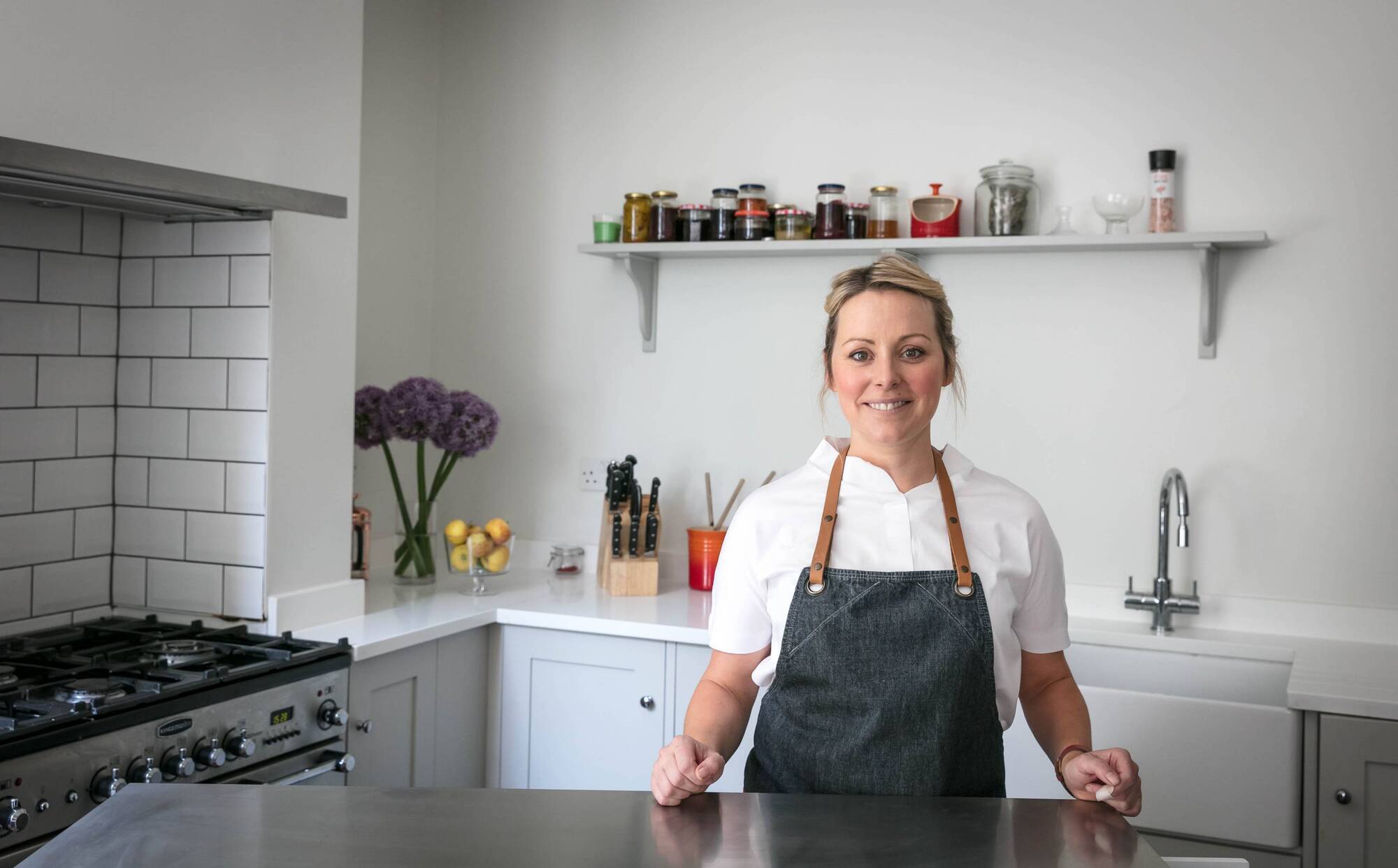
Anna Haugh, TV chef and chef-proprietor, Myrtle, London.
But as I grew, I came to know more and more strong, inspiring women and so I became complacent. I stopped ‘noticing’, lazily assuming that, bar a few troglodytes whose company I anyway avoided like the plague, female equality was pretty much a done deal, that all the major battles had been fought and won. In reality, much of the misogyny had been driven underground.
Then ten years ago I became father to my daughter and, in the years since, I have woken up to the true extent of the problem, of the many battles still to be fought for female equality, as I slowly registered all the ways she still might, as an adult woman, have to take a back seat, to take second place to men in a world, too often violently misogynistic and where discrimination is so deeply embedded it is often unquestioningly assumed to be the natural order.
I felt I couldn’t talk about bullying before in interviews, but it is different now I have my own restaurant. I am in power, I’m not worried about an employer. I was absolutely rejected by all the boys in the restaurant when I first came over to England. The vibe was, if you’re not going to sleep with us, then there's no point in you being in this kitchen.
They’d say, ‘we’re going to the Duke for lunch, Anna, follow us down when you’ve finished.’ I’d go down and they wouldn’t be there. When they came back, they’d say, ‘we didn’t see you at lunch, Anna,’ and ‘I’d say, oh, I went to the shops.’ I wouldn’t give them the satisfaction.
I saw that as being tested back then, pushing to make you cry but I wouldn’t. I would have cried but not from that kind of stuff. I’d cry about a day when I’d tried so hard, put everything in to it but made a mistake and was made a show of. I cried because I failed, I fucked up.
There was a senior member of the kitchen staff in another restaurant further on in my career who bullied anyone he thought he could bully.
We’d have to leave at midnight on the dot to get the last tube and he’d watch the clock and let you go at 12.03am, you’d hurl yourself down the road and barely make it. Or he’d wait til 12.07am and you’d definitely miss it. You’d get home at 3am and have to be up again at 6.30am. How screwed up is that, physically weakening the team for power? He held power and abused it.
He used to burn me, putting hot pans on my wrists, my arms looked like they had cornflakes on them, open burn wounds. We had just one changing room and he’d take off his clothes and be naked from the waist down. He wasn’t even trying it on with me, it was just intimidation. In fairness, when I walked out some of the other male chefs went in and told him to put some clothes on.
He told loads of lies about me, which I only found out later from a head chef, these constant stories of me refusing to do things. He stopped physically burning me the day I grabbed his wrist and said no. I wasn’t a fragile flower in that kitchen, floating around. I was strong — I became a sous chef eventually. He would have been a bully in any job, a feral human being who I still hate.
That kitchen really, really shaped me as a cook, in my technical ability, but I knew it was wrong.
In my kitchen [in her restaurant, Myrtle, called after Myrtle Allen], it’s a shock if you don’t say, ‘please’ [laughing], even in the madness of full service.
When I moved on and became head chef [Gordon Ramsey Group] I still used to have to prove myself to every single young male commis chef who walked through the door.
They don’t have the experience in the industry to appreciate how much work and drive it takes to get to a certain level and stay in it — anyone can say I worked in a Michelin star restaurant for a year, but who can say I worked in a Michelin star restaurant for 80% of my career.
They wouldn’t look at me when I was talking, didn’t follow what I was saying. I had to be constantly on my game to manage them. They’d go to other chefs, but might get the wrong information. Eventually they’d realise that I could handle the service, that I really knew what I was doing and, when I was managing, they were in good hands, I genuinely believe the best kitchen is one with men and women, two different experiences, two different perspectives, the best of both worlds. They come up with better ideas, there is a chemistry of working together that is different to two genders working separately. I don’t think there is anything gender specific, it’s a job for everybody.
It’s the best decision I ever made in my life [to become a chef]. I love it, I just love everything about it, it feels like a vocation, it gives me such pleasure to make people happy.
Chef and Proprietor, Grá Chocolates
My family was very balanced, my father did loads at home, breads, pizza and my mum would have done the sweet stuff. Both parents worked full time, always late, so they balanced it up between the two of them and my father would have come home any day during the week and cooked absolutely no problem.
I grew up with my brothers so I always had to battle with my brothers so it wasn’t difficult going into a male-dominated kitchen because it was a world I was used to. If you have a voice and can stand up for yourself, you can go further but I think that stands true whether you are male or female. Once you can stand up for yourself, you don’t leave the opportunity to be bullied I work very hard, not to prove myself as a woman, but because I didn’t do any formal culinary arts training.
I think everyone is different but definitely that delicate [woman’s] touch helps in pastry [Gráinne’s specialty]. Women and men can work very well together, two different outlooks but put together, you get a lovely result.
I find there is great cameraderie, working with men. It’s like having a whole group of brothers. If there’s a downside, it’s like having brothers, the way they wind you up and tease you! [laughing]
I love the artistic, creative side of my job, coming up with new flavours, I’ll never get sick of that, having an idea and making it a reality. It’s a great career. You can learn so much. You can really advance when you work hard, and it can take you anywhere in the world, and you are always learning.
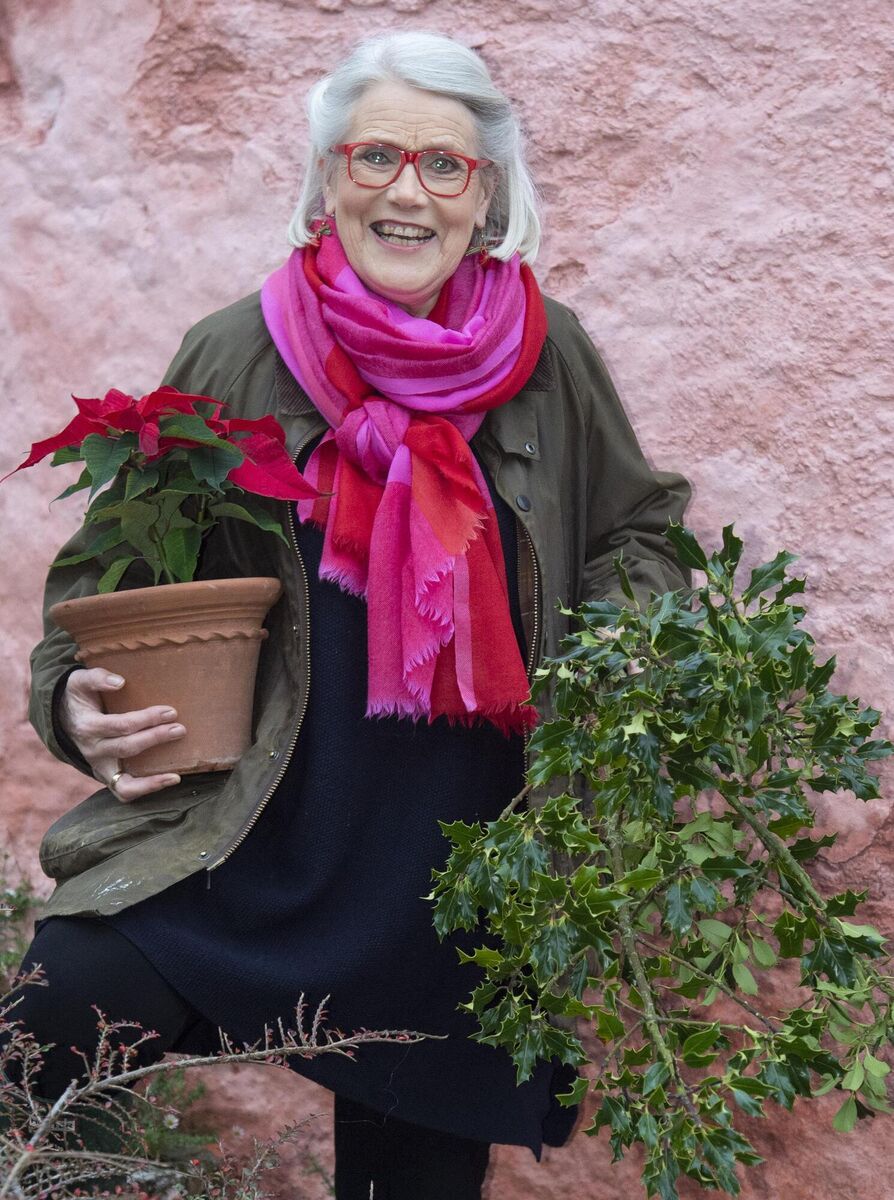
The old bullying kitchen culture where the man is the boss is still a work in progress but in the Ballymaloe kitchen we weren’t even aware of it at the time. It was such a happy quiet kitchen, totally egalitarian, never sexist, we never even thought about the boy-girl ratio. Myrtle never even called herself head chef, there was no question of any kind of bullying or swearing.
A mixture of sexes in the kitchen is a good thing for humour and exchange of ideas because we look on food differently and being open and sharing information contributes to a happy creative kitchen.
Men definitely cook differently, so into the macho thing of butchering, or the classic example of the BBQ, men really love to grill, it's the primeval thing. He may not put his foot inside the kitchen but he’s happy to fire up the grill.
Men are hardwired to a certain extent, you only have to see them cooking over fire, it definitely pumps up the testosterone. It’s an epigenetic thing, deep in our psyche over generations. When I first started the school, the women weren’t into it, but now the girls want to pluck and eviscerate the pheasant, to butcher an animal.
If you are drawn towards it and have an interest and love of food then absolutely it’s a wonderful career, but you have to stamina, the curiosity, the drive to learn and to continue on and on learning, but if it turns into just a job, find something else because the work is very, very hard.
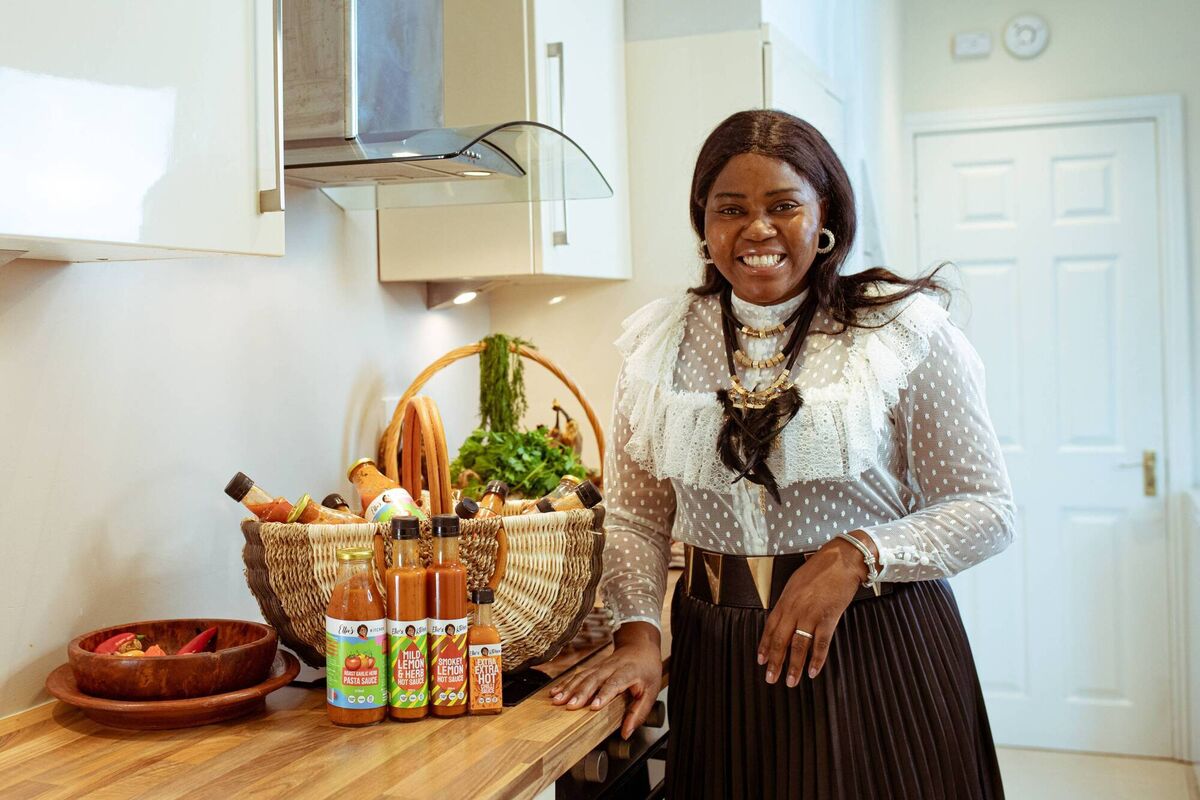
In my experience, women in the professional kitchen women are undermined, they are viewed as objects, not as professionals or as people who can bring new ideas. It has happened to me a lot — and there is the issue of racism. I have been able to separate the two but unfortunately the two often come together.
I had an appointment for a business meeting with the boss at a certain kitchen in Dublin. A man opened the door and when I told him who I was there to see, he looked shocked I was even there, and he looked me up and down and said, ‘maybe, you’re looking for someone else,’ as if I couldn’t really know that person. I told him very definitely who I had a meeting with. He walked away very confused, went into another chef talked to him and then went upstairs.
His boss came running down the stairs, shouting ‘Elllllllllliiiieeee!, Oooooohhhh, Ellie!!!’ The way you Irish people do, so enthusiastic! [laughing] and he came up and hugged me and was saying, ‘come on, let me make you a cup of tea’, and everyone in the kitchen went quiet, numb. We chatted and when I had to go, he said, do you want me to drop you? I’m so honoured you came to see me!’ The next time I went there, the atmosphere was very different!
I’ve always had to a work harder, as a woman and as a black woman but I am a very positive person and I look to the big picture. Because of this, I make sure that deliver and that is how that situation has helped me, it has enabled me to become better.
The best thing about my job is meeting people like you, having this national relationship with food, making these great friendships, receiving texts and emails from abroad from people you’ve never met telling you they love what you do.
My niece lives in Ballina and she’s always saying, ‘I want to be my like my auntie Ellie, I want to cook on the telly! [laughing] but, seriously, I would advise any young girl to become a chef, 100%!
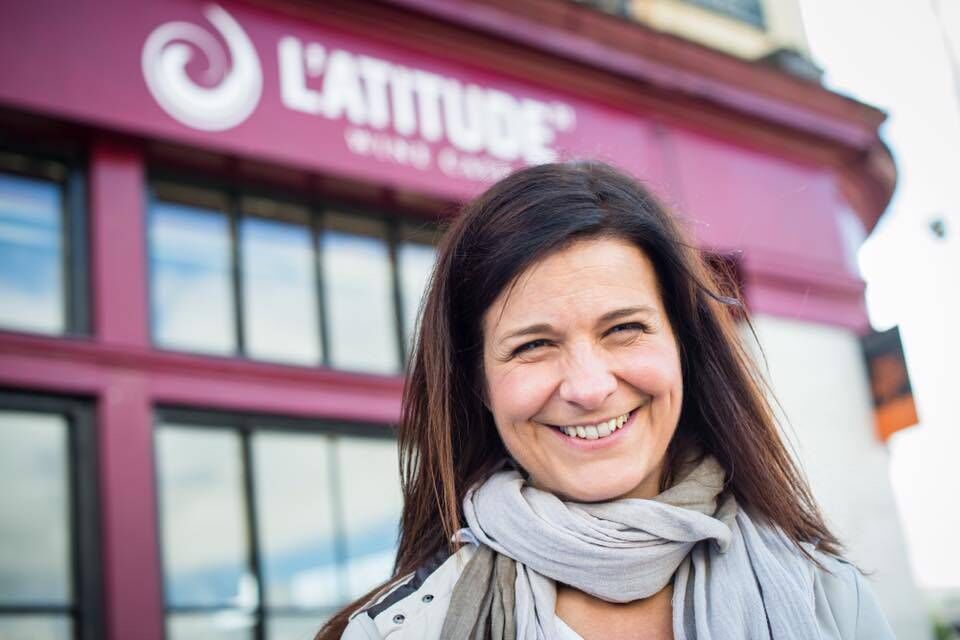
One of my best friends is the daughter of a chef but he also cooked in the family home and she loves food but won’t go near the kitchen and married a man who is also a great cook-chef, but in the majority of the homes it is the woman who is seen as the ‘carer’ in the home, while the man goes out and works, thankfully it does seem to be changing.
We know bullying happens in professional kitchens — it happens in all walks of life — but how you cope is down to the individual, depending on how you’ve been raised, or the work culture. I haven’t really experienced it in hospitality because I originally came from an IT background, a 50-50 split between men and women, and then went into a business [L’Atitude 51] where I am the boss. And I’m the youngest of three with two older brothers so I learned how to fight to make myself heard if I wanted to be heard.
But I did have a situation with a chef, an employee, he was very, very good but a demon to work with, created a really horrible working environment, I would have found reasons not to go into the kitchen and that is a form of bullying, reverse bullying. I don’t think he would have done it to a man, but I think he saw me as a woman without extended experience in hospitality.
Now you can’t generalise across the board, but from my experience of wine tastings women seem to have a better developed sense of smell, able to pick up on smells and link them back to a memory bank of flavours. I do speed tastings, blind tastings, for non-professionals without any wine training and the women are generally right, whereas the men are less so, so perhaps we are coded differently, I feel there is a greater equality generally in Ireland than England.
I worked for a multinational and would go over there at Christmas for parties, etc. and the difference in attitude was very noticeable, very sexist, just the way they’d talk to you and the way they’d behave, taking it for granted you’d fall into bed with them and if you didn’t and you were working on project with them later on there would be consequences. It was very crass, they didn’t seem to bother trying to hide it either.
I’ve come across more men who treat food as fuel, and have no idea what it was or would recognise it again but I think everyone has their own unique relationship with food. It is my pleasure, the one thing I look forward to every day, it’s my entertainment, cooking, a nice glass of wine, but that is all based on individuals not gender.
I love getting to taste lovely food and wine, the creativity, feeling that you are actually doing something that brings some sort of happiness to people, even if it is only very minor. Don’t be put off by the fact that hospitality looks like it might be a man’s club. The more women that go for it, the easier it will become for women.
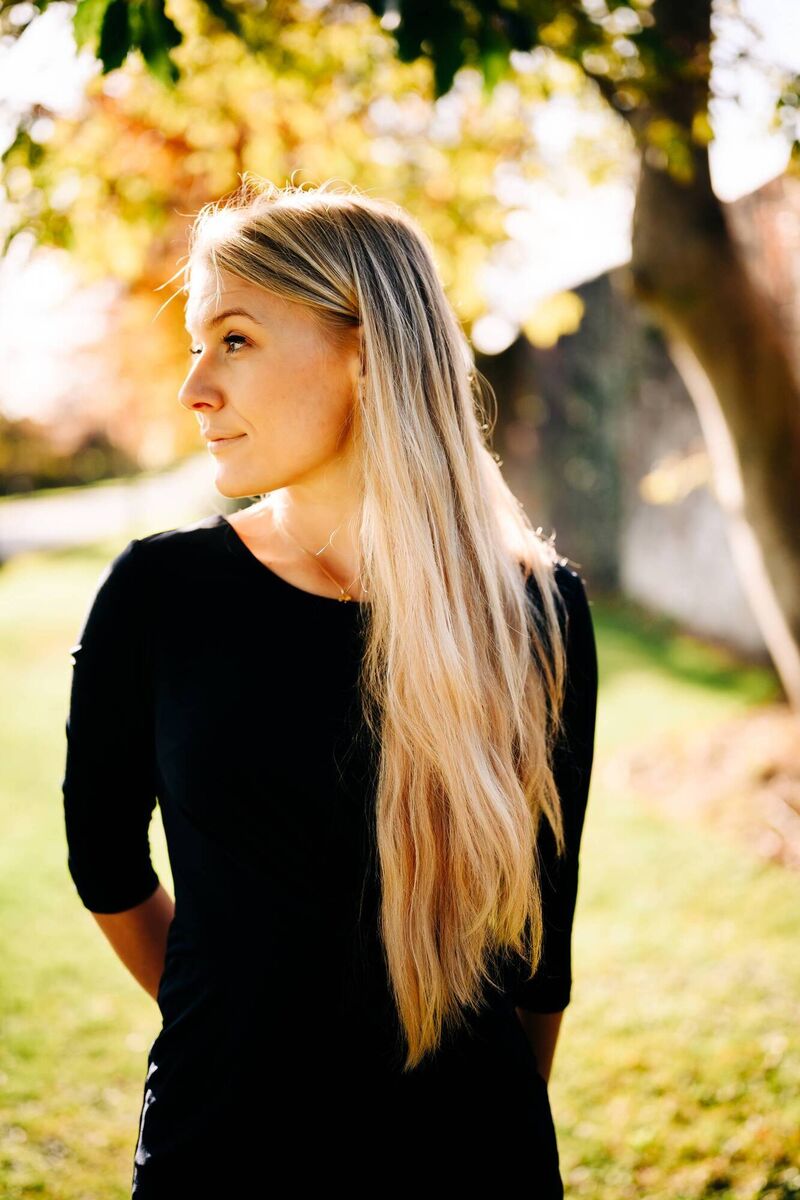
I’m from a Scandinavian country [Denmark] and it is more and more equal that the men cook at home. I also think I’ve been very lucky where I work and it’s a completely different era that I’m working in. I’ve always worked for people who are extremely lovely, a family relationship. People always say it sounds like a fairytale but the chefs I worked for wouldn’t look at your gender, just who is behind it.
I think it is irrelevant whether I am working with a woman or a man in a kitchen unless that man in the kitchen is my husband. [Majken’s husband, Jordan Bailey, is head chef at Aimsir.] The best thing about working with him is we naturally want the best for each other in life so we trust each other to tell the other how to improve. It can also be the worst thing, standing cooking at home and either of us says, ‘is it meant to look like that?’ and you say, ‘Oh God! Give me space! [laughing] I love people, it is the best thing about my job. I can have a bad day but the moment a guest walks into a restaurant, I can’t explain it really, it makes my day. It is a very human job, it is amazing to get to know people, hear their stories and share their pleasure at being there.
I think men and women taste differently, we like different things. A good example is the sense of bitterness. A lot of women don’t like beers that have a bitter taste. It could be that back in the stone age, women tasting berries to survive, if they were bitter you didn’t take it. When we are doing our tastings often women refuse the bitter beers. Of course we can train it, if you taste something 20 times you can get used to it.
Sometimes I’ve thought I made the wrong decision because all my friend have degrees and are lawyers, doctors, financial directors but if you have a dream I don't think that matters. If I have a daughter and she said she wanted to be a chef, I’d say, ‘go for it but don’t work for your dad!’ [laughing]. Actually, Jordan and I had a year when we worked separately and we realised we couldn’t do it, we had to work together, we had become family.
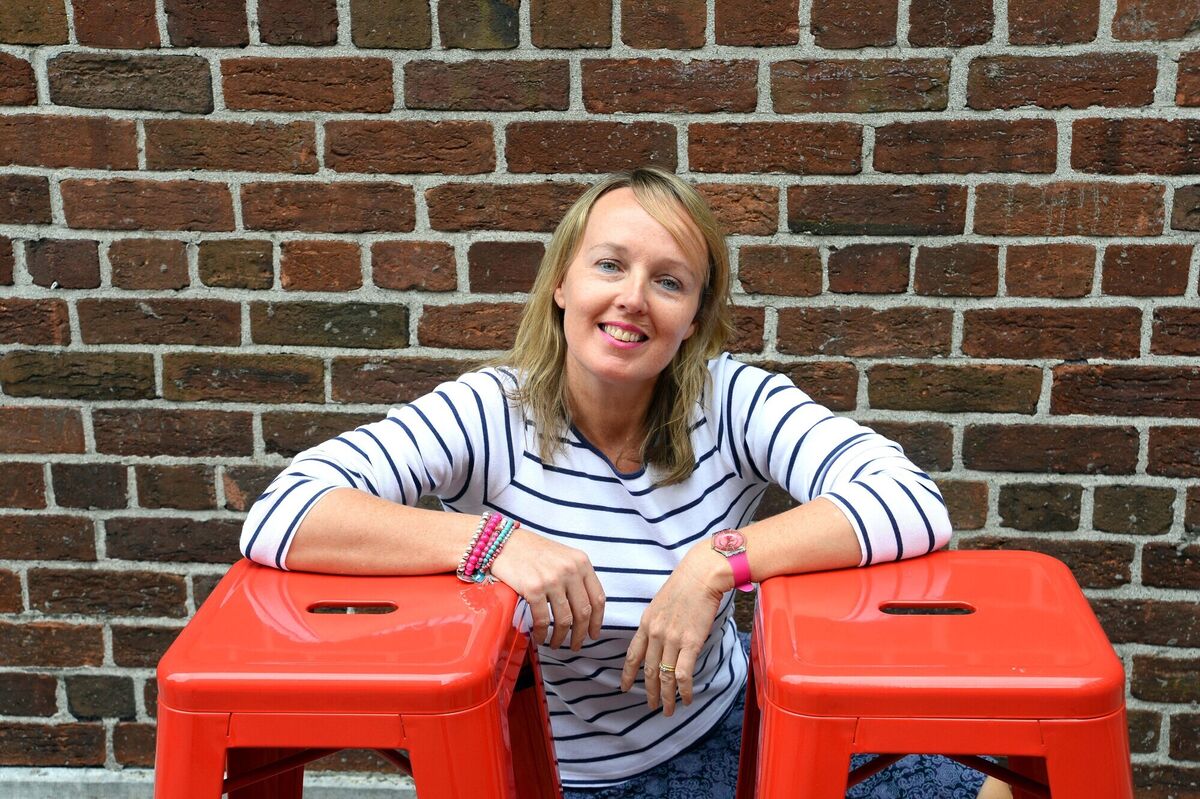
I grew up on a farm, my dad would have no problem having me out with my brother and sister milking the cows but he would not go near the kitchen. Modern equality means the load is being shared more but just because men and women are out working, women are still inclined to be getting the dinner on the table.
I was never made to feel inferior but I have been bullied but I fought back and it never happened again. It was more sexual harassment, hand on the bum as I was going into the fridge and I told him to eff off but that’s me, brought up in the country and I’m feisty. He never did it again.
Obviously there are differences between men and women but there is nothing about one gender that makes it superior to the other. I’m very pro-women but we run our business based on whose best for the job, we almost never mention gender. The best thing about working with men in the kitchen? [Laughing] Learning new and unusual swear words and then using them yourself, that’s the reality in a kitchen, when you get boiling water over your hands, you’re not going to say, ‘damn!’ I love working with the different seasons and the different ingredients, always changing, so it’s never dull. I wouldn’t be a great nine to five person so it’s fresh, it’s different Food doesn’t have a gender but cake is definitely female, at the moment I’m nine tenths cake.
30 years in the business I’ve had a great career, very varied, I’m always learning and it took me all over the world, that was a huge thing for me, to go off and walk in somewhere and say, I’m a chef and get a job.