Joe McNamee: How a McDonald's opening in Rome led Carlo Petrini to start the Slow Food movement
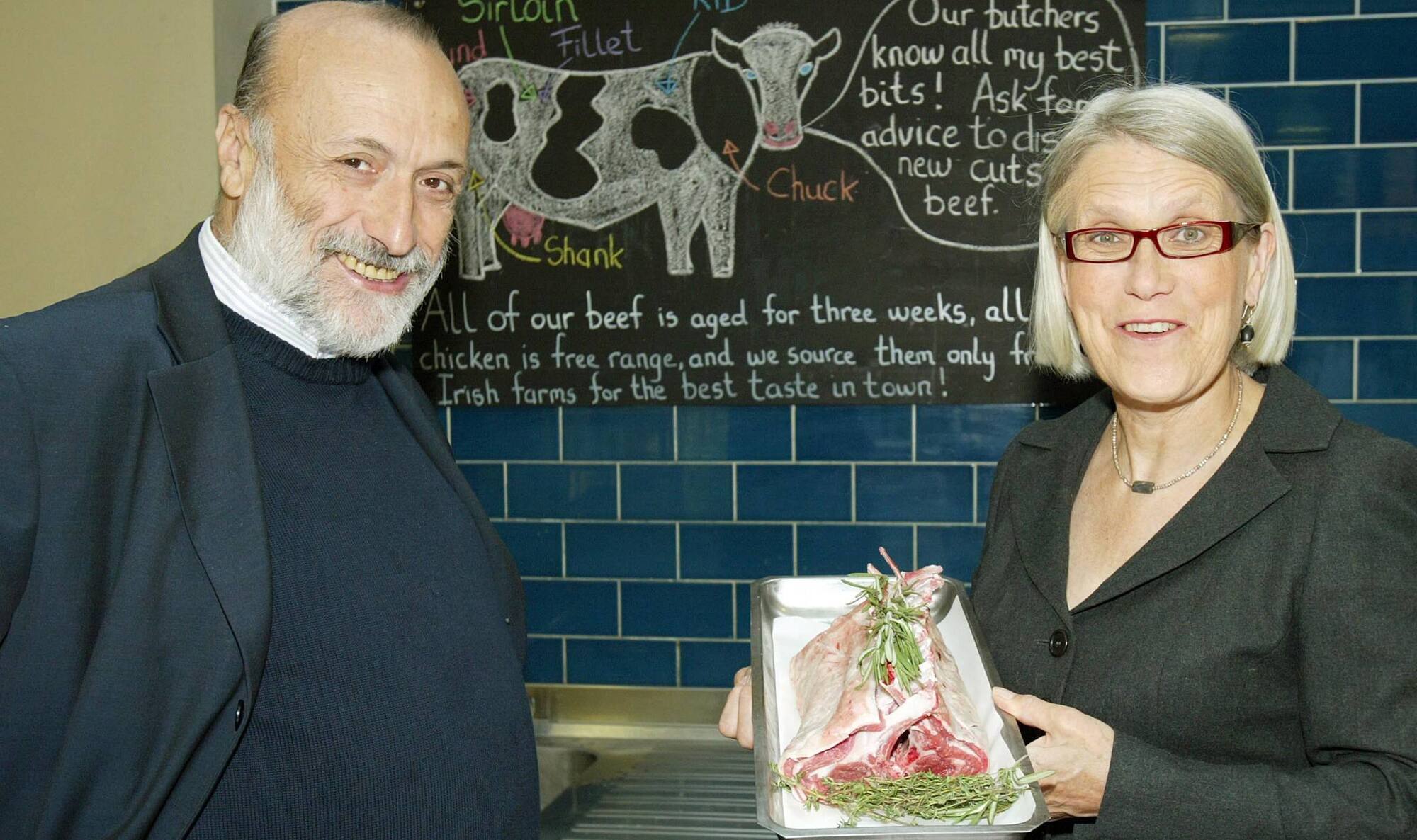
Carlo Petrini, president and founder, Slow Food International, with Darina Allen.

We have lost one of the best with the recent death of the remarkable Carlo Petrini, founder of the global Slow Food movement, a man whose enormous influence was global and profound, including in Ireland.
Petrini was born in the commune of Bra (30 miles south of Turin) in 1949, a small town where good, local, and sustainably-produced food was a given, its consumption an integral part of daily life and the food culture.
But, by the 1980s, Italy, like the rest of the world, was losing its traditional food culture to the rise of industrialised agriculture and food production systems.
In 1986, seeing a beloved coffee shop near the Spanish Steps in Rome was to be replaced with a McDonald’s, Petrini started a campaign. He and his supporters would protest outside, handing out free pasta. ‘Slow Food’ seemed an entirely appropriate name for a group that opposed ‘fast food’, and instead embraced seasonal foods, sustainable farming, and traditional cooking.
A former radio journalist, the immensely charismatic Petrini was well able to tell a story and craft a message that landed unerringly and always with winning simplicity.
In 2004, Slow Food launched Terra Madre, a global network of Slow Food grassroots organisations, adding a collective sense of empowerment to hitherto scattered and vulnerable small-scale farmers, artisan food producers, and other associated groups, all dedicated to promoting food that is ‘good, clean and fair’. In other words, nutritious, seasonal, and sustainable local food, produced in a way that respects environment and animal welfare, and ensures fair compensation for producers and accessible prices for consumers.
Neither was it elitist or exclusive. Petrini believed pleasure that comes from eating good seasonal, local food should be a universal privilege. Accordingly, he was an early and committed opponent of the industrialised food production system churning out ultra-processed foods.
In 2004, he founded the University of Gastronomic Sciences, in Pollenzo, connecting agriculture and gastronomy and preparing students for employment in food and tourism, bringing with them a Slow Food mindset.
That Roman outlet of McDonald’s did open, many more following in its wake, but Slow Food also grew. Today there are 100,000 members worldwide, with branches in 160 countries, and wide-ranging support across Europe from many high-profile champions including Britain’s King Charles and the late Pope Francis.
Darina Allen was one of the founding members of the Irish branch of Slow Food and, for a number of years, it was highly active and very influential. Though the formal organisation has fallen away in recent years, its philosophy is now deeply embedded in the heart of Irish food.
In 2012, Darina persuaded me to travel with the Irish convivium to Salone del Gusto in Turin, telling me it would be ‘life-changing’. A Slow Food Presidium is a grassroots, community-led collective of specific food producers or groups formed to protect a product and the traditional practices used to make it. Ireland has one, the Raw Milk Cheese Presidium, and, representing the Irish stand that year, several fine Irish cheesemakers made for a wonderful travelling party.
Salone del Gusto is an astonishing experience that anyone at all interested in food should experience at least once in a lifetime. A vast industrial space, it is an assembly of food producers and artisans from around the world, along with conferences, forums, workshops, tastings and cooking demos. Yes, it did feature some incredible food — but the biggest draw of all was the producers themselves, the people and their stories, inspiring individuals, some of whom I am still in touch with to this day.
On our return, Darina asked if it had ‘changed my life’. No, I said, I was an already fully paid-up subscriber to the Slow Food philosophy. However, what it did do was give me new-found hope, courage and inspiration, having learned I wasn’t a tiny, insignificant being wilting alone in the face of the globalised industrial food production behemoth. At Salone del Gusto, I learned that there were many more people around the world who felt the same way as I did and that there could be strength in numbers: As the famous Terra Madre rallying cry has it, “they may be giants, but we are millions”.
Simon Kershaw is one of my favourite under-the-radar Irish chefs, erstwhile culinary partner of Bob Cairns, at Camus Farm Field Kitchen, and also a master sandwich maker from his Ceapairí food truck.
Simon is teaming up once again with Kitchen Stories in Ballydehob where he is delivering a summer series of pop-up restaurant nights (5.30pm-9pm), serving up his highly innovative and ever delicious menus starring local produce, including veg-forward dishes and maybe even some organic beef.
Walk-in only, but DM to book for parties of six or more.
- Instagram: @kitchenstorieswestcorktarget="_blank" rel="noopener noreferrer"> and @ceapairi_the_gourmet_grill
The Irish Yogurts Clonakilty Street Carnival (June 13) returns to the lovely West Cork town with the highlight being Ireland’s biggest open-air, long-table dinner party on Pearse Street, with dishes from local food producers and chefs, along with a family-friendly programme of street entertainment.
It is that time of year when my favourite food quite literally crops up once more —new potatoes. My annual go-to food emporium is always that fine little indie food outlet, Menloe Stores, in Blackrock, in Cork, where the first new spuds are tunnel-grown Home Guards, always a terrific tuberous feast.
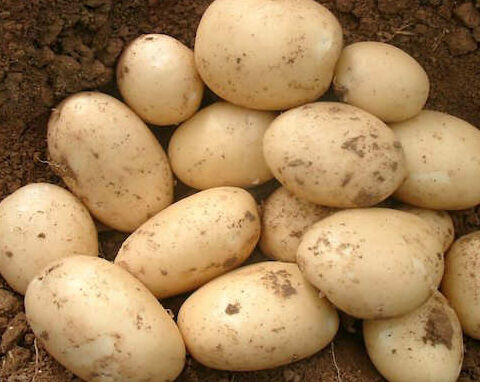
This year, however, pride of ‘plate’ went to Bradley Putze, of Lisheen Greens, in West Cork, and his sumptuous new Orla potatoes, which I recently served up to a posse of travelling American tourists, steamed and with a humongous pat of smoked salmon butter, made with wild salmon from Woodcock Smokery.