Seafood Made Simple: My one-pot monkfish chasseur is inspired by childhood dinners
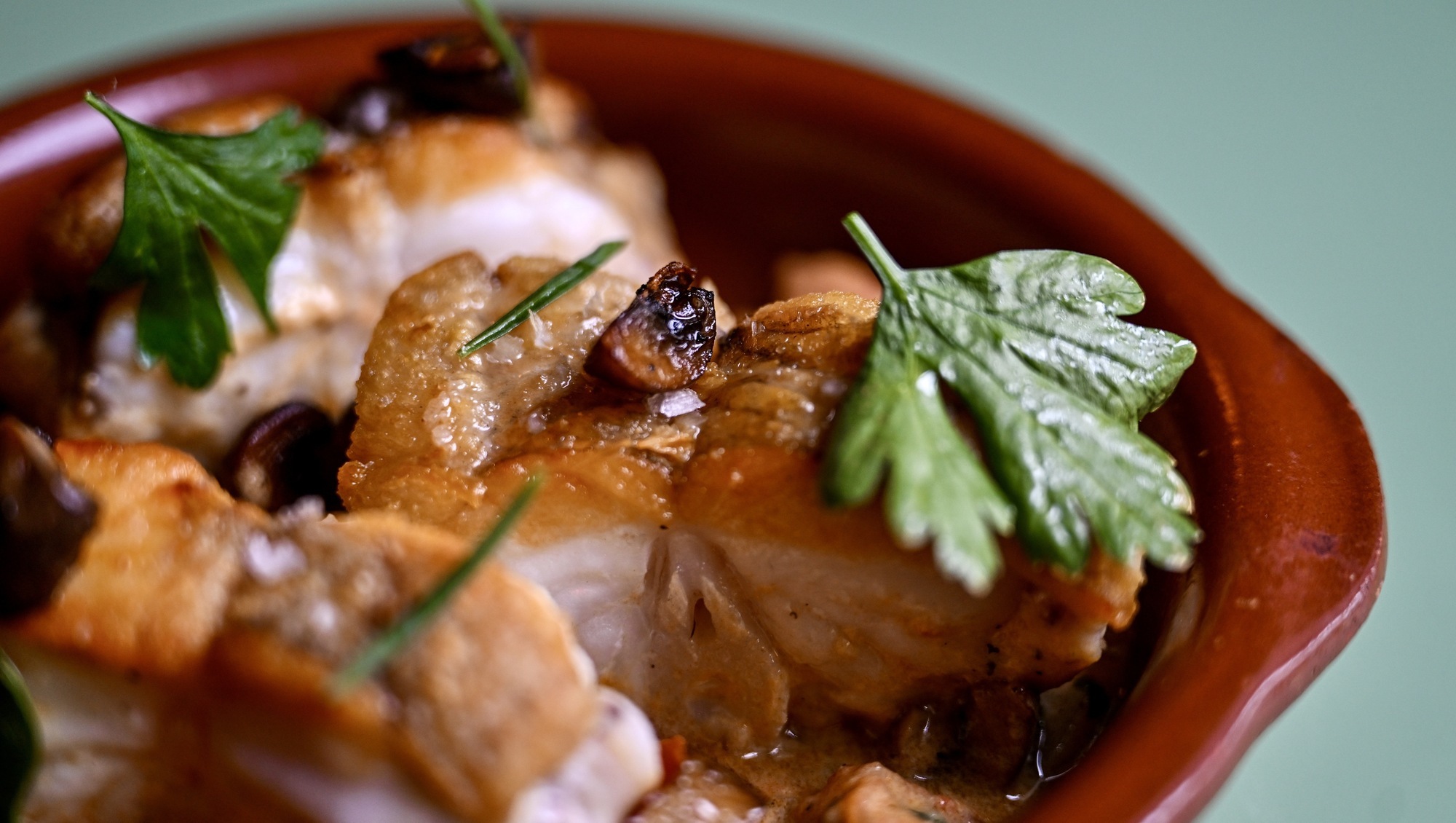
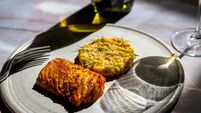
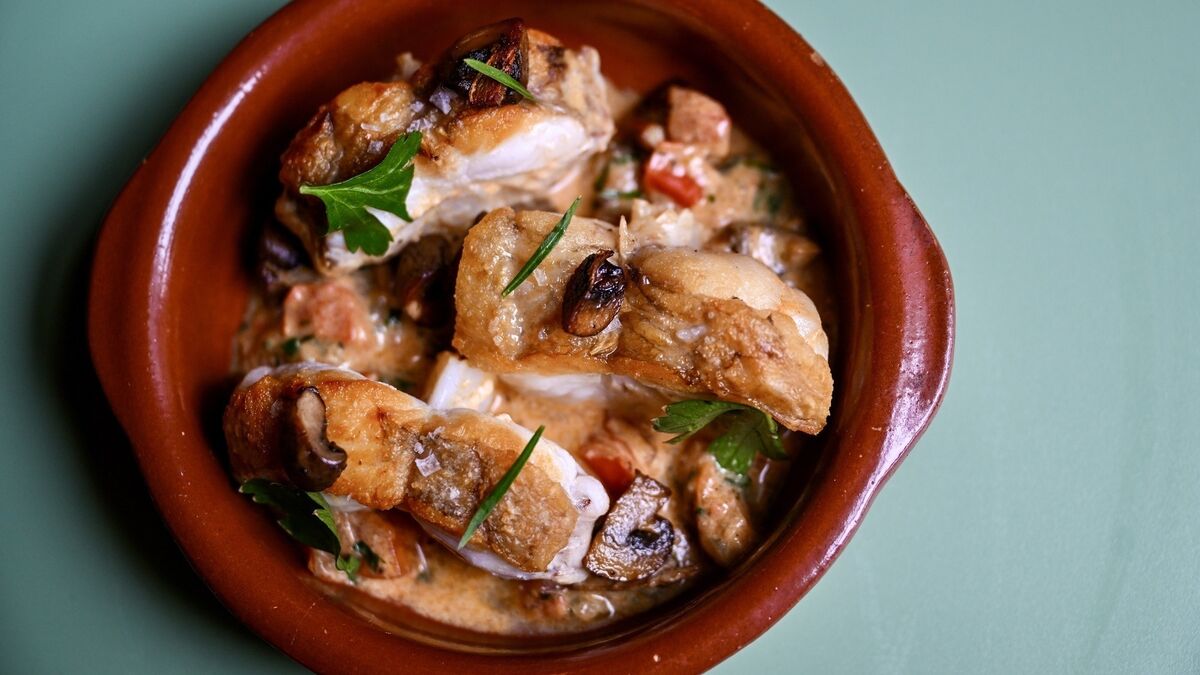
Here I’m using thick chunks of monkfish cut across the tail bone which produce a sauce with real gusto and a dish with striking presentation. Picture: Chani Anderson

I spend hours every week making sure portions of fish are free from bones, oysters are without shell fragments and mussels are without grit. The undesirable bone that ended up in your dinner when you were five might have ruined your future self enjoying the delicious food sources that surround our island country.
Monkfish Chasseur
This recipe will work just as well with filleted fish, such as chunks of pollock, cod, ling and hake. Just reduce the time needed in the poaching stage.
Servings
4Preparation Time
10 minsCooking Time
20 minsTotal Time
30 minsCourse
MainIngredients
Monkfish tail, skinned 680g whole tail or 170g per portion cut into 2 inch chunks
4 tbsp rapeseed oil
1 onion, diced
4 cloves garlic, minced
1 sprig of thyme
1 bay leaf
1 tbsp plain flour
150ml white wine
200ml fish stock
100g crème fraîche
250g chestnut mushrooms, quartered
3 medium-sized tomatoes, diced
2 sprigs tarragon, chopped
2 sprigs parsley, chopped
1 lemon
¼ tsp cracked black pepper
Sea salt
Method
Preheat a large pot or Dutch oven on medium high heat.
Season the monkfish pieces well with fine sea salt. Add 2 tbsp of the rapeseed oil to the pot followed by the monkfish.
Allow to sear on one side undisturbed for three minutes until golden brown. Remove from the pot and set aside.
The monkfish will be returned to the pot to finish cooking at the end of the process.
Reduce the heat in the pot to medium low and add the onion, garlic, thyme and bay leaf. Sweat for three minutes.
Add the plain flour to the pan and mix to coat the onions with a wooden spoon.
Add the white wine to the pot to deglaze and bring to the boil. Reduce by two-thirds. Add the fish stock to the pot and bring to the boil. Reduce to a simmer for three minutes.
Add the crème fraiche and mix well. Return the monkfish pieces to the pot and allow to poach in the liquid for 8-10 minutes on a low simmer.
While the monkfish is poaching, heat a frying pan on medium high heat and cook the mushrooms in the other 2 tbsp of rapeseed oil. Cook until well caramelised and season with black pepper and sea salt.
Add the caramelised mushrooms and chopped tomato to the now cooked monkfish and warm through.
Finish with the chopped herbs and a squeeze of lemon juice.
Serve with steamed rice or roast potatoes.
When pan frying fish preheat the pan for approximately 1.5-2 minutes on a medium heat depending on your appliance. This will provide you with a cooking surface with even heat distribution.
Avoid overcrowding the pan, each addition to a cooking surface reduces the temperature of the pan. Overcrowding also causes the products in the pan to steam, creating undesirable water.
Use some kitchen towel to pat the fish dry before cooking. Ensuring the fish you are cooking is free from excess moisture is key when pan frying.
Ask your fishmonger to prepare the monkfish skinned and cut into two-inch chunks on or off the bone.